

Rideshare Accidents | Duluth, Georgia
Hurt in an Uber or Lyft Crash? Talk With a Lawyer About Your Catastrophic Injury.
Slam Dunk Attorney represents people seriously hurt in rideshare accidents across metro Atlanta and Georgia, including spinal cord injuries, traumatic brain injuries, amputations, severe burns and wrongful death.
By Peter F. Jaraysi · Published October 27, 2026
A rideshare accident catastrophic injury lawyer in Georgia helps people seek compensation after serious harm caused by a driver using the Uber or Lyft app. In Georgia, the insurance that applies can change during a single trip, based on the driver’s app status. Slam Dunk Attorney represents people hurt in these crashes across Georgia, from its office in Duluth. This guide explains how these claims work, which deadlines matter, and what to expect.
What a Rideshare Catastrophic Injury Claim Is and Who It Is For
A rideshare catastrophic injury claim seeks compensation when a serious crash involving an Uber or Lyft driver causes lasting harm. Georgia law defines a ride share driver as someone who uses a personal passenger car to give rides arranged through a ride share network service (O.C.G.A. § 40-1-190).
Catastrophic injuries change a person’s life for the long term. Common examples include:
- Spinal cord injury and paralysis. MedlinePlus on paralysis describes paralysis as loss of muscle function, which can result from spinal cord injuries.
- Traumatic brain injury. The Brain Trauma Foundation notes these injuries can range from mild to catastrophic.
- Amputation and severe burns.
This page is for people who were hurt or lost a loved one in these crashes. That includes passengers, drivers, pedestrians, other motorists, and families. Our Duluth office serves Atlanta, Lawrenceville, Johns Creek, Alpharetta, Marietta, Norcross, Kennesaw, Dunwoody, and the rest of Georgia.
If a crash with an Uber or Lyft driver left you or a family member seriously hurt, our team can review which insurance may apply. Request your free, confidential consultation today. Talk it through with our team — the first consultation is free, confidential, and carries no obligation.
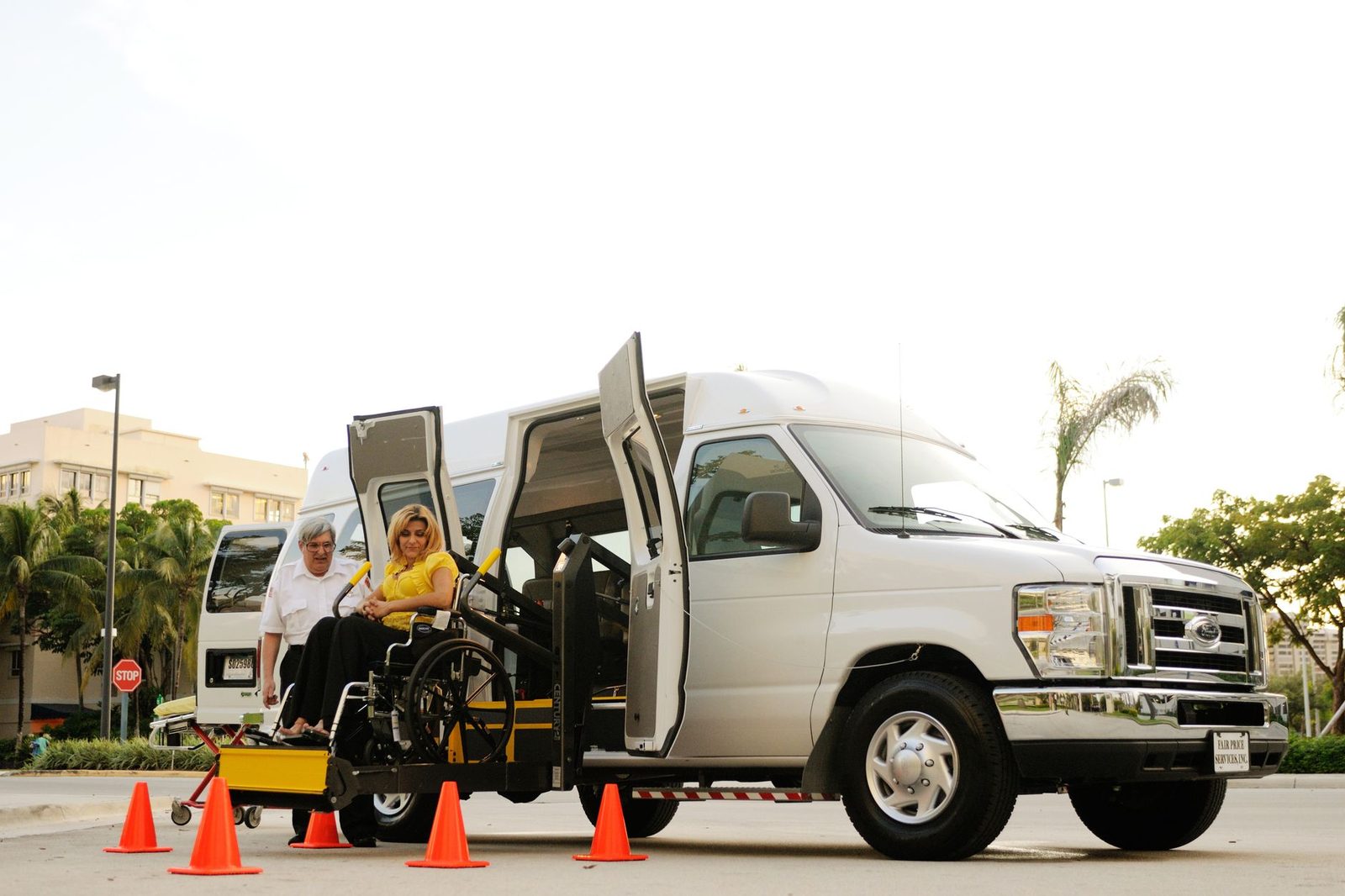
Why Uber and Lyft Crashes Involve More Than One Insurance Policy
Georgia’s rideshare insurance law ties coverage to the driver’s app status. More than one policy can apply to the same crash. The statute, O.C.G.A. § 33-1-24, sets required coverage for defined periods.
- Logged on and available. Personal auto insurers may exclude losses that happen while a driver is logged on.
- Logged on. The statute ties certain insurance requirements to defined time periods, including the period a driver is logged on to a transportation network company’s digital network and available to accept a ride request (O.C.G.A. § 33-1-24). One tier requires at least $100,000 for all people injured in one accident, with no more than $50,000 for one person. The other tier requires at least $1 million per occurrence, plus uninsured and underinsured motorist coverage, from the time a driver accepts a ride request until the driver completes the transaction or the ride is complete, whichever is later.
The rideshare company’s coverage does not wait for the personal insurer to deny a claim first. For claims coverage investigation, and upon the personal insurer’s request, the company must provide within 15 days the date and times of an accident involving its driver and the precise times in the 12 hours preceding and following the accident that the driver logged on and off. Those times can shape which policy responds.
Types of Injuries and Losses a Claim Can Cover
A claim can seek money for medical care, lost income, future needs, and the human losses that follow a serious injury. The amount depends on the facts of the crash, the injury, and the available insurance. Nothing on this page promises an amount.
- Medical expenses. Georgia limits these to the reasonable value of medically necessary care (O.C.G.A. § 51-12-1.1). Medical expenses. Evidence can include both billed charges and the amounts insurance would actually pay. If the plaintiff has any form of public or private health insurance, evidence must include both the amounts charged and the amounts actually necessary to satisfy those charges under the insurance contract or government program (O.C.G.A. § 51-12-1.1).
- Future care and lost earnings. A jury or judge may reduce future losses to present value, using a 5 percent rate or another rate it finds right (O.C.G.A. § 51-12-13).
- Pain and suffering. Losses like pain and loss of enjoyment of life are part of an injury claim.
- Wrongful death. A surviving spouse, or children if there is no spouse, may recover the full value of the decedent’s life, as shown by evidence (O.C.G.A. § 51-4-2). When death results from a crime or from criminal or other negligence, the personal representative may also recover funeral, medical, and other necessary expenses (O.C.G.A. § 51-4-5).
How a Rideshare Catastrophic Injury Claim Works, Step by Step
The process starts with a free, confidential consultation. It then moves through evidence, insurance review, medical proof, and negotiation or a lawsuit.
- Free consultation. We review the crash, your injuries, and any app details you know. The consultation is free and confidential, with no obligation to continue.
- Preserve evidence. We request app and trip records, the police report, dashcam video, witness contacts, and vehicle records. Video and app data can be overwritten or lost.
- Identify every policy. We review the driver’s personal policy and any rideshare company coverage for the app period.
- Document medical care. We gather records and coordinate with treating doctors. Future care needs are documented where needed.
- Demand and negotiate. We present the claim to insurers. If a fair resolution is not reached, a lawsuit may be filed.
Catastrophic cases often take many months, and sometimes longer. Value is usually clearer once treatment and prognosis are known. Court costs and case expenses may still be owed by the client.
Deadlines and Why Timing Matters in Georgia
Georgia generally requires an injury lawsuit to be filed within two years after the claim arises. Loss of consortium claims have four years (O.C.G.A. § 9-3-33).
- Injury claims: two years.
- Loss of consortium: four years.
- Wrongful death: has its own time limits, so families should act early.
- Claims against the state: a written notice of claim may be due within 12 months of when the loss was discovered or should have been discovered (O.C.G.A. § 50-21-26).
If the injured person’s own share of fault is 50 percent or more, nothing is recovered (O.C.G.A. § 51-12-33). Each liable party pays its own share, not a shared total. App data, video, and vehicle condition can be lost, so early review helps protect them.
Why Work With Slam Dunk Attorney
Slam Dunk Attorney is a Duluth-based firm that handles car, truck, motorcycle, pedestrian, rideshare, dog bite, premises liability, negligent security, nursing home abuse, wrongful death, and catastrophic injury claims across Georgia.
- Responsible lawyer for this page: Peter F. Jaraysi. Brian D. Wright is also among our lawyers.
- Records support: Our team helps gather app and trip records, police reports, and medical records.
- Coordination: Our team works with medical providers and insurers, so you can focus on your recovery.
- Related practice: We also handle spinal cord injury and traumatic brain injury claims.
If you are considering a rideshare accident catastrophic injury lawyer in Georgia, ask how we would approach your facts during your free consultation.
Not sure what your next step is?
Talk it through with our team — the first consultation is free, confidential, and carries no obligation.
Common Questions About Rideshare Crash Claims in Georgia
Can I sue Uber or Lyft directly?
Georgia law limits when a ride share network service can be liable for a driver’s operation, if certain conditions are met (O.C.G.A. § 40-1-201). Claims often involve the driver and insurers.
What if I was a passenger in a car a rideshare driver hit?
You may have a claim against the rideshare driver and insurers.
Do I pay anything at the first meeting?
You do not. The initial consultation is free and confidential, with no obligation to continue.
What if I was partly at fault?
Your recovery is reduced by your share of fault, and it ends at 50 percent or more (O.C.G.A. § 51-12-33; Quynn v. Hulsey (2020)).
How is a wrongful death claim different?
A spouse, children, or the personal representative may bring it, not the injured person.
Talk With Our Team About Your Rideshare Crash
If a crash with an Uber or Lyft driver left you or someone you love seriously hurt, you may have questions about which insurance applies. Our team can review those questions with you before you decide anything. Request your free, confidential consultation through our contact page. Share the crash date, the app status if you know it, your injuries, and your current treatment.
Attorney advertising. Slam Dunk Attorney, Duluth, Georgia. Responsible lawyer: Peter F. Jaraysi. This page is general information, and nothing on it promises any result.
How We Can Help After a Rideshare Crash
Reviewing the Trip Details
We look at the app records, trip timing, driver status and insurance information that may apply to your rideshare accident.
Identifying Every Potential Source of Coverage
Rideshare claims can involve the driver, the rideshare company and several insurers. We work to identify each party that may be responsible.
Focusing on Catastrophic Injuries
Our attention goes to serious, long-term harm, including paralysis, brain injuries, amputations and burns, and the medical and daily-life needs that follow.
Supporting Families
When a rideshare crash causes a death, we help surviving family members understand their options during an extremely difficult time.
Protect Your Evidence Early
Save screenshots of your ride request, receipts, route information and any messages from the app. Photograph your injuries and the scene if you can, and write down what you remember while it is fresh. Be careful about giving recorded statements to insurance companies before you have spoken with a lawyer.
Who Can Be Involved in a Rideshare Accident
Rideshare Passengers
If you were riding in an Uber or Lyft when the crash happened, your injuries still matter, and your situation deserves a careful review.
Other Drivers and Passengers
If a rideshare driver hit your car, truck or motorcycle, the other vehicle's occupants may have injuries that need to be addressed.
Pedestrians and Cyclists
People struck by a rideshare vehicle on a street, in a parking area or at a crosswalk can face serious injuries and long recoveries.
Families of Those Who Died
When a rideshare crash leads to a wrongful death, the surviving family may need guidance on the legal process and the questions ahead.