

Catastrophic Injury Cases | Duluth, Georgia
Understanding Trial in a Catastrophic Injury Case
A serious injury can change every part of daily life. Here is a plain-language look at what the process can involve if a case is heard in court.
By Peter F. Jaraysi · Published November 14, 2026
What Happens If a Catastrophic Injury Case Goes to Trial in Georgia
What happens if a catastrophic injury case goes to trial in Georgia? A judge or jury hears both sides. They then decide who is responsible and what the injured person is owed. Many cases end before that point, through a settlement or a dismissal.
This guide walks through the process in plain language. It covers deadlines, fault rules, and the evidence that matters most when injuries are severe and long-lasting. Our firm is based in Duluth, Georgia, and serves people across metro Atlanta and the state.
Not sure what your next step is?
Talk it through with our team — the first consultation is free, confidential, and carries no obligation.
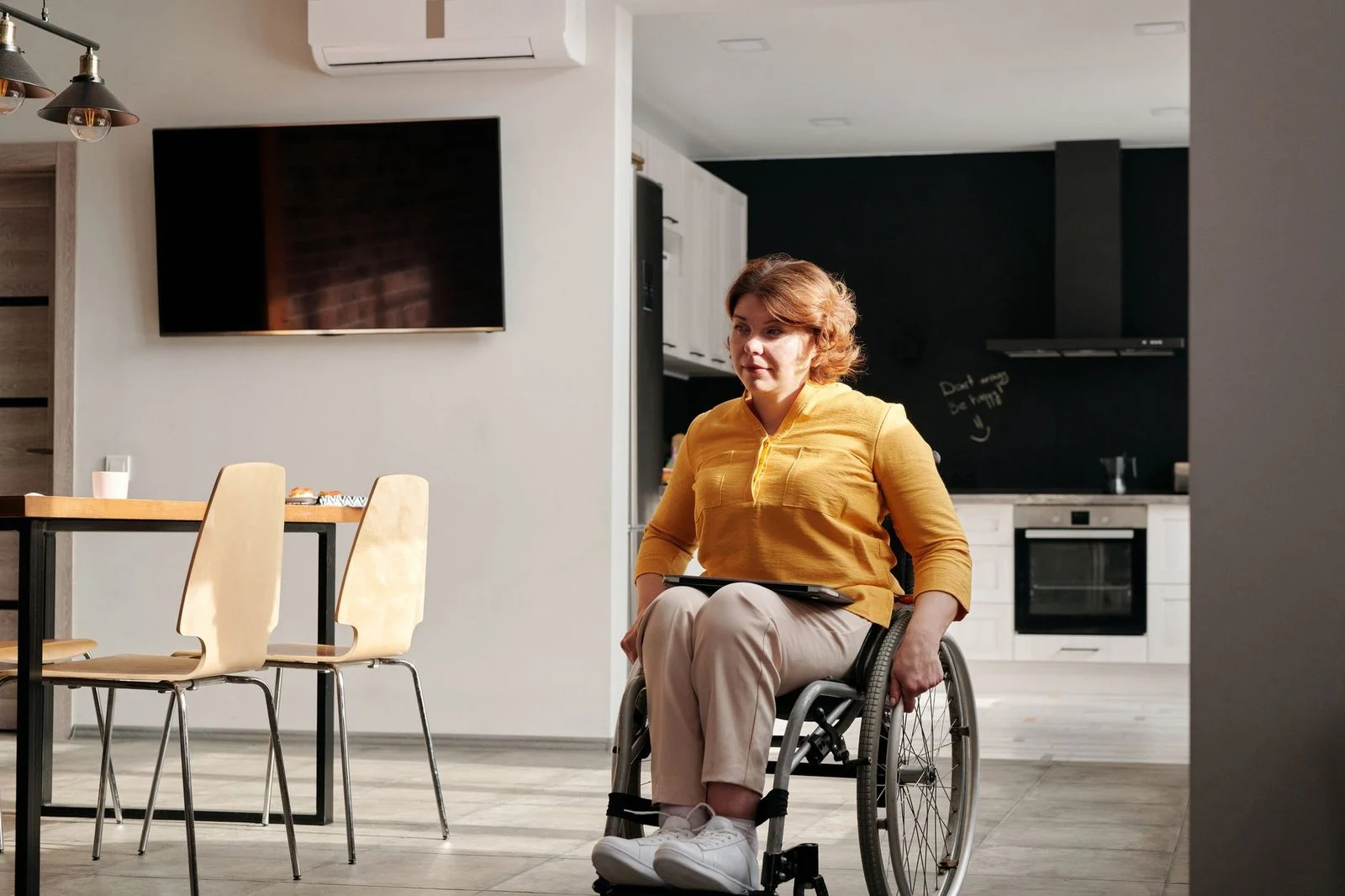
What Happens at a Catastrophic Injury Trial in Georgia
A civil trial is a court hearing where a judge or jury decides an injury claim. Both sides present evidence and arguments before the decision is made. Catastrophic injuries include spinal cord injury and paralysis, traumatic brain injury, amputation, and severe burns. MedlinePlus explains that paralysis is a loss of muscle function and can result from catastrophic injuries such as spinal cord injuries. The Brain Trauma Foundation notes that brain injuries can range from mild to catastrophic and may lead to coma, death, or serious ongoing health problems.
Trial is one possible path, not the default. Many civil claims settle or get dismissed before a jury is ever seated. Catastrophic cases often take more preparation. The medical records are long. Future care needs must be estimated. Lost earning capacity has to be measured. For the injury types covered here, see catastrophic injury claims.
What Happens Before a Catastrophic Injury Case Reaches Trial
The general deadline for most Georgia injury claims is two years. Under O.C.G.A. § 9-3-33, the clock runs from the time the right of action accrues. Claims for loss of consortium have a four-year deadline under the same section. Wrongful death claims follow their own timing, so the date should be reviewed early.
A case starts when a complaint is filed in the proper Georgia court. Once it is filed, the defendants must be served with it. Service is how the defendants formally learn that the case exists.
Discovery comes next. Each side asks written questions, requests documents, and takes depositions, which are sworn testimony given outside the courtroom. In catastrophic cases, records requests reach hospitals, rehabilitation providers, and employers. This stage often shows how much of the case is clear before trial.
Pretrial motions ask the judge to narrow the issues or keep certain evidence from the jury.
Jury Selection, Opening Statements, and the Presentation of Evidence
Jury selection, called voir dire, is when the judge and lawyers question possible jurors. They look for bias before a panel is seated. The goal is a group that can weigh the evidence fairly, including views about injuries, insurance, and money damages.
Opening statements outline each side’s account of what happened. They also preview what the evidence will show. Then the plaintiff presents the case. That can include testimony from the injured person or family, eyewitnesses, photographs, and proof of what the defendant did.
Medical testimony is often central. Treating doctors explain the injury. Other medical witnesses may address future care, imaging, and rehabilitation findings. Under O.C.G.A. § 51-12-1.1, medical expenses are limited to the reasonable value of medically necessary care. Either side may challenge whether a bill is reasonable or a treatment was necessary.
Lawyers also face limits in closing arguments. Under O.C.G.A. § 9-10-184, in the trial of an action for bodily injury or wrongful death, counsel generally cannot argue a dollar value for pain and suffering. Under O.C.G.A. § 9-10-184(c)(1), counsel for any party may argue the worth or monetary value of noneconomic damages only after the close of evidence and at the time of that party’s first opportunity to argue the issue of damages. That argument must be rationally related to the evidence of noneconomic damages. It may not refer to objects or values having no rational connection to the facts proved by the evidence. Under O.C.G.A. § 9-10-184(c)(2), if counsel is entitled to the opening and concluding arguments, counsel may not argue the worth or monetary value of noneconomic damages in the concluding argument unless counsel argued that worth or monetary value in the opening argument. Counsel also may not argue a different worth or monetary value in the concluding arguments than was argued in the opening argument. Where counsel makes statements of prejudicial matters not in evidence in the hearing of the jury, O.C.G.A. § 9-10-185 provides that it is the duty of the court to interpose and prevent them.
How Georgia Juries Consider Fault and Damages
Under Georgia’s modified comparative fault rule, a plaintiff who is 50 percent or more responsible cannot recover any damages. Under O.C.G.A. § 51-12-33, the judge reduces the amount of damages otherwise awarded to the plaintiff in proportion to the plaintiff’s percentage of fault. The jury decides the percentage, and the judge applies it, under O.C.G.A. § 51-12-33.
When more than one party is at fault, each liable person pays only its own share. The same statute says these shares are not joint liability. The jury also considers the fault of nonparties who contributed to the injury. A nonparty’s fault is considered if a defending party gives notice, by filing a pleading in the action designating the nonparty, not later than 120 days before trial that the nonparty was wholly or partially at fault, or if the plaintiff entered into a settlement agreement with that nonparty.
Damages come in two types. The trier of fact determines the total amount of damages to be awarded, if any. It also determines the plaintiff’s percentage of fault. The judge then reduces the award in proportion to that fault under O.C.G.A. § 51-12-33. Special damages must be proved, as O.C.G.A. § 51-12-2 explains. Future losses can be reduced to present value using a discount rate, under O.C.G.A. § 51-12-13. Future economic losses, such as future medical expenses, living expenses, lost wages, or other economic damages, may be reduced to present value using a discount rate under O.C.G.A. § 51-12-13.
The Verdict, Judgment, and Post-Trial Steps
After the evidence and closing arguments, the jury reaches a verdict. The judge then enters a judgment that reflects it. The verdict answers the questions the jury was asked, including fault and the amount of damages.
Post-trial motions let a party ask the judge to revisit the verdict or the amount awarded. These motions can change the result, so both sides usually watch them closely. An appeal asks a higher court to review the trial for legal mistakes.
A verdict does not always end a case right away. Post-trial motions and appeals can extend the timeline. When weighing trial against settlement, plan for that added time.
Not sure what your next step is?
Talk it through with our team — the first consultation is free, confidential, and carries no obligation.
Why a Trial Is Hard to Predict From Someone Else’s Case
Each catastrophic injury case turns on its own facts. A similar injury or a past verdict cannot tell you how your case would end. The cause of the crash or incident matters. So do the medical picture, the available evidence, and the people who must testify.
Recovery is also hard to predict early. A spinal cord injury recovery study looks at how function changes over time and which factors affect it. That uncertainty makes long-term damages harder to present.
Certain habits can hurt a claim. Missing treatment appointments can leave gaps in the medical record. Posting about the accident or your activities online can be used by the other side. Giving a recorded statement to an insurer without understanding it can also cause problems. Be ready to explain how the injury happened, your treatment history, your work history, and how daily life has changed.

Deciding Whether Litigation Fits Your Situation
Deciding whether to sue means choosing between settlement talks, filing a lawsuit, or preparing for trial. A family dealing with a spinal cord injury, a brain injury, an amputation, or a wrongful death may face that choice with a settlement offer on the table. A filing deadline may also be getting closer. The two-year rule and the 50 percent bar both shape how those options compare.
The outcome of any trial depends on the facts and on how a judge and jury weigh them. No one can forecast that result from the outside. Our first consultation is free, confidential, and carries no obligation to continue. Peter F. Jaraysi and the firm’s lawyers at Slam Dunk Attorney can review your situation with you. Contact our team for a free case review.
Common Questions
Injury to reputation has a one-year deadline and loss of consortium has a four-year deadline, under O.C.G.A. § 9-3-33. Wrongful death claims follow their own timing.
If you are 50 percent or more responsible, you cannot receive any damages, under O.C.G.A. § 51-12-33.
Do most injury cases go to trial?
Many civil cases end through settlement or dismissal before trial. Trial is one possible path.
Disclaimer: This page is general information, not legal advice, and it is attorney advertising. Responsible lawyer: Peter F. Jaraysi, Slam Dunk Attorney, Duluth, Georgia. Contact: Slam Dunk Attorney contact page.
How Our Team Approaches a Serious Injury Case
Clear explanations
We explain each stage of the process in plain language, so you know what to expect before making any decisions.
Careful preparation
Our attorneys gather medical records, reports and other evidence early, whether a case resolves through negotiation or heads toward trial.
Support for your family
We understand that catastrophic injuries affect spouses, children and caregivers too, and we keep those concerns in view.
Ongoing updates
Our team keeps you informed at every step and answers your questions as your case moves forward.
An Important Reminder
Many civil injury cases end through settlement or dismissal before trial. Trial is one possible path, not the only one. Every case is different, and no one can predict how a particular matter will turn out. Our first consultation is free, confidential and without obligation to continue.
What to Think About If Your Case Goes to Trial
Evidence and witnesses
Trial preparation often focuses on records, photographs, accident or incident reports, and testimony from medical providers and other witnesses.
The role of the judge and jury
A judge or jury hears both sides, reviews the evidence and makes the decisions that the court is asked to make.
Time and emotional strain
Trials can take months or longer and may require you to share painful details in front of others. We discuss these demands with you openly before moving forward.
Court costs and case expenses
Litigation can involve court fees, records charges and fees for outside professionals. Clients may be responsible for these costs and expenses, and we explain how they work before you decide anything.