

Catastrophic Injury Cases · Georgia
Letter of Protection After a Catastrophic Injury: A Plain-Language Guide
Serious injuries can bring large medical bills while you are still recovering. Here is how a letter of protection works in Georgia, what to ask before you sign, and how our team can help you understand your options.
By Peter F. Jaraysi · Published November 3, 2026
A letter of protection is a written promise from an injured person’s lawyer to a medical provider. The lawyer agrees that the provider will be paid from any settlement or judgment, so treatment can start without upfront payment. After a catastrophic injury, this letter often comes up early, when care is urgent and bills are growing. This guide explains how a letter of protection catastrophic injury Georgia claim may work, in plain language, and lists questions to ask before you sign.
What Is a Letter of Protection?
A letter of protection is a private agreement between a lawyer and a medical provider. The provider agrees to treat the injured person now, and the lawyer promises to pay the bill from any recovery in the case.
The injured person is usually the one who receives the care and the bill. The letter sits between the lawyer and the provider, so the injured person should still read it closely. Terms vary from one letter to the next.
Some people assume the letter wipes out the bill. It does not. It is a promise about payment from a recovery, and its wording decides what happens next. Treatment can begin because the provider holds a written promise, not because cash is in hand. Ask for a full copy before anyone signs.
If a letter of protection is in front of you after a serious injury, you don't have to weigh its terms alone, so talk with our team about your options. Talk it through with our team — the first consultation is free, confidential, and carries no obligation.
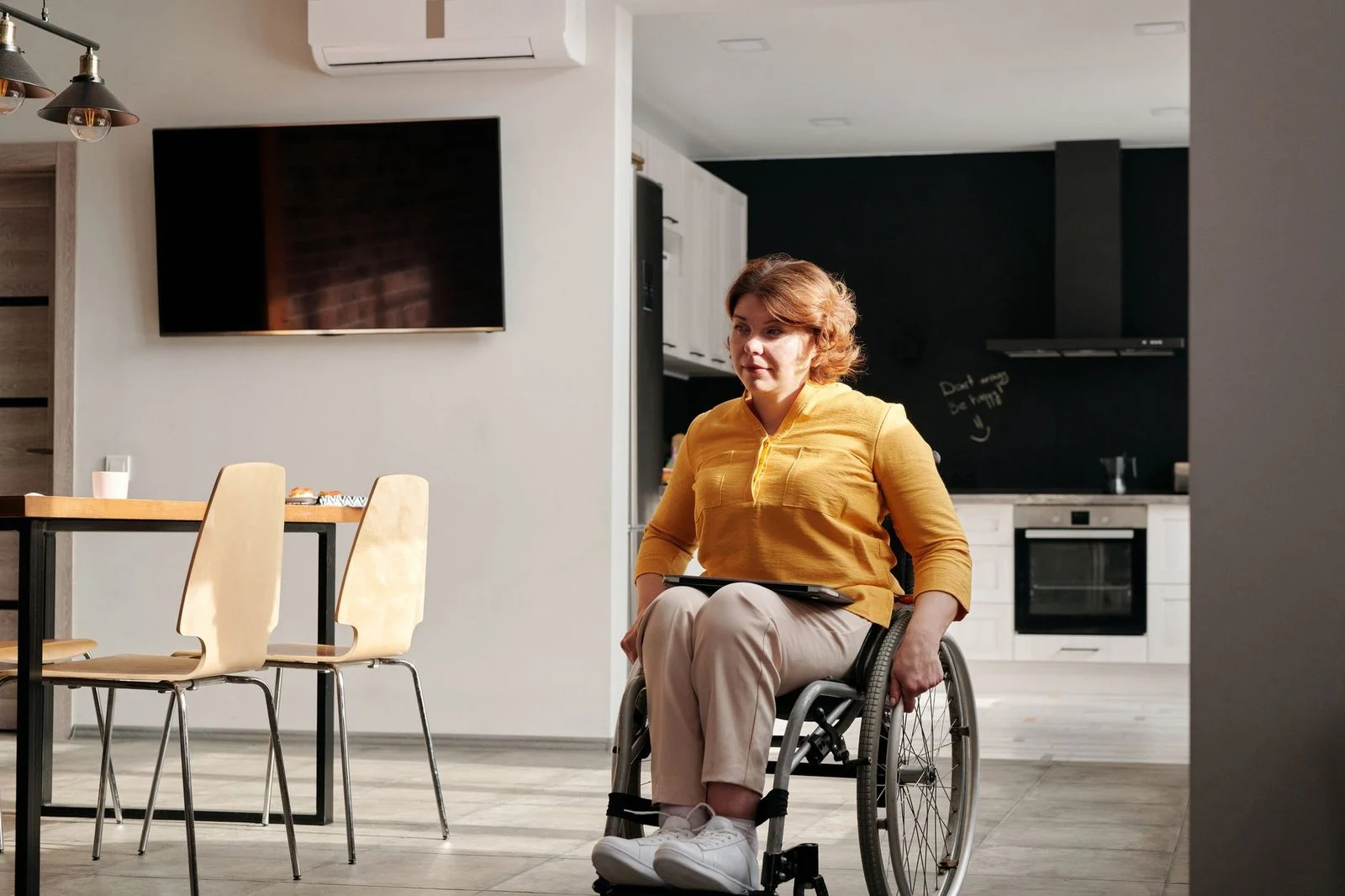
How a Letter of Protection Works After a Catastrophic Injury
Care after a catastrophic injury usually comes in stages. Emergency treatment, surgery, hospital stays and rehabilitation can all come before daily life settles. A letter of protection usually fits into that long run of care.
Traumatic brain injuries can range from mild to catastrophic and may require substantial medical care, according to the Brain Trauma Foundation. Paralysis is a loss of muscle function and can follow a spinal cord injury or a broken neck, according to MedlinePlus. Recovery after a traumatic spinal cord injury follows its own timelines, as research on natural recovery describes. That is one reason long-term medical needs are often assessed over time.
Because care can last a long time, a provider may ask for a letter before treating. The letter gives the provider a written promise to be paid from the claim. Treatment starts, the claim is investigated, and bills are paid from any recovery under the letter’s terms.
See O.C.G.A. § 51-12-1.1. See O.C.G.A. § 51-12-1.1. See O.C.G.A. § 51-12-1.1.
What Happens If There Is No Recovery?
In a letter of protection catastrophic injury Georgia claim, the client may still owe the medical bill if no recovery is made. The letter does not erase that debt. It is a promise tied to a recovery, so its terms decide what happens to the bill if the case brings in nothing.
Court costs and case expenses are a separate question. They may remain the client’s responsibility whether or not a recovery is made. Ask how your letter and your case agreement treat those costs before you sign.
Who pays what depends on the facts and the written terms. Read both documents closely. General summaries are no substitute for the signed paperwork in your hand.
Letter of Protection Versus a Medical Lien in Georgia
A letter of protection is a promise from a lawyer to a provider. A medical lien is a claim tied to money from the case. The two can look alike on a bill, and both can affect what you receive.
A provider may use a letter, a lien, or both. The name printed on a bill does not tell you its legal basis. Ask the provider and your lawyer which one applies to each bill, and ask for the answer in writing.
Why it matters: each one can change how money from a settlement is divided. Keep every written answer with your medical records. Those papers become your reference when bills come due.
Other Bills That Can Compete for a Recovery
Health insurance can change how medical bills are proven in a Georgia injury case. Under O.C.G.A. § 51-12-1.1, medical damages are limited to the reasonable value of medically necessary care. The trier of fact decides that amount.
If you have public or private health insurance, the evidence includes both the amounts charged and the amounts actually necessary to satisfy those charges. That holds even if the insurance is not used. Special damages are those which actually flow from a tortious act; they must be proved in order to be recovered under O.C.G.A. § 51-12-2.
Keep a complete list of every provider, letter, lien and payer tied to the injury. Ask whether a health plan has already paid bills related to the injury. Those payments are part of the picture when the bills are sorted out.
Questions to Ask Before Signing a Letter of Protection
Before you sign, ask who is making the promise, how the bill is figured, and what happens if no recovery is made.
- Who signs the letter, and does the lawyer personally promise payment from the recovery?
- How is the provider’s bill calculated, and will the provider accept a reduced amount if asked?
- What happens to the bill if no recovery is made?
- Are court costs and case expenses owed, and in what order are they paid from a recovery?
- Does the letter cover future treatment, and how are later bills handled?
- Can you get a complete copy of every document before you sign?
Quick Answers
How does a letter of protection catastrophic injury Georgia case usually work?
The provider treats the injured person now, and the lawyer promises payment from any recovery. The letter’s written terms set the details.
Does a letter of protection mean I don’t owe my medical bills?
No. It is a promise tied to a recovery, and it does not erase the bill. Check the terms for what happens if no recovery is made.
Who pays court costs in a Georgia injury claim?
Court costs and case expenses may remain the client’s responsibility, whether or not a recovery is made. Ask how your agreement handles them.
Not sure what your next step is?
Talk it through with our team — the first consultation is free, confidential, and carries no obligation.
Planning Ahead After a Catastrophic Injury in Georgia
A letter of protection is one of several ways medical bills get handled after a serious injury. Health insurance, out-of-pocket payment and liens can also play a part. Each one can change the final picture.
Fault also matters in a Georgia claim. Under O.C.G.A. § 51-12-33, damages are reduced in proportion to the injured person’s share of fault. A plaintiff who is 50 percent or more responsible for the injury may not receive damages.
Our guide to catastrophic injuries in Georgia covers the wider picture, including spinal cord injury, paralysis, traumatic brain injury, amputation and severe burns. Families facing a wrongful death claim also face bills and paperwork, and the same questions apply.
The firm represents people across metro Atlanta and Georgia, including residents of Atlanta, Lawrenceville and Johns Creek. Our office is in Duluth, Georgia.

Talk With Our Team About Your Medical Bills and Your Options
If a letter of protection or lien is in front of you now, you can talk it through with our team before you decide. You may be weighing these papers after a spinal cord injury, a brain injury or another serious injury, with bills still arriving.
You don’t have to sort out those documents alone. Our first consultation is free, confidential, and carries no obligation to continue. Peter F. Jaraysi is the responsible lawyer for this page. The firm’s lawyers, including Brian D. Wright, can review your specific letter and bills with you.
To start, visit our contact page. Slam Dunk Attorney is based in Duluth, Georgia. This page is attorney advertising.
What to Know Before You Sign
Read the written terms
A letter of protection is a written agreement. Its terms describe what the provider and the lawyer have agreed to, so review every line and ask about anything you do not understand.
Treatment can come first
Catastrophic injuries such as spinal cord injury, traumatic brain injury, amputation and severe burns often need long-term care. A letter of protection may allow a provider to treat you while your case is pending.
It does not erase the bill
The letter is tied to any recovery in your case. It does not make the medical bill disappear, and the provider's balance remains part of the picture.
Ask questions early
Our team will explain how these letters work in your situation during a free, confidential consultation, with no obligation to continue.
Ask About Costs in Writing
Medical bills, provider balances and case expenses can all affect what you ultimately receive. Before you agree to a letter of protection, ask for every cost and term in writing so you understand them fully.
Questions to Bring to Your Consultation
About the terms
What does the letter say about payment, timing and what happens if the case does not result in a recovery?
About your bills
Which providers are involved, what balances exist now, and how will those balances be tracked?
About case costs
What court costs and case expenses might apply, and who is responsible for each one?
About next steps
What documents should you gather, and what should you avoid signing until you have reviewed them?