
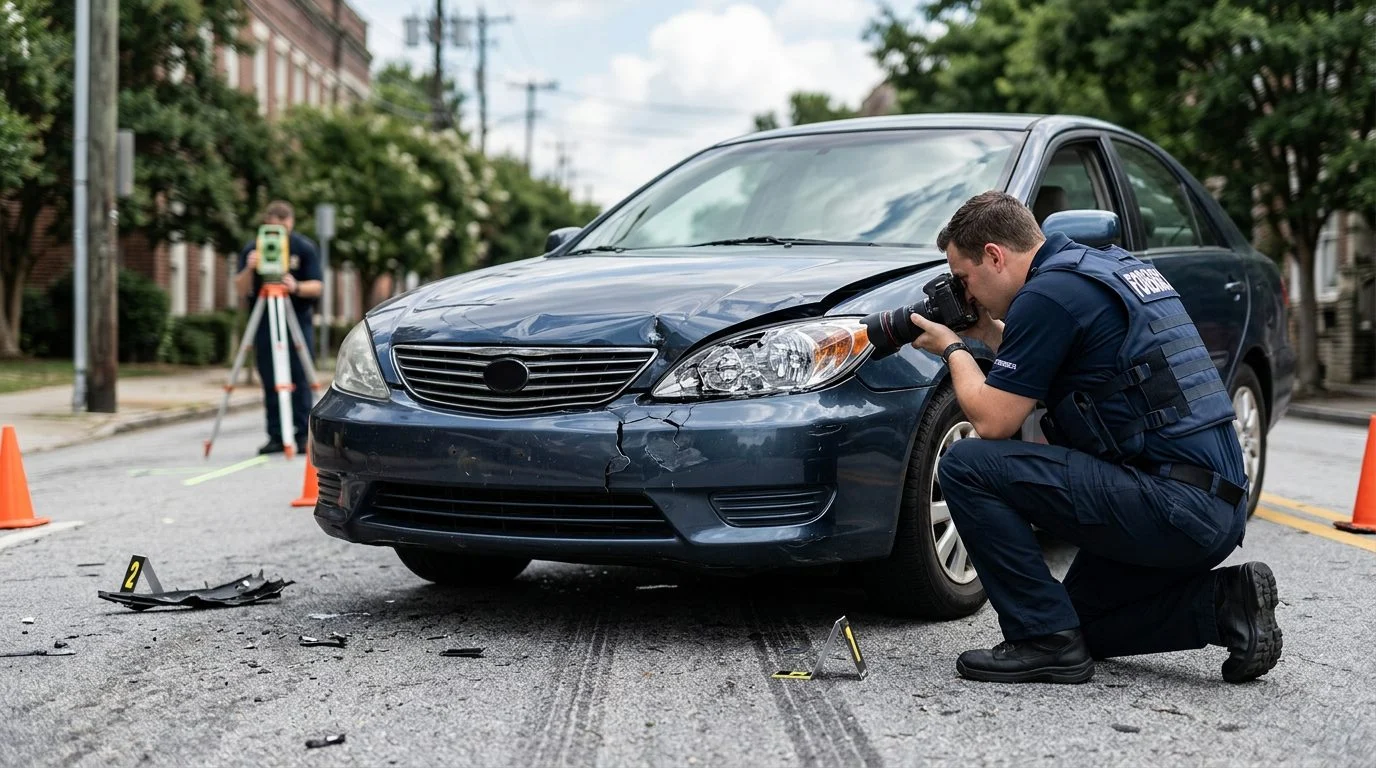
Rear-End Collision Lawyer
Hit from Behind? We Handle Your Rear-End Accident Claim
Rear-end collisions often cause serious injury. Slam Dunk Attorney fights to recover compensation for your medical bills, lost wages, and pain and suffering across Georgia.
By Peter F. Jaraysi · Published September 18, 2026
Rear-End Collision Lawyer in Georgia
A rear-end collision claim is a legal case brought by a driver or passenger hit from behind to recover damages for injuries, medical costs, lost wages, and vehicle damage. In Georgia, these cases are often straightforward because the rear driver typically bears legal responsibility—but that doesn’t mean the insurance company will offer fair compensation without skilled advocacy.
If you've been hit from behind and are dealing with injuries, vehicle damage, or insurance questions, people in your situation reach out to us regularly—and we're here to help you understand what comes next. Talk it through with our team — the first consultation is free, confidential, and carries no obligation.
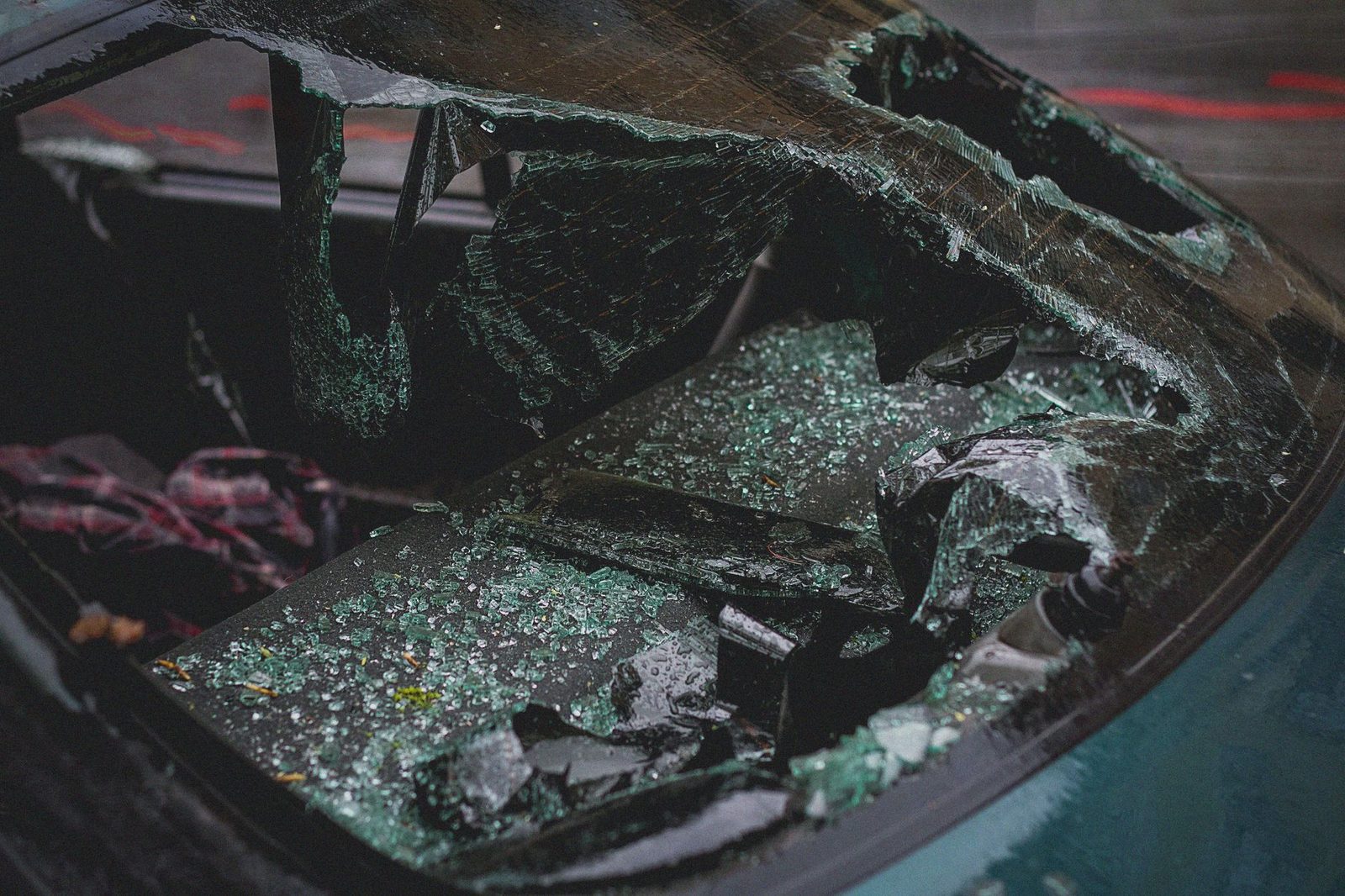
What Is a Rear-End Collision Claim?
A rear-end collision occurs when one vehicle strikes another from behind, usually at a traffic light, stop sign, or while traffic is slowing. The rear driver’s negligence is typically presumed because Georgia law requires all drivers to maintain a safe following distance and stay alert to road conditions.
Common causes include: – Distracted driving (texting, phone calls, eating) – Following too closely – Brake failure or mechanical problems – Poor visibility due to weather or darkness – Speeding or sudden stops
Why these cases are often straightforward: Georgia law places a clear duty on the rear driver to avoid hitting the vehicle ahead. Police reports, witness statements, and vehicle damage patterns usually make liability obvious. This clarity can speed up settlement negotiations—but only if you have strong legal representation to ensure the insurance company doesn’t minimize your injuries or offer less than you deserve.
Who We Represent in Rear-End Accidents
We represent drivers and passengers injured in rear-end collisions across Georgia, including metro Atlanta, Lawrenceville, Johns Creek, Alpharetta, Marietta, Norcross, Kennesaw, and Dunwoody.
Our clients include: – People with minor injuries (soft tissue, whiplash) to serious injuries (spinal damage, fractures, traumatic brain injury) – Drivers and passengers dealing with property damage and vehicle repair disputes – Individuals navigating insurance claims and settlement negotiations – Anyone unsure whether they have a case or what their claim is worth
What a Rear-End Collision Claim Covers
A successful rear-end collision claim can recover several categories of damages:
Medical expenses: – Emergency room and hospital care – Doctor visits and specialist consultations – Physical therapy and rehabilitation – Imaging (X-rays, MRI, CT scans) – Prescription medications and medical equipment
Lost wages: – Income lost while recovering from injuries – Time away for medical appointments and treatment – Reduced earning capacity if injuries prevent return to full-time work
Property damage: – Vehicle repair costs – Replacement value if the vehicle is totaled – Rental car expenses while repairs are underway
Pain and suffering: – Compensation for physical pain and discomfort – Emotional distress and anxiety – Loss of enjoyment of daily activities – Reduced quality of life during recovery
Future medical care: – Anticipated ongoing treatment related to the accident – Long-term therapy or specialist care
Permanent injury or disability: – Long-term impacts on work capacity – Chronic pain or reduced function – Permanent scarring or disfigurement
What is NOT typically covered: Punitive damages (extra money meant to punish the at-fault driver) are rare in Georgia rear-end cases unless the rear driver’s conduct was grossly negligent or intentional.
How the Rear-End Collision Claim Process Works
Understanding the steps helps you know what to expect and how long your case may take.
Step 1: Initial Consultation and Case Review We meet with you (by phone, video, or in person) to gather details about the accident, your injuries, insurance information, and any medical treatment you’ve received. This consultation is free and confidential. We explain your rights and options with no pressure or obligation.
Step 2: Investigation We obtain the police report, medical records, witness statements, and photos of vehicle damage. We may also review traffic camera footage, weather conditions, and the at-fault driver’s insurance policy limits. This evidence builds the foundation of your claim.
Step 3: Demand Letter We calculate your total damages (medical costs, lost wages, pain and suffering, and future care) and send a formal written demand to the at-fault driver’s insurance company. This letter explains why the rear driver is liable and why our damage calculation is fair.
Step 4: Negotiation We work directly with the insurance adjuster to reach a settlement. Most insurers accept liability quickly in rear-end cases, so negotiation typically focuses on the dollar amount. We push back on lowball offers and advocate for maximum compensation.
Step 5: Settlement or Litigation If the insurance company offers a fair settlement, we present it to you for approval. If settlement stalls or the offer is unreasonable, we prepare your case for court and file a lawsuit. We handle all legal filings, discovery, and trial preparation.
Timeline: Most rear-end claims settle within 3–6 months when liability is clear and injuries are well-documented. Complex cases, serious injuries, or disputed liability may take longer.
Your role: Attend all medical appointments, provide documentation (medical records, pay stubs, receipts), and stay in touch with our team. The more complete your medical record, the stronger your claim.
Why Liability Is Often Clear in Rear-End Accidents
Georgia law presumes the rear driver is at fault because they have a duty to maintain a safe following distance and avoid striking the vehicle ahead. This legal presumption is a major advantage in rear-end cases.
What makes liability straightforward: – Police reports typically document the rear driver’s negligence – Witness statements often corroborate the rear driver’s fault – Vehicle damage patterns show the impact came from behind – Insurance companies frequently accept liability without dispute – This clarity can lead to faster settlements
However, liability is not always 100% clear. If the front vehicle reversed suddenly, had broken brake lights, or pulled into traffic without warning, the rear driver may argue partial fault. Georgia’s comparative negligence law addresses this scenario (see below).
Not sure what your next step is?
Talk it through with our team — the first consultation is free, confidential, and carries no obligation.
Common Injuries from Rear-End Collisions
Rear-end collisions cause a range of injuries, from minor to severe. Understanding common injury types helps you recognize symptoms that may develop days or weeks after the accident.
Whiplash and neck strain: The most common injury in rear-end accidents. The sudden impact throws your head backward, then forward, straining neck muscles and ligaments. Symptoms (pain, stiffness, headaches) may not appear immediately.
Back injuries: Lumbar strain, disc herniation, or spinal cord damage. Serious back injuries can cause chronic pain and limit work capacity.
Headaches and migraines: Often linked to neck trauma or concussion. Post-accident headaches can persist for weeks or months.
Shoulder and arm pain: Radiating nerve pain or muscle injury from the impact or sudden deceleration.
Traumatic brain injury (TBI): In high-impact collisions, especially if your head strikes the headrest, steering wheel, or window. TBI symptoms include confusion, memory loss, dizziness, and mood changes.
Psychological injury: Anxiety, PTSD, or depression following the accident. These injuries are real and recoverable.
Why documentation matters: Medical records establish the link between the accident and your injuries. Seek treatment promptly, tell your doctor about the accident, and keep all medical records. This documentation is essential to proving your claim.
Insurance and Liability in Georgia Rear-End Cases
Georgia is an at-fault state, meaning the negligent driver’s insurance pays for damages to the injured party. Understanding how this system works protects you.
Comparative negligence: Under O.C.G.A. § 51-12-33, Georgia allows recovery even if you are partially at fault. However, your compensation is reduced by your percentage of fault. For example, if you are found 10% at fault and your claim is worth $10,000, you recover $9,000.
Uninsured and underinsured motorist coverage: If the at-fault driver has no insurance or insufficient liability limits, your own uninsured/underinsured motorist coverage may protect you. We can pursue a claim against your own policy.
Your own insurance: Your personal injury protection (PIP) or medical payments coverage may pay your medical expenses immediately, while we pursue the claim against the at-fault driver’s insurance. Collision coverage pays for vehicle damage.
Why you need a lawyer: Insurance adjusters are trained to minimize claims. They may argue that your injuries aren’t serious, that treatment was unnecessary, or that your damages are inflated. We counter these tactics with evidence, medical experience, and skilled negotiation.
What to Expect When You Work With Slam Dunk Attorney
We handle rear-end collision claims from start to finish. Here’s what our process looks like:
Free, confidential consultation: No obligation. We listen to your story, answer your questions, and explain your options.
Clear communication: We keep you informed at every stage. You’ll know what we’re doing and why.
Thorough investigation: We gather police reports, medical records, witness statements, and vehicle damage photos to build a strong case.
Skilled negotiation: We advocate for maximum compensation and push back on lowball offers.
Litigation readiness: If settlement stalls, we prepare your case for court. We handle all filings, discovery, and trial.
Transparent fees: We work on a contingency basis—you pay no upfront legal fees. You pay only if we recover compensation for you. However, you may still owe case costs (expert fees, court filing fees, etc.) depending on the outcome and your fee agreement. We discuss this clearly before you hire us.
Frequently Asked Questions
Q: Do I have a case if I was partially at fault?
Yes. Georgia’s comparative negligence law allows recovery even if you are partially responsible, though your award is reduced by your percentage of fault.
Q: How much is my rear-end accident worth?
Value depends on injury severity, medical costs, lost wages, and long-term impact. We evaluate each case individually based on evidence.
Q: What if the other driver has no insurance?
Your uninsured motorist coverage may apply. We can pursue a claim against your own policy.
Q: How long does a rear-end claim take?
Simple cases settle in 3–6 months. Complex injuries or disputed liability may take longer.
Q: Will my case go to trial?
Most rear-end cases settle. We pursue trial only if settlement is unreasonable and your case is strong.
Q: What if I didn’t go to the hospital immediately?
Delayed medical care can complicate your claim, but it doesn’t eliminate it. Seek treatment as soon as possible and tell your doctor about the accident.
Q: Can I still file a claim if the accident happened months ago?
Georgia’s statute of limitations for personal injury is two years from the date of injury, per O.C.G.A. § 9-3-33. We recommend acting quickly to preserve evidence and witness statements.
Q: Do I need a lawyer for a rear-end collision claim?
You’re not required to hire a lawyer, but insurance companies often offer less to unrepresented claimants. A lawyer levels the playing field and maximizes your recovery.

Why Choose Slam Dunk Attorney for Your Rear-End Collision Claim
Local experience: We’re based in Duluth, Georgia, with deep knowledge of metro Atlanta courts, insurance practices, and regional accident patterns.
Why Choose Slam Dunk Attorney for Your Rear-End Accident
Focused on Car Accident Claims
We focus exclusively on personal injury cases, including rear-end collisions. We understand Georgia law and how insurance companies evaluate these claims.
We Handle the Paperwork
From gathering police reports to negotiating with insurers, we manage every document and deadline so you can focus on recovery.
Direct Access to Your Attorney
You work with a real attorney who knows your case, not a call center. We're based in Duluth and serve the greater Atlanta area and Georgia.
No Fees Unless There's a Recovery
We work on a contingent fee basis—no fees unless there is a recovery. You may still owe certain case costs; we'll discuss this upfront.
What Happens After a Rear-End Collision
Seek Medical Attention
Even if you feel fine, get checked by a doctor. Some injuries appear hours or days later. Medical records are critical to your claim.
Report the Accident
Call police and file a report. Get the other driver's information, insurance details, and contact information from any witnesses.
Document Everything
Take photos of vehicle damage, the accident scene, and your injuries. Keep receipts for medical treatment, medications, and lost wages.
Contact Us for a Free Review
Call or request a consultation. We'll evaluate your case, explain your options, and guide you through the claims process.
Act Quickly
Georgia law imposes time limits on personal injury claims. The sooner you reach out, the sooner we can protect your rights and preserve evidence.
Common Questions About Rear-End Accidents
Do I have a case if I was partially at fault?
Yes. Georgia's comparative negligence law allows recovery even if you are partially responsible, though your award is reduced by your percentage of fault.
How is the value of my claim determined?
Value depends on injury severity, medical costs, lost wages, and long-term impact. We evaluate each case individually and work to build the strongest claim for fair compensation.
What if the other driver was uninsured?
You may have coverage under your own uninsured motorist policy. We'll review your policy and explore all available avenues for recovery.
How long does a rear-end accident case take?
Timeline varies. Some cases settle quickly; others require negotiation or litigation. We'll keep you informed every step of the way.
Ready to Move Forward?
Related practice areas
- Car Accidents
- Uninsured & Underinsured Motorist Claim Lawyer Georgia | Slam Dunk Attorney
- Truck Accident Lawyer Alpharetta GA | Slam Dunk Attorney
- Wrongful Death Dunwoody: Legal Guidance for Families