
Car Accidents | Duluth, Georgia and Metro Atlanta
Rear-End Crashes in Georgia: How Fault Is Assessed
A plain-language guide to Georgia's comparative fault system and the questions that may matter in your situation. This is general information, not legal advice.
By Peter F. Jaraysi · Published October 12, 2026
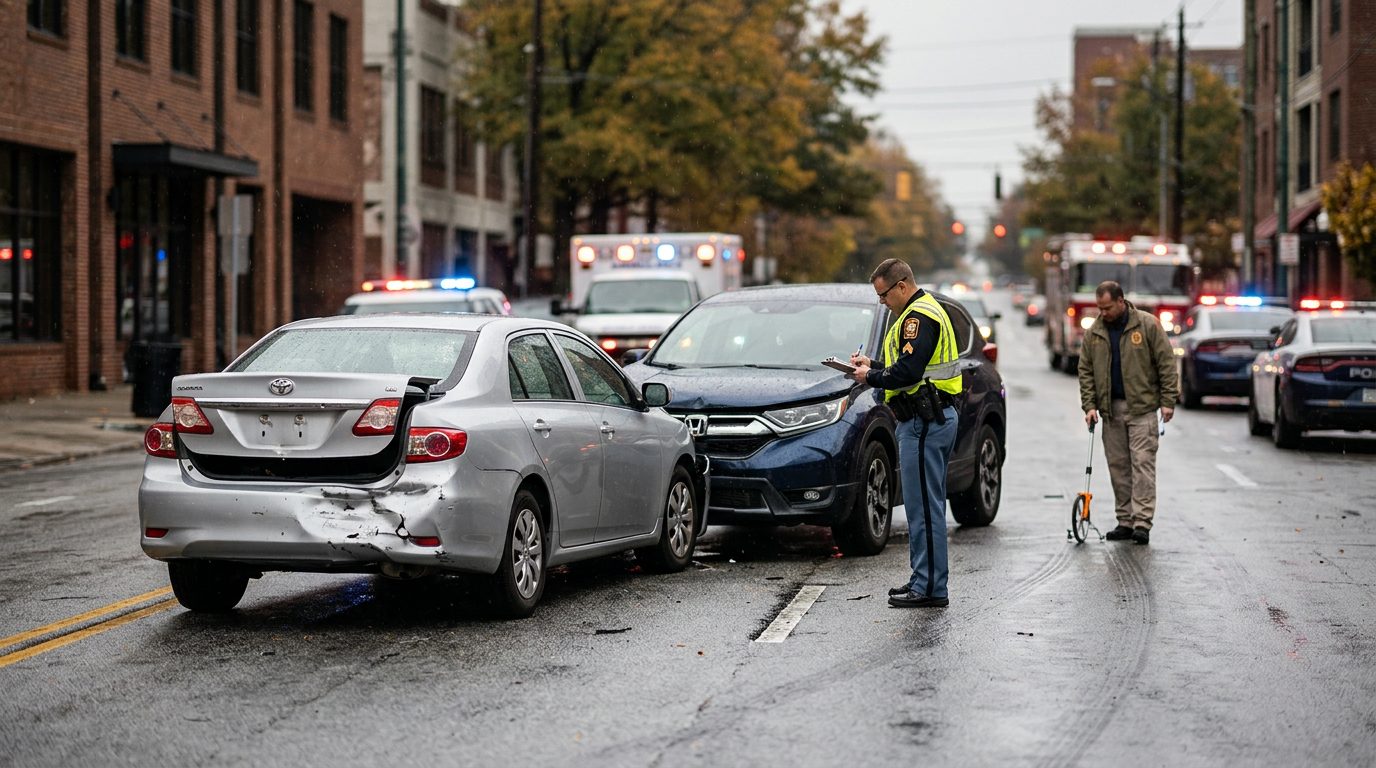
In Georgia, fault in a rear-end car accident depends on the facts of each crash. Many people assume the driver who hits from behind is always to blame. That is not a rule. Georgia uses a comparative fault system under O.C.G.A. § 51-12-33 (Quynn v. Hulsey, 310 Ga. 473 (2020)), so responsibility can be divided between drivers, depending on the facts of each case. That split can affect what a person may recover. This page explains the rear-end car accident Georgia fault question in plain terms. It is general information, not legal advice about your case.
The General Rule: Who Is at Fault in a Rear-End Accident?
Every rear-end collision has its own facts, and it is worth talking with a lawyer about yours. Fault is decided by looking at the facts.
Rear-end crashes are often described as the following driver’s mistake, and many people believe that. Still, fault may be assessed by insurers or a court based on several factors. These can include each car’s speed, the gap between them, and what the front driver did before stopping. Weather, road conditions, traffic signals, and what witnesses and photos show can also matter.
Because the facts drive the answer, two crashes that look alike can have different answers. Being in the rear does not settle the question on its own. If you were hit, or if you did the hitting, the specifics of your crash are what count. A qualified lawyer can review those details for your situation.
If you're sorting out a rear-end crash that left you hurt or blamed, you don't have to work through the fault questions alone. We're glad to talk through your situation. Talk it through with our team — the first consultation is free, confidential, and carries no obligation.
Following Distance: Why It Comes Up in Rear-End Disputes
Following distance is a common question in rear-end disputes. What counts as a safe gap depends on the facts.
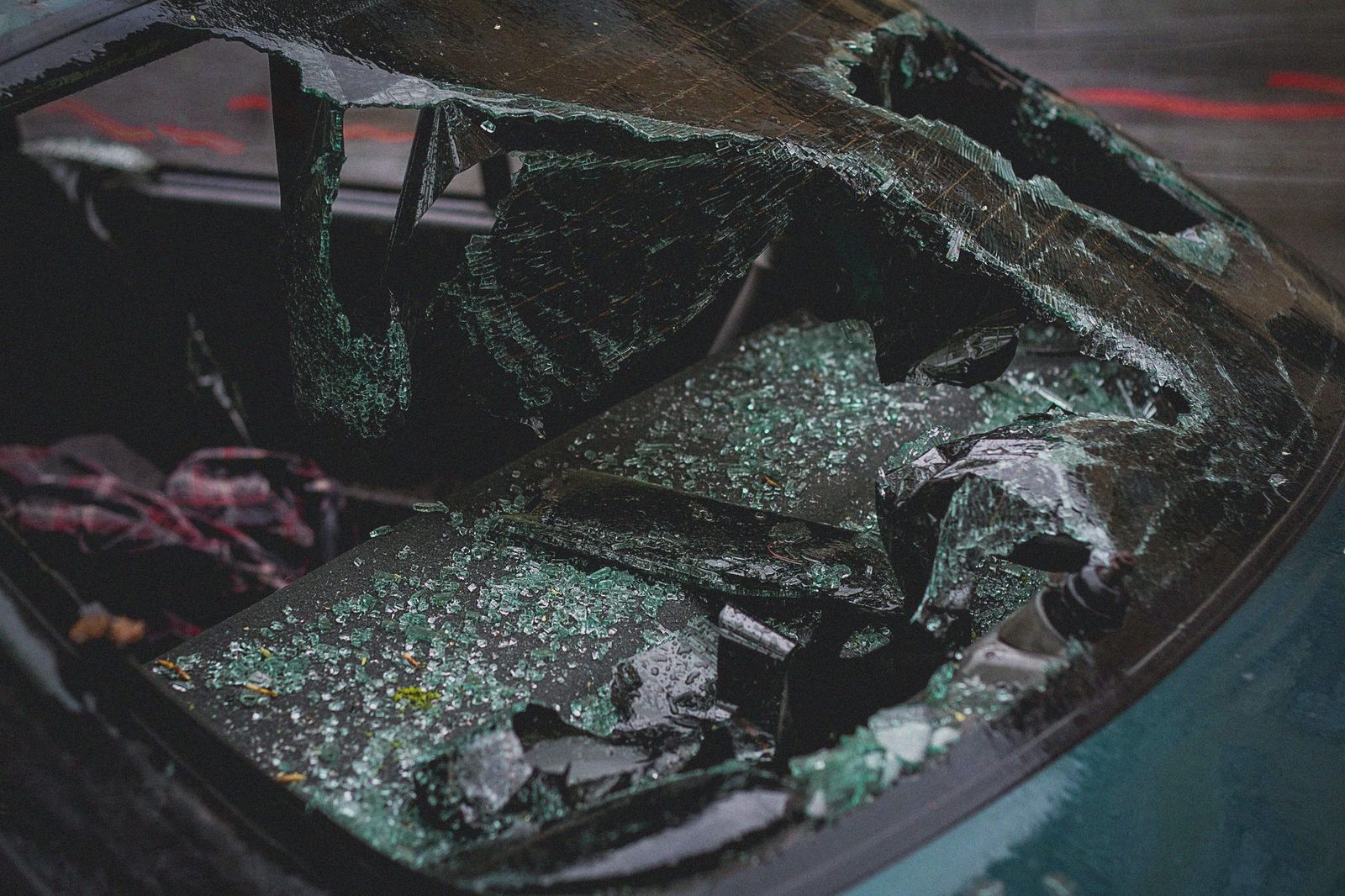
The space a driver keeps behind another car is often at the center of these disputes. A safe gap depends on several things. These include speed, weather, road conditions, and how well the following driver could see ahead. A sudden stop on a wet highway may call for more room than a stop on a dry street in daylight.
Two drivers may describe the same gap differently, and that is one reason the details matter. Following distance is one of many facts that may come up when people review how a crash happened. Photos, dash camera video, and witness accounts may show how the crash unfolded. What any single item shows depends on the particular case. The rear-end car accident Georgia fault picture is built from all of these pieces together. A qualified lawyer can explain how these questions may fit your situation.
Is It Ever Someone’s Fault If They Get Rear-Ended?
Yes. The actions of both drivers may be looked at when reviewing how a rear-end collision happened. These situations may be relevant:
- Sudden braking without a legitimate reason. Whether a stop was reasonable depends on what the front driver faced.
- Brake-checking. This means braking on purpose to cause a collision. This is one of the facts that may be reviewed when looking at how the crash happened.
- Brake lights that do not work. A following driver may have had no warning of the stop, which can affect how fault is viewed.
- Backing up. A vehicle moving in reverse is another situation that may be looked at when reviewing how a crash happened.
- Stopping illegally or in a hazardous spot. Where a car stopped can matter.
This list is not complete, and no single item decides a case. In a rear-end car accident, Georgia fault can end up split in many ways. Each detail needs a look at the full picture before anyone draws a conclusion.
Georgia’s Modified Comparative Negligence Rule
Georgia uses a modified comparative fault rule under O.C.G.A. § 51-12-33 (Quynn v. Hulsey, 310 Ga. 473 (2020)), so each driver’s percentage of fault may matter, depending on the facts of the case. Exceptions may apply, so it is wise to consult a lawyer about your own situation. Comparative negligence means shared fault.
Georgia’s comparative fault statute, O.C.G.A. § 51-12-33 (Quynn v. Hulsey, 310 Ga. 473 (2020)), generally provides that when the injured person (the plaintiff) is found partly responsible, the damages awarded are reduced in proportion to that person’s percentage of fault. How this applies depends on the facts of each case.
The same statute generally provides that a plaintiff found 50 percent or more responsible for the injury or damages claimed may not receive damages (O.C.G.A. § 51-12-33; Quynn v. Hulsey, 310 Ga. 473 (2020)). How fault is assigned depends on the facts, exceptions may apply, and you should consult a lawyer about your own case. This is often called the 50 percent bar.
Under these words, a driver found less than 50 percent at fault may still recover, with the award reduced by that share. Under O.C.G.A. § 51-12-33, a driver found 50 percent or more at fault generally may not recover damages, though this depends on the facts of each case and exceptions may apply, so it is wise to consult a lawyer about your own situation. These rules are fact-dependent, and exceptions may apply. How fault percentages are assigned depends on the facts of each crash. A qualified lawyer can help you understand what these numbers may mean for your own case.
Can Drivers Share the Blame for Rear-End Collisions?
Yes. Both drivers can carry part of the blame in the same crash. When that happens, the fault percentages are split between them.
Georgia’s comparative fault statute, O.C.G.A. § 51-12-33 (Quynn v. Hulsey, 310 Ga. 473 (2020)), generally directs that the fault of all persons or entities who contributed to the alleged injury or damages be considered, depending on the facts of the case. That can include people who are not named in a lawsuit.
Georgia also has a related rule on avoidable consequences, found in O.C.G.A. § 51-11-7. Whether and how it applies depends on the facts of each case, so consider consulting a lawyer about your situation. It says that if the injured person “by ordinary care could have avoided the consequences to himself caused by the defendant’s negligence, he is not entitled to recover.” The same section says that in other cases the defendant is not relieved, even if the plaintiff contributed to the injury. How these rules fit a crash depends on the facts, and exceptions may apply.
Shared fault may raise the question of whether Georgia’s comparative fault bar, described above, applies in some crashes. Whether it does depends on the percentages assigned in your case.
Common Injuries from Rear-End Accidents
Rear-end impacts can cause neck, back, shoulder, and head symptoms. Some symptoms may appear days or weeks later. People often describe these symptoms after a rear-end crash. Not every symptom shows up right away, and some may fade over time.
A medical provider is the right person to explain what a symptom means for a specific person. If you feel fine at first, tell your provider about any new pain, stiffness, or headache when it starts. Any head symptom, such as confusion or dizziness, should be checked by a medical provider promptly.
Medical records document the care you receive, when it was given, and what providers observed. They describe care only. They do not, by themselves, decide how a claim turns out. Keeping a simple log of appointments, symptoms, and missed work can help you track your care.
Not sure what your next step is?
Talk it through with our team — the first consultation is free, confidential, and carries no obligation.
What Damages Can You Recover in a Rear-End Accident Claim?
Damages may include medical costs, lost pay, vehicle damage, and pain and suffering, depending on the facts. Which items apply to you depends on your situation.
Under Georgia law, economic damages generally refer to pecuniary (financial) losses, though what may be recoverable depends on the facts of each case. These include past and future medical expenses and loss of wages. Noneconomic damages include physical or emotional pain, mental anguish, and loss of enjoyment of life.
Medical expense claims have limits under Georgia law. Georgia law, at O.C.G.A. § 51-12-1.1, generally addresses how special damages for medical expenses are measured, including the reasonable value of medically necessary care. How it applies depends on the facts of each case, so it is wise to consult a lawyer about your own situation.
Vehicle repair or replacement may be part of a claim, depending on the facts. If a rear-end crash results in a death, Georgia’s wrongful death statute, O.C.G.A. § 51-4-2, addresses who may bring a claim, and how it applies depends on the facts of each case. No specific recovery is promised for any category.
Steps to Take After a Rear-End Accident
After a rear-end crash, check for injuries first and call 911 if anyone is hurt. Then try to document what happened.
- Move to a safe spot if the cars can be moved safely.
- Call the police and get the report number.
- Exchange names, phone numbers, and insurance details with the other driver.
- Take photos of the vehicles, the scene, road conditions, and traffic signs.
- Get names and contact details from any witnesses.
- Get a medical evaluation, even if you feel fine.
- Report the crash to your own insurer, and check your policy for its reporting terms.
- Keep records of treatment, bills, and missed work.
Think carefully before you say who was at fault. Words spoken at the scene can be repeated later, so stick to the facts. Many people also choose to sign only police reports and insurance forms until they understand their options.
When to Contact a Car Accident Attorney
Some situations call for a closer look at the facts:
- You have ongoing medical treatment.
- Fault is disputed or unclear.
- You are being blamed for a crash you do not believe you caused.
- The other driver was uninsured or underinsured. Georgia’s uninsured motorist statute, O.C.G.A. § 33-7-11, describes coverage that certain auto policies must include, though what coverage applies depends on the specific policy and the facts. Whether your own policy has it depends on the policy itself.
- You are unsure how comparative fault applies to your crash (O.C.G.A. § 51-12-33; Quynn v. Hulsey, 310 Ga. 473 (2020)).
Frequently Asked Questions
Is the rear driver always at fault in a Georgia rear-end crash?
No. Fault depends on the facts of each crash, and the front driver can share fault in some situations.
How long do I have to file an injury lawsuit in Georgia?
Georgia’s general rule is two years after the right of action accrues, under O.C.G.A. § 9-3-33, but exceptions may apply depending on the facts, so you should consult a lawyer about the deadline in your own case. Exceptions exist, so a qualified lawyer should review your own deadline.
Can I recover damages if I was partly at fault?
Possibly. Georgia’s comparative fault rule may reduce an award, and a driver 50 percent or more responsible may not recover, depending on the facts (O.C.G.A. § 51-12-33; Quynn v. Hulsey, 310 Ga. 473 (2020)).
Can anyone promise the result of my case?
No. No outcome is promised, because each case depends on its own facts.
If you’re still sorting out a rear-end crash that left you hurt, or you’re being blamed for one you don’t think you caused, you don’t have to work through the fault questions alone. Reach out to Slam Dunk Attorney at https://slamdunkattorney.com/contact-us/ and we’ll talk through your situation.
This page is general information, not legal advice, and reading it does not create an attorney-client relationship. Slam Dunk Attorney is a personal injury law firm based in Duluth, Georgia. Contact: https://slamdunkattorney.com/contact-us/. Whether any claim exists depends on the facts, and no outcome is promised. Georgia law has exceptions and may change, so a qualified lawyer should review your own situation.
Key Points to Keep in Mind
Comparative fault may apply
Georgia uses a comparative fault system under O.C.G.A. How it applies to a rear-end crash depends on the facts of each case, and exceptions may apply.
The rear driver is not automatically at fault
Being the vehicle that struck from behind does not settle who is responsible. Each crash is evaluated on its own facts.
Records document your care
Crash reports, photos, and medical records can document what happened and the care you received. Whether any particular record matters to a claim depends on the facts.
Talk with a lawyer about your crash
Questions about your own accident are best answered by a lawyer who can review the specific facts. Contact Slam Dunk Attorney to request a free consultation.
Do Not Rely on a Rule of Thumb
Many people assume the driver who hits from behind is always to blame. Fault depends on the facts, and it is wise to consult a lawyer about your own situation before drawing conclusions.
Questions Often Raised in Rear-End Cases
What actions by each driver
Sudden stops, lane changes, following distance, and signaling may be relevant to how fault is assessed. Whether they matter depends on the facts of your crash.
Possible shared responsibility
Comparative fault can divide responsibility between drivers. How that division applies, and whether any exception may apply, depends on your case.
Communications with insurers
Insurance companies may ask for statements early in the process. Whether and how to respond can depend on your situation, so a lawyer can discuss the options with you.
Legal deadlines
Deadlines can apply to injury claims in Georgia. They depend on the facts of each case and may be subject to exceptions, so ask a lawyer about the timing that applies to yours.