
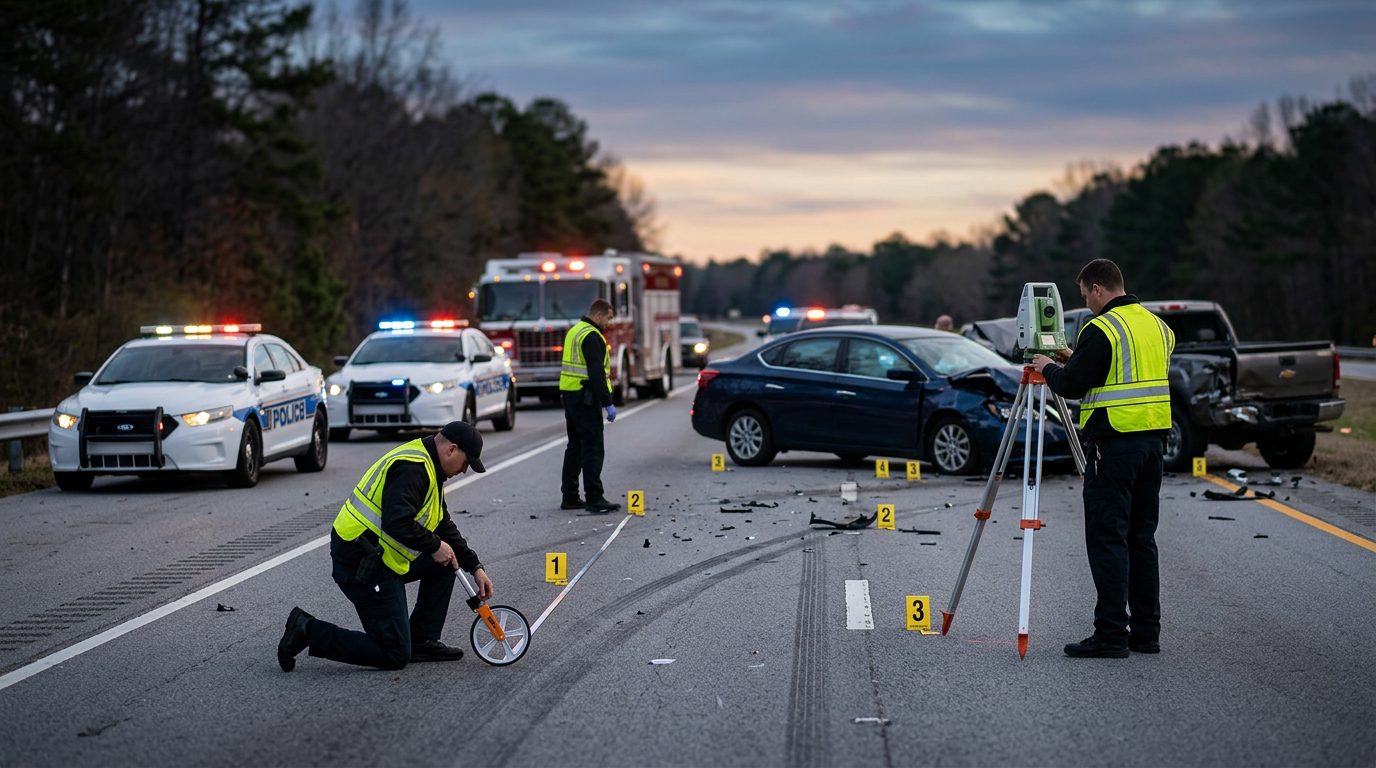
Wrongful Death Claims · Kennesaw, Georgia
Wrongful Death Claims in Kennesaw: Answers for Grieving Families
When a loved one dies because of someone else's negligence, you should not have to face the legal questions alone. Slam Dunk Attorney helps Kennesaw families understand their options. Your first consultation is free, confidential, and comes with no obligation to continue.
By Peter F. Jaraysi · Published October 27, 2026
Wrongful Death Claims in Kennesaw: What Families Need to Know
When someone dies because of another person’s negligence or wrongful act, Georgia law allows the family to file a civil lawsuit called a wrongful death claim. This claim seeks compensation for the family’s losses—not to punish the person responsible, but to help the family recover financially from the tragedy. If you’ve lost a loved one in Kennesaw or the surrounding area, understanding how these claims work and what deadlines apply is the first step toward protecting your family’s rights.
If someone's negligence caused a death in your family, you may have a right to pursue compensation—and the clock is ticking. Reach out to discuss your family's situation with no obligation. Talk it through with our team — the first consultation is free, confidential, and carries no obligation.

What Is a Wrongful Death Claim in Georgia?
A wrongful death claim is a civil lawsuit filed when someone’s careless or reckless conduct causes another person’s death. It’s distinct from a criminal case; the goal is to compensate the family, not to send anyone to jail. These claims can arise from many types of accidents: car, truck, or motorcycle collisions; pedestrian accidents; falls on unsafe property; dog bites; or nursing home neglect. Georgia law recognizes the right of certain family members to recover damages when negligence leads to death.
Who Can File a Wrongful Death Lawsuit in Kennesaw?
Georgia law is clear about who has the legal right to file. You don’t need to be the one filing the papers—an attorney can guide your family through the process and handle the legal steps.
Filing deadlines apply to these claims, and the exact deadline depends on the facts of each case. If you’re unsure whether your deadline has passed, contact an attorney immediately.
Who Gets the Money in a Wrongful Death Lawsuit in Georgia?
Under O.C.G.A. § 51-4-2(d), if both a surviving spouse and children survive the deceased, the spouse receives no less than one-third of the recovery. Under O.C.G.A. § 51-4-2(d), any amount recovered under subsection (a) shall be equally divided, share and share alike, among the surviving spouse and the children per capita, with the descendants of children taking per stirpes. Notwithstanding that equal division, the surviving spouse shall receive no less than one-third of such recovery as such spouse’s share. If only a spouse survives, the spouse receives the entire recovery. If only children survive, they divide the recovery equally.
What Damages Can Be Recovered?
Georgia law allows recovery for the “full value of the life” of the deceased. This includes:
- Lost wages and earning capacity — what the deceased would have earned during their remaining work years
- Funeral and burial expenses
- Medical bills incurred before death
- Loss of parental guidance (if a parent died)
Georgia does not cap wrongful death damages. However, each case is unique, and compensation depends on the deceased’s age, earning potential, the strength of evidence, and the degree of negligence involved. An attorney will review your family’s specific circumstances to discuss what may be recoverable—never a promise, but an honest assessment based on the facts.
Georgia’s Critical Timelines: The Statute of Limitations
Filing deadlines apply to these claims, and exceptions and tolling rules can change when a deadline runs. If your loved one died two years ago or longer, you’ve likely missed the deadline—but consult an attorney immediately to be certain.
Special rule for municipal claims: If your claim is against the City of Kennesaw or another municipal entity, you must first present a written claim to the municipality within six months of the death. This is a separate requirement from the two-year lawsuit deadline. Missing this six-month window can bar your claim against the municipality.
Not sure what your next step is?
Talk it through with our team — the first consultation is free, confidential, and carries no obligation.
How to Prove Negligence in a Wrongful Death Case
-
Duty of care. The defendant owed a legal duty to the deceased—for example, a driver owes a duty to operate their vehicle safely, or a property owner owes a duty to maintain safe premises.
-
Breach. The defendant breached that duty through careless, reckless, or negligent conduct—for example, speeding, running a red light, or failing to repair a known hazard.
-
The defendant’s conduct must be the proximate cause of the fatal injury.
-
Damages. Your family suffered measurable losses—financial and non-financial—as a result of the death.
Evidence supporting these elements may include accident reports, medical records, witness statements, photographs, testimony from qualified professionals, and records of the deceased’s income and expenses.
What If the Deceased Was Partially at Fault?
Georgia follows a rule called “modified comparative fault.” Under O.C.G.A. § 51-12-33, if the deceased was 50 percent or more responsible for their own death, your family recovers nothing. Under O.C.G.A. § 51-12-33, where the plaintiff is to some degree responsible for the injury or damages claimed, the judge shall reduce the amount of damages otherwise awarded to the plaintiff in proportion to his or her percentage of fault. For example, if a jury finds the deceased 20 percent at fault and awards $100,000 in damages, your family receives $80,000.
Common Causes of Wrongful Death in Kennesaw
Wrongful death claims in the Kennesaw area commonly arise from:
- Motor vehicle accidents — car, truck, and motorcycle collisions, including pedestrian accidents
- Unsafe property conditions — falls, inadequate maintenance, hazardous stairs, or poor lighting
- Negligent security — deaths resulting from criminal acts on poorly secured premises
- Nursing home or assisted living negligence — abuse, neglect, medication errors, or failure to provide proper care
- Dog bites or animal attacks
What Happens When You Contact Our Firm
When you reach out to discuss your family’s situation, here’s what typically happens:
Initial consultation. You share what happened; the attorney listens carefully and asks clarifying questions to understand the circumstances of the death, who was involved, and what evidence exists.
Case evaluation. The firm reviews whether Georgia law allows a claim, whether the two-year deadline has passed, and whether there is a viable path forward based on the facts you’ve shared.
No obligation. A free consultation does not commit you to anything. You can ask questions, get information, and decide whether to move forward.
Representation. If the firm takes your case, it typically works on a contingency basis—meaning you pay no upfront attorney fees. However, you may still be responsible for case costs (such as court filing fees, fees for professional witnesses, and investigation expenses) even if the case doesn’t result in a recovery. The attorney will explain this clearly before you agree.
Investigation and negotiation. Once retained, the attorney investigates the death, gathers evidence, negotiates with insurance companies and the defendant’s counsel, and prepares for trial if necessary.
Frequently Asked Questions About Wrongful Death Claims
Q: What are the odds of winning a wrongful death lawsuit?
Outcomes depend on the facts, evidence, and the defendant’s conduct. An attorney can discuss the strength of your specific claim after reviewing the details.
Q: How hard is it to win a wrongful death lawsuit?
You must prove negligence and that it caused the death. The difficulty varies by case. An experienced attorney can assess your situation and explain the challenges and strengths.
Consult an attorney immediately if you are unsure.
An attorney can navigate Georgia law, strict deadlines, and negotiations with insurers and opposing counsel.
Q: What if the defendant doesn’t have insurance or money?
Your attorney can explore available sources of recovery, including the defendant’s personal assets, business insurance, and other coverage. This is one reason to consult early.
If someone's negligence caused a death in your family, you may have a right to pursue compensation—and the clock is ticking. Reach out to discuss your family's situation with no obligation. Talk it through with our team — the first consultation is free, confidential, and carries no obligation.

Next Steps for Your Family
If you’ve lost a loved one in circumstances that may involve someone else’s negligence, take these steps:
- Gather documents: accident or incident reports, medical records, the death certificate, and insurance information.
- Write down what happened and note the names and contact information of any witnesses.
- Confirm the date of death to ensure you are within Georgia’s two-year window.
- Contact our firm to discuss your family’s situation in a free, confidential consultation with no obligation to continue.
Losing a loved one is devastating. If that loss resulted from someone else’s carelessness, your family may have a legal right to seek compensation. The two-year deadline is real and unforgiving, so reaching out sooner rather than later protects your family’s rights. Contact us to discuss what happened and what may be possible for your family.
How our firm supports your family
Compassion first
Losing someone is painful. We listen to your family's story at your pace and explain each step in plain language.
Careful review of the facts
We look at police and incident reports, medical records, photos, and other evidence to understand what happened and who may be responsible.
Clear communication
We keep you informed about your matter and answer your questions so you know what to expect.
Advocacy for your family
Our lawyers and team focus on pursuing accountability and fair compensation for families across Kennesaw and Georgia.
Situations that can lead to a wrongful death claim
Car and truck crashes
Collisions involving passenger vehicles or commercial trucks can cause fatal injuries. Crash details, driver conduct, and vehicle records often matter.
Motorcycle and pedestrian accidents
Riders and people on foot are especially vulnerable on Georgia roads. Fatal injuries in these cases often raise questions about visibility, right-of-way, and driver behavior.
Rideshare accidents
Deaths involving Uber or Lyft trips can involve the driver, the vehicle, and the app's role. Each situation requires a careful look at the facts.
Nursing home abuse and neglect
When a resident dies from neglect, medical mistreatment, or abuse in a care facility, families often need answers about what happened and why.
Unsafe properties and negligent security
Deaths caused by hazardous conditions, poor maintenance, or inadequate security at a property may give rise to a claim. These matters depend heavily on the facts.
Preserve what you have
Important evidence, such as photos, police and incident reports, medical and hospital records, and messages or witness names, can become harder to gather over time. Keeping these items in one place can help when you speak with us.
Talk with Peter F. Jaraysi and our team about your family's loss. Your first consultation is free and confidential.
Related practice areas
- Wrongful Death in Johns Creek
- Delivery Truck Accident Lawyer Georgia | Slam Dunk