
Wrongful Death
What Evidence Matters Most in a Wrongful Death Case
Understanding how investigators and attorneys build a case when someone dies due to another's negligence or misconduct.
By Peter F. Jaraysi · Published September 23, 2026
Wrongful Death Investigation: What Evidence Matters Most in Georgia
When someone dies because of another person’s or entity’s negligence, recklessness, or intentional act, the family may have a wrongful death claim under Georgia law. Building that claim requires evidence—solid, documented proof of what happened, who was responsible, and what the loss means to the family. This guide explains the types of evidence investigators and attorneys examine in wrongful death cases, why the investigation window is so narrow, and what you can do to protect critical information right now.
Not sure what your next step is?
Talk it through with our team — the first consultation is free, confidential, and carries no obligation.
Why Evidence Matters in a Wrongful Death Investigation
A wrongful death claim isn’t just about the fact that someone died—it’s about proving that someone else’s conduct caused that death. Georgia law requires clear and convincing evidence to establish both liability and damages in wrongful death cases. That’s a high standard, and it means every piece of evidence—from medical records to witness statements to scene photographs—plays a role in building the case.
Evidence is also time-sensitive. Memories fade. Scenes are cleaned up or repaired. Vehicles are scrapped. Witnesses move away or stop returning calls. The investigation phase, which often begins within days or weeks of a death, is when the most critical evidence is still available and can be preserved. That’s why attorneys move quickly to document the scene, secure records, and interview witnesses before information is lost.
Medical and Autopsy Records
The medical examiner’s autopsy report is often the foundation of a wrongful death case. It establishes the cause of death (the injury or condition that actually killed the person) and the manner of death (whether it was accidental, intentional, or undetermined). This report also reveals whether the death was consistent with the circumstances as reported—for example, whether the injuries match the type of accident described.
Hospital and emergency room records document the injuries the deceased sustained, the medical treatment provided, and the timeline of events leading to death. These records show what doctors observed, what tests were performed, and what the medical team’s assessment was. In some cases, toxicology reports (which test for drugs, alcohol, or other substances in the body) are relevant—particularly in vehicle accidents, falls, or nursing home cases.
Prior medical history matters too. An attorney will review whether the deceased had pre-existing conditions that might have contributed to the death, or whether the defendant’s actions were the primary cause. This distinction is important because Georgia’s comparative negligence rules may apply, and the evidence must clearly show the defendant’s responsibility.
Accident Scene and Physical Evidence
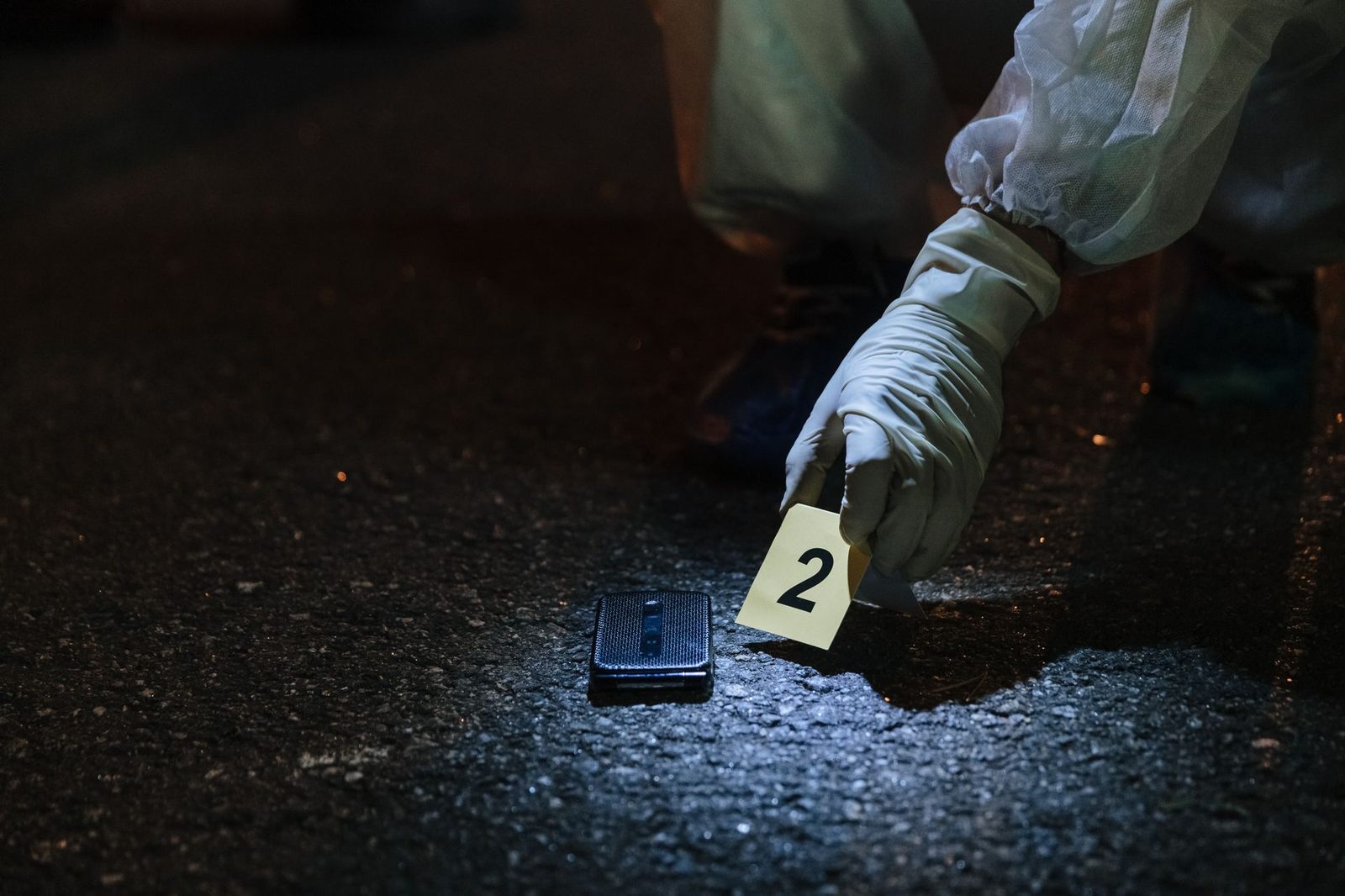
Photographs and video taken immediately after an incident preserve the scene as it actually was. These images document road conditions, weather, lighting, debris patterns, vehicle damage, property damage, and the overall environment. Measurements and diagrams of the scene establish distances, sight lines, and the position of vehicles or bodies relative to landmarks.
In vehicle accidents, the damage to the vehicles themselves tells a story—the point of impact, the force involved, and the direction of travel. In premises liability cases (slip and fall, negligent security, unsafe property), photographs of the dangerous condition, maintenance records, and prior complaints establish what the property owner knew or should have known.
Police reports and official scene investigation notes provide a contemporaneous record. However, these reports are often incomplete or may not capture all relevant details. That’s why investigators working with an attorney conduct their own documentation and preserve evidence independently. Physical evidence degrades quickly—weather, cleanup, repairs, and the passage of time can destroy or alter it. Early preservation is essential.
Witness Statements and Testimony
Eyewitnesses who saw the incident unfold provide accounts of what happened before, during, and after. Their statements establish the sequence of events, the defendant’s conduct, and any contributing factors. People who knew the deceased—family members, employers, friends—can testify to the deceased’s character, relationships, and economic contributions to the household.
Expert witnesses—accident reconstructionists, medical experts, engineers, and other specialists—interpret the physical evidence and explain causation. An accident reconstructionist, for example, can analyze vehicle damage and scene evidence to determine vehicle speeds, impact angles, and whether the defendant had time to avoid the collision. A medical expert can explain whether the injuries caused by the defendant’s conduct were the direct cause of death.
Recorded statements taken early are more reliable than recollections months or years later. Written statements, recorded interviews, and detailed notes create a permanent record that can be referred to if a witness’s memory fades or if their account changes over time. Witness credibility and consistency matter—a documented statement is far more powerful than an uncertain recollection offered at trial.
Financial and Economic Records
Income documentation, tax returns, and employment records establish the deceased’s earning capacity—how much money they would have earned over their remaining working life. Household expenses and financial obligations show the family’s economic loss. Medical bills, funeral expenses, and other direct costs are quantifiable damages.
These financial records support the damages portion of a wrongful death claim. Georgia law allows recovery for the deceased’s lost earning capacity, lost services, and the family’s loss of companionship and support. Documentation makes these losses concrete and measurable rather than speculative.
Not sure what your next step is?
Talk it through with our team — the first consultation is free, confidential, and carries no obligation.
Communication and Digital Evidence
Text messages, emails, and phone records may show the defendant’s state of mind or actions before the incident. In vehicle accidents, cell phone records can indicate whether the defendant was using a phone while driving—evidence of distracted driving. Social media posts or messages may reveal negligence or recklessness.
Surveillance video from nearby cameras, traffic cameras, or business security systems can document the incident directly. This video evidence is often the most powerful—it shows exactly what happened, without interpretation or memory loss. However, surveillance footage is frequently overwritten or deleted after 30 to 90 days, so early requests to preserve it are critical.
Maintenance and Safety Records
In cases involving vehicles, property, or equipment, maintenance logs, inspection reports, and safety records establish whether the defendant maintained the item properly or knew of a defect. In nursing home abuse cases, medical records, medication logs, and care documentation show whether the facility provided adequate care.
Prior complaints, incident reports, or regulatory violations may show a pattern of negligence. For example, if a property owner had prior slip-and-fall complaints but failed to repair a hazard, or if a nursing home had prior citations for neglect, those records establish that the defendant knew or should have known of the dangerous condition.
What Happens to Evidence During Investigation
Attorneys and investigators work to preserve evidence before it is lost or destroyed. A “preservation letter” (a formal notice demanding that evidence be preserved) can be sent to the defendant, insurance companies, property owners, and other parties. Spoliation—the destruction of evidence after a preservation notice—can result in sanctions or adverse inferences against the responsible party, meaning a court may assume the destroyed evidence would have supported your claim.
Evidence requests and subpoenas compel third parties (hospitals, employers, government agencies, insurance companies) to produce records. Expert analysis of evidence may require independent testing, reconstruction, or review by specialists. A detailed timeline is built from all available evidence to establish the sequence of events and connect the defendant’s conduct to the death.
How to Protect Evidence After a Death
Preserve photographs and video. Document the scene, vehicles, property, or equipment as it was immediately after the incident. Take multiple angles and close-ups.
Keep all records. Collect and store medical records, bills, correspondence, insurance documents, and any written communications related to the death.
Document witnesses. Write down the names, phone numbers, and email addresses of anyone who witnessed the incident or knows relevant facts. Record their account of what they saw while it’s fresh.
Protect physical evidence. Do not allow vehicles, property, or equipment to be repaired, cleaned, or disposed of without legal guidance. These items may contain critical evidence.
Write your own account. Document your recollection of events, dates, communications, and any relevant background while details are clear in your mind.
Notify relevant parties. Inform employers, property owners, insurance companies, and other parties that you are investigating the death. This notice can trigger a duty to preserve evidence.
When to Seek Legal Guidance on Evidence
Early consultation with an attorney helps ensure evidence is preserved and collected properly. An attorney can issue preservation letters to prevent destruction of evidence and can access investigative tools—subpoenas, expert networks, and investigative resources—that individuals cannot access alone.
Legal guidance clarifies what evidence is relevant to your situation and how to obtain it. An attorney can also ensure that evidence is collected in a way that preserves its admissibility in court.
The statute of limitations for wrongful death in Georgia is two years from the date of death. That deadline applies to filing a lawsuit, but the investigation and evidence-gathering process must begin much sooner. Time matters—evidence disappears, witnesses become unavailable, and opportunities to preserve critical information close quickly.
Not sure what your next step is?
Talk it through with our team — the first consultation is free, confidential, and carries no obligation.
Frequently Asked Questions
What is the difference between cause of death and manner of death?
Cause of death is the specific injury or condition that killed the person (e.g., blunt force trauma, internal bleeding). Manner of death is the classification of how the death occurred (accidental, intentional, natural, or undetermined).
Can surveillance video be used as evidence in a wrongful death case?
Yes, surveillance video is often powerful evidence because it documents the incident directly. However, footage is frequently overwritten within 30 to 90 days, so early preservation requests are critical.
What happens if evidence is destroyed after someone dies?
Destruction of evidence after a preservation notice (spoliation) can result in sanctions or adverse inferences against the responsible party, meaning a court may assume the destroyed evidence would have supported your claim.
How long do I have to file a wrongful death claim in Georgia?
The statute of limitations is two years from the date of death, but the investigation and evidence-gathering process must begin much sooner to preserve critical information.
Do I need expert witnesses in a wrongful death case?
In many cases, yes. Experts such as accident reconstructionists, medical professionals, and engineers interpret evidence and explain causation to the court or jury.
If you’ve lost someone and suspect negligence was involved, the evidence preservation process is already underway—and the decisions you make in the first few weeks can shape what’s available later. Families across metro Atlanta and Georgia who are navigating this situation often reach out for guidance on what to preserve and what their options are. We’re here to answer your questions about your specific circumstances and to help protect the evidence that matters.
Key Types of Evidence in Wrongful Death Cases
Medical and Autopsy Records
Documentation of the cause of death—the specific injury or condition that resulted in the fatality—and the manner of death (accidental, intentional, natural, or undetermined). These records establish the direct link between the defendant's actions and the death.
Surveillance and Scene Evidence
Video footage, photographs, accident scene reports, and physical evidence from the location where the death occurred. This material can corroborate witness accounts and show exactly how the incident unfolded.
Witness Statements and Testimony
Accounts from people who saw the incident or have knowledge of the circumstances. Consistent, credible witness testimony strengthens the narrative of what happened and why.
Expert Analysis
Reports from accident reconstructionists, medical professionals, safety engineers, or other qualified professionals who can explain how the incident occurred and why it was preventable.
How We Approach Wrongful Death Investigation
Thorough Record Gathering
We obtain medical examiner reports, police records, emergency response documentation, and any other official records that detail the circumstances and cause of death.
Witness Identification and Interviews
We identify and speak with people who witnessed the incident or have relevant knowledge, preserving their accounts while the details are still fresh.
Expert Consultation
We work with qualified professionals—medical experts, engineers, accident reconstructionists—to analyze the evidence and explain how negligence or misconduct led to the death.
Liability Investigation
We examine whether the defendant owed a duty of care to the deceased, whether that duty was breached, and whether the breach directly caused the death.
Time Matters
Evidence can be lost, memories fade, and witnesses become harder to locate as time passes. If you've lost a loved one due to someone else's negligence or wrongful conduct, reaching out promptly helps preserve critical evidence and protect your family's legal rights.
Common Wrongful Death Scenarios We Investigate
Motor Vehicle Accidents
Car, truck, and motorcycle collisions caused by reckless driving, impairment, mechanical failure, or unsafe road conditions.
Premises Liability
Deaths resulting from unsafe property conditions, inadequate security, slip and fall incidents, or failure to maintain safe premises.
Negligent Security
Deaths caused by violent crime where the property owner or manager failed to provide adequate security measures or warnings.
Nursing Home Abuse and Neglect
Deaths in long-term care facilities resulting from abuse, neglect, medication errors, or failure to provide proper care.