
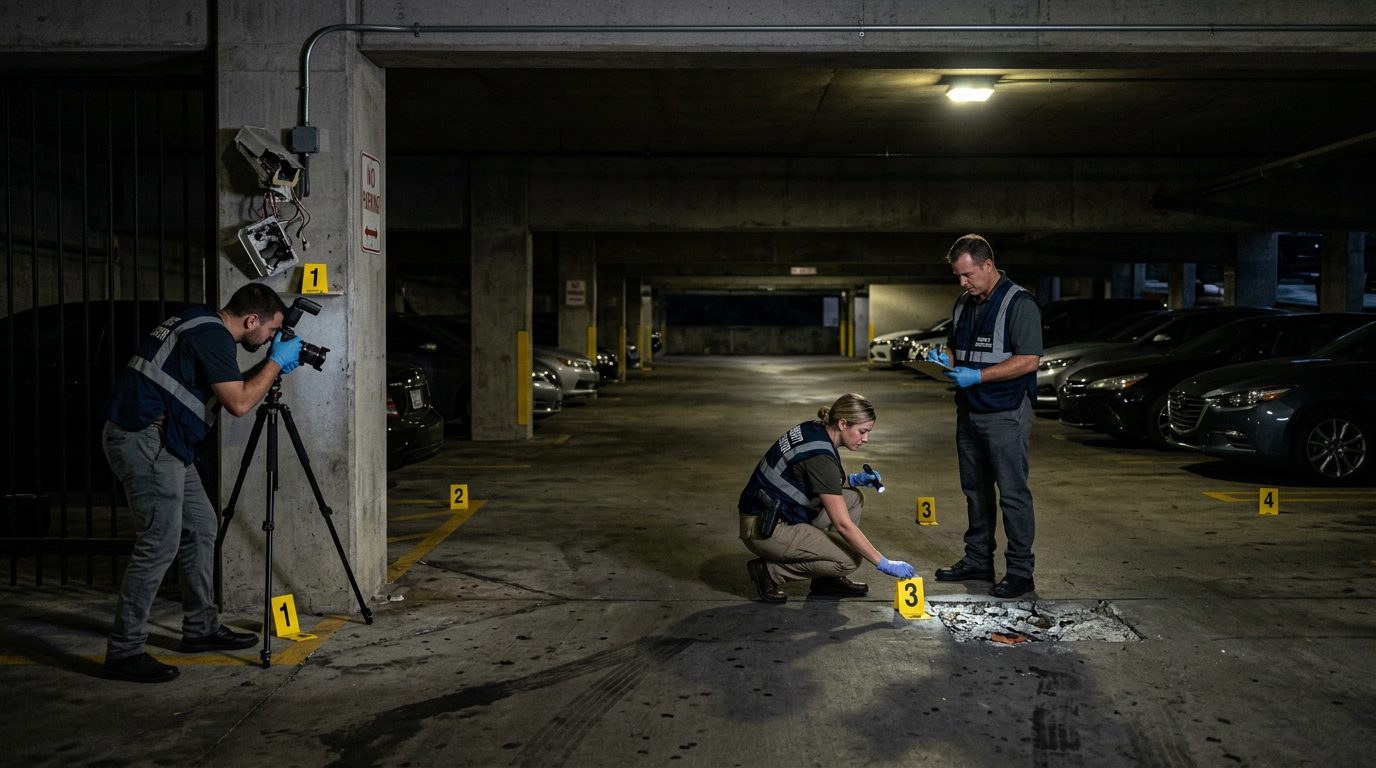
Wrongful Death & Negligent Security · Duluth, Georgia
When a Lack of Security Leads to Tragedy, Your Family Deserves Answers
Slam Dunk Attorney represents families across metro Atlanta and Georgia after a fatal attack on a property where safety measures fell short. Our team focuses on listening first and explaining your options in plain language.
By Peter F. Jaraysi · Published October 21, 2026
If a loved one died in a violent crime on someone else’s property, Georgia law may allow close family members to bring a wrongful death claim. The claim asks whether the property owner or a security company failed to use reasonable care to protect people. This guide explains who can sue, what a claim can cover, and which deadlines matter. Families looking for wrongful death 30339 information often ask these same questions first, so we answer them in plain language below.
Who can bring a wrongful death claim in Georgia?
A surviving spouse can bring the claim. If there is no surviving spouse, a child or children can bring it.
Under O.C.G.A. § 51-4-2, the surviving spouse or, if there is no surviving spouse, a child or children may recover the full value of the decedent’s life, as shown by the evidence. The surviving spouse gets no less than one-third of any recovery. If there is no spouse, the recovery is split equally among the children.
Any recovery under that section is not subject to the decedent’s debts or the estate’s liabilities.
The statute names who sues first. The personal representative, the person who manages the estate, brings the wrongful death action only when no one is entitled to bring it under Code Section 51-4-2 or 51-4-4, and then holds any recovery for the benefit of the next of kin; separately, when a death results from a crime or from criminal or other negligence, the personal representative is entitled to recover the funeral, medical, and other necessary expenses resulting from the injury and death under O.C.G.A. § 51-4-5.
Several relatives may want to move forward together. Our guides on who may recover in Georgia and multiple family members cover how that works.
If a violent act on someone else's property took a person you love, your family may have a claim, and our team can review the facts in a free, confidential consultation. Talk it through with our team — the first consultation is free, confidential, and carries no obligation.

When can a violent crime at a property support a claim?
A claim may exist when the property’s owner, manager, or security contractor failed to use reasonable care to protect people from the wrongful acts of others. This is often called negligent security.
Under O.C.G.A. § 51-3-1, an owner or occupier who invites people onto the premises must use ordinary care in keeping the premises and approaches safe. Under O.C.G.A. § 51-3-57, a security contractor that takes on that duty can be liable only in the same manner and to the same extent as an owner or occupier.
Common security problems in these cases include:
- Poor lighting in parking areas, stairwells, and walkways
- Broken or missing locks, gates, or doors that do not latch
- Cameras that do not work or are not watched
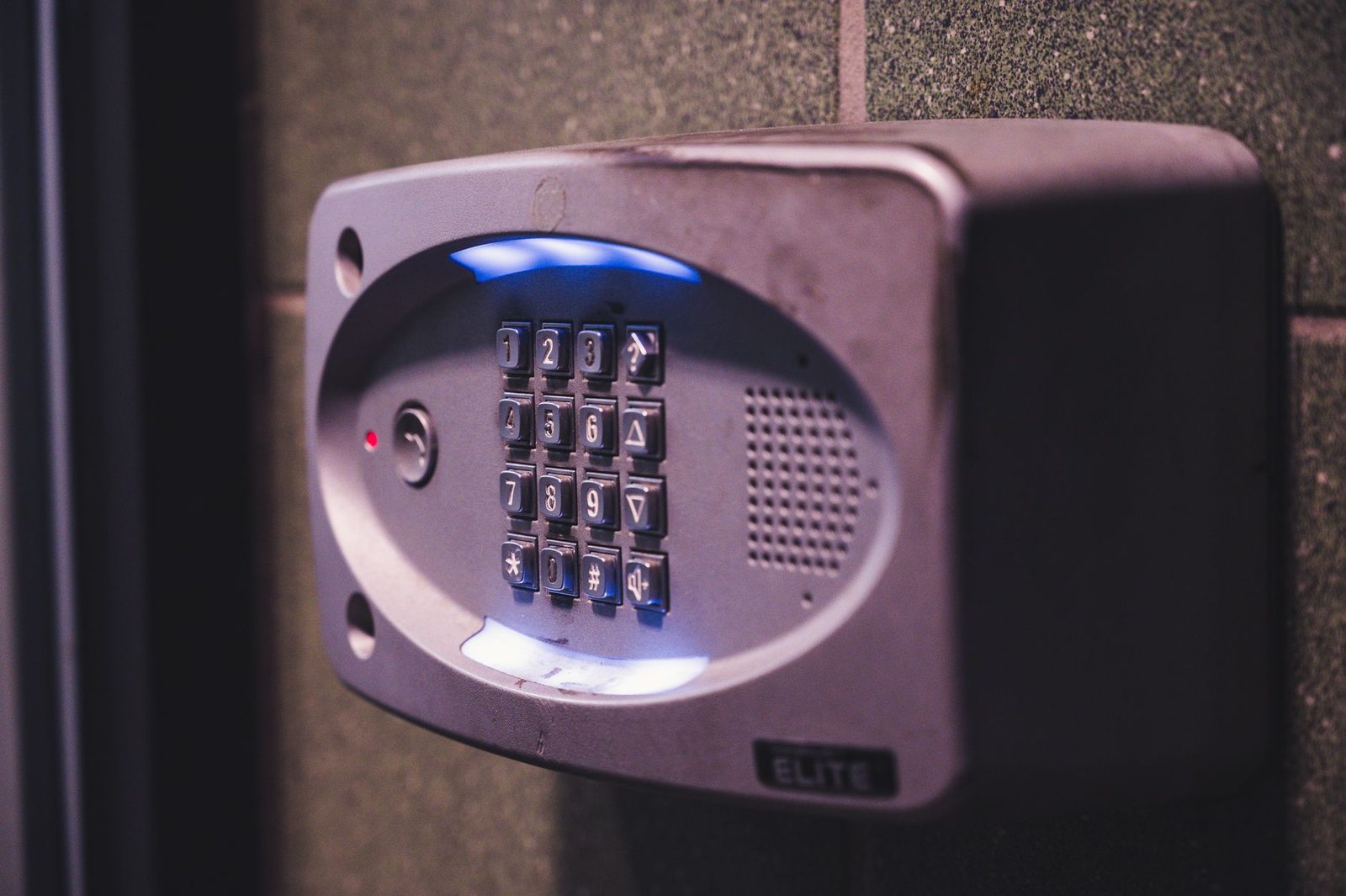
- No control over who can enter the property
- No patrols where the property had known problems
- Prior crime reports at the property that were ignored
The attacker’s crime does not end the inquiry. Georgia law has the fact-finder consider the fault of everyone who contributed to the injury, whether or not that person or company was named in the lawsuit, but a nonparty’s fault is considered only if the plaintiff settled with that nonparty or a defending party gives notice not later than 120 days prior to the date of trial that the nonparty was wholly or partially at fault (O.C.G.A. § 51-12-33). For more, see our page on negligent security in Georgia and the Atlanta negligent security guide.
What can a wrongful death claim cover?
A wrongful death claim can cover the full value of the decedent’s life, and the personal representative of the deceased person can recover funeral, medical, and other necessary expenses resulting from the injury and death when the death results from a crime or from criminal or other negligence.
Under O.C.G.A. § 51-4-5, when death results from a crime or from criminal or other negligence, the personal representative may recover funeral, medical, and other necessary expenses. Necessary expenses from an injury are also a legitimate part of the damages estimate under O.C.G.A. § 51-12-7.
Damages for medical expenses are limited to the reasonable value of medically necessary care, treatment, or services, as determined by the trier of fact (O.C.G.A. § 51-12-1.1).
The value of a life is shown through evidence. Families often describe the loss of companionship, guidance, and the role their loved one played at home. Those details help show what the family lost.
Documentation matters. Useful records include pay stubs, tax returns, medical and funeral bills, receipts, and written statements from family members.
If Medicare paid medical bills after an accident, how those bills are handled in an injury claim is a question worth raising with a lawyer.
Every family’s losses are different, so the value of a case turns on its own facts.
How does the process work, step by step?
The process starts with a free, confidential first consultation. It then moves through evidence requests, investigation, negotiation, and, if needed, a lawsuit.
- Free first consultation. The family describes the death, the property, and any earlier incidents there. The consultation is confidential and carries no obligation to continue.
- Evidence requests. Letters go out to preserve police reports, incident reports, 911 records, surveillance video, security logs, and maintenance and leasing records.
- Investigation. This includes witness statements, a property inspection, and a review of prior crimes at or near the property. It also identifies responsible parties, such as owners, management companies, and security contractors.
- Insurers and negotiation. The firm notifies insurers and discusses a demand. The family gets updates at each stage.
- Lawsuit, if needed. If the claim does not resolve, a lawsuit is filed in the proper Georgia court. Discovery, the exchange of evidence between the sides, follows.
Timelines vary, and investigation often takes longer than families expect.
What are the time limits for a Georgia wrongful death claim?
Georgia’s general deadline for actions for injuries to the person is two years from when the right of action accrues, except as otherwise provided in this article, with exceptions for injuries to reputation (one year) and actions for injuries to the person involving loss of consortium (four years) (O.C.G.A. § 9-3-33). Early review helps confirm which deadline applies to your family’s claim.
If the attacker is prosecuted, O.C.G.A. § 9-3-99 can pause the clock while the criminal case is pending. That pause cannot run longer than six years.
Evidence does not wait for the deadline. Video is often overwritten, and witnesses move away. Families can help by writing down:
- The date, time, and exact location of the incident
- Names and phone numbers of anyone who saw or heard something
- Paperwork from the hospital, the medical examiner, and the police
Why do families bring these cases to Slam Dunk Attorney?
Slam Dunk Attorney represents families in wrongful death and other personal injury matters across metro Atlanta and Georgia, from its office in Duluth, Georgia. Its work includes negligent security, catastrophic injuries such as traumatic brain injury and spinal cord injury, nursing home abuse, and premises liability.
Peter F. Jaraysi is the responsible lawyer for this page. Brian D. Wright is also one of the firm’s lawyers. Our team includes the firm’s assistants and office staff.
Our approach is direct communication, plain-language updates, and clear explanations of each decision. We do not promise any result. We will give you the facts as we understand them, so you can decide what fits your family.
Not sure what your next step is?
Talk it through with our team — the first consultation is free, confidential, and carries no obligation.
Questions families ask before they call
Here are short answers to common questions about wrongful death 30339 claims.
Does the attacker have to be charged for a claim to move forward?
A civil claim is separate from any criminal case against the attacker.
Can we sue an apartment complex, hotel, or retail property?
In the right case, a claim can be brought against the owner, manager, or a security company. The facts of the property decide whether that fits.
Do we have to decide right away?
No. The first consultation is free, confidential, and carries no obligation to continue.
Who pays court costs and case expenses?
Court costs and case expenses are separate from the free consultation, and families should understand them before deciding. Ask about them during that first call.
What if we are not sure the property was at fault?
The investigation answers that question. Evidence requests and a property review come first.
Talk with us about your family’s situation
If someone you love was killed in a shooting, stabbing, or assault at an apartment, hotel, parking area, or other property, your family may have a claim worth reviewing. Our team can look at the security, the records, and the timing with you in a confidential consultation that carries no obligation to continue.
Request a free case review and talk through your family’s questions before you decide anything.
This page is general information, not legal advice. Responsible lawyer: Peter F. Jaraysi, Slam Dunk Attorney, Duluth, Georgia. Contact: Slam Dunk Attorney contact page.
How Our Firm Approaches Negligent Security Cases
Compassion First
We understand that a wrongful death case begins with a loss that no legal process can undo. We take time to hear your family's story at a pace that works for you.
Careful Investigation
Security claims depend on details such as lighting, locks, cameras, prior incidents and staffing. Our attorneys look closely at the facts of the property and the events that led to the harm.
Clear Communication
Our team keeps you informed about each step, answers your questions directly and explains the choices in front of your family.
Serving Metro Atlanta and Georgia
From Duluth and Lawrenceville to Johns Creek, Alpharetta, Marietta, Norcross, Kennesaw and Dunwoody, our firm works with families throughout the area.
Properties Where Negligent Security Claims May Arise
Apartment and Condominium Complexes
Residents and guests may be at risk when gates, locks, lighting or patrols are not maintained or when known dangers are ignored.
Hotels, Motels and Short-Term Rentals
Guests expect a reasonably safe place to stay. Claims may involve inadequate locks, access control or warnings about past incidents.
Retail, Parking and Commercial Properties
Parking lots, stores and shopping centers that attract large numbers of people may need security measures suited to the risks they face.
Protect Important Information
Keep any police reports, photographs, medical records, receipts and messages connected to the incident. Speak with a lawyer before giving a recorded statement to an insurance company or property representative.