
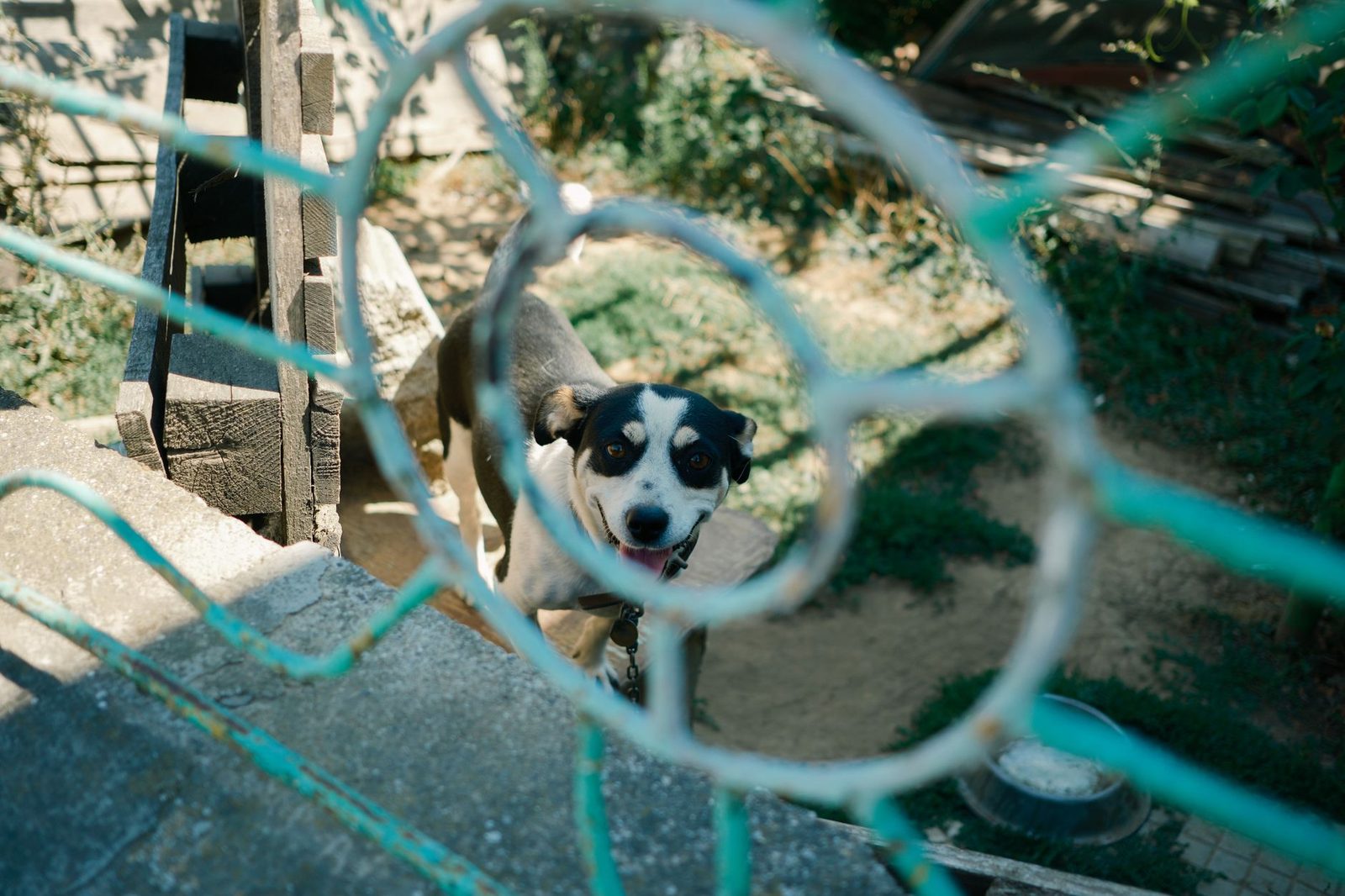
Dog Bite Injury
Bitten by Your Own Dog: Know Your Rights and Next Steps
Dog bite injuries—even from a pet you own—can result in serious harm and liability questions. Slam Dunk Attorney helps you understand your options.
By Peter F. Jaraysi · Published October 01, 2026
What to Do When Your Dog Bites You: Immediate Steps and Legal Considerations
A dog bite injury—even from your own pet—is a serious medical event that demands immediate attention. The first priority is stopping the bite, moving to safety, and getting proper medical care. After that, the practical and legal questions begin: How do you assess whether the dog is safe to keep? What does Georgia law say about your liability? And when might you need legal guidance?
This guide walks you through the immediate steps, the legal landscape in Georgia, and when professional help—both veterinary and legal—becomes important.
If you've been seriously injured by a dog bite—whether your own pet or someone else's—and you're unsure about your next steps or whether you have a claim, reach out to discuss what happened. Talk it through with our team — the first consultation is free, confidential, and carries no obligation.
Immediate Steps After a Dog Bite Injury
Stop the bite and move to safety as your first action. If you’re still in contact with the dog, create distance immediately. If the dog is still aggressive, leave the area or secure the dog in another room before tending to your wound.
Clean the wound thoroughly with soap and running water for at least five minutes. Dog bites carry a high infection risk because the puncture wounds created by teeth are deep and easily trap bacteria. After cleaning, apply an over-the-counter antibiotic ointment and cover the wound with a clean bandage.
Seek medical attention, even if the bite seems minor. Many dog bite wounds appear less serious than they are. A healthcare provider will assess the depth of the puncture, check for tendon or nerve damage, and determine whether you need rabies prophylaxis or antibiotics to prevent infection. Document everything your doctor does: wound cleaning, sutures, medications prescribed, and any follow-up care recommended.
Take photographs of the injury immediately and again over the next few days as it heals. Photos show the severity of the wound and how it progressed—valuable documentation if questions about liability arise later.
Report the bite to animal control if your local Georgia jurisdiction requires it. Many counties and municipalities have mandatory reporting rules for dog bites. Failure to report can expose you to additional legal liability. Check with your city or county animal control office to confirm the requirement.
Understanding Legal Liability When Your Own Dog Bites You
Georgia law holds dog owners liable for injuries caused by their dogs under a strict liability standard. This means the owner is responsible for the injury even if the dog has no prior history of aggression. According to Georgia’s statutory framework on animal liability, the owner’s knowledge of the dog’s dangerous propensities is not required for liability to attach—the bite itself establishes liability.
When your own dog bites you, the liability question becomes more complex. You cannot typically sue yourself. However, if you have homeowner’s insurance, your policy may cover the injury under the dog bite liability section. Insurance companies do pay dog bite claims on the owner’s property, though coverage varies by policy and insurer. Report the incident to your insurance company promptly.
Liability may still apply if your negligence contributed to the injury. For example, if you knew the dog was aggressive and failed to secure it properly, or if you left a child unsupervised with a dog you knew had bitten before, negligent ownership can establish liability. In these situations, a third party (such as a family member or visitor) might have a claim against you, and your homeowner’s insurance would typically defend that claim.
If a family member or guest was bitten by your dog on your property, they may have a legal claim. Your homeowner’s insurance should be notified immediately so the insurer can manage the claim and provide a defense if needed.
Can a Dog Be Trusted After It Bites?
Whether a dog can be trusted after biting depends on the circumstances of the bite and the dog’s overall behavior pattern. A single bite incident does not automatically mean the dog is permanently dangerous, but it does signal a need for professional evaluation.
A certified animal behaviorist can assess the dog’s behavior, identify triggers, and determine whether the bite was situational (provoked by pain, fear, or a specific trigger) or part of a broader aggression pattern. This professional assessment is the appropriate step before deciding whether to keep, retrain, or rehome the dog.
Behavioral modification and environmental management can reduce the risk of future incidents. This might include training to reduce reactivity, avoiding situations that trigger the dog, using a muzzle in public settings, and ensuring proper supervision. Consistency and patience are essential; behavioral change takes time.
Should I Get Rid of a Dog That Bites?
The decision to rehome a dog that has bitten depends on the severity of the bite, the circumstances, and your ability to manage the dog safely going forward. Not every bite requires rehoming, but some situations do.
Georgia law classifies dogs as “dangerous” or “vicious” under specific conditions. A dangerous dog is one that has bitten a person without provocation or that has been used in dog fighting. A vicious dog is one that has caused severe injury or death, or that has been previously designated dangerous and continues to pose a threat. If your dog meets these legal definitions, Georgia may require specific management steps or may order the dog removed.
Consult your local animal control office to understand whether your dog has been legally designated as dangerous or vicious. If so, your options may be limited by law.
If the dog has not been legally designated but you’re concerned about safety, professional training and behavioral modification are worth exploring before rehoming. Many dogs that bite can be safely managed with proper training, environmental controls, and ongoing supervision.
If you decide rehoming is necessary, work with a reputable dog rescue, shelter, or breed-specific rescue organization. Provide them with honest information about the bite incident and the dog’s behavior so they can place the dog appropriately or determine whether the dog can be safely rehomed.
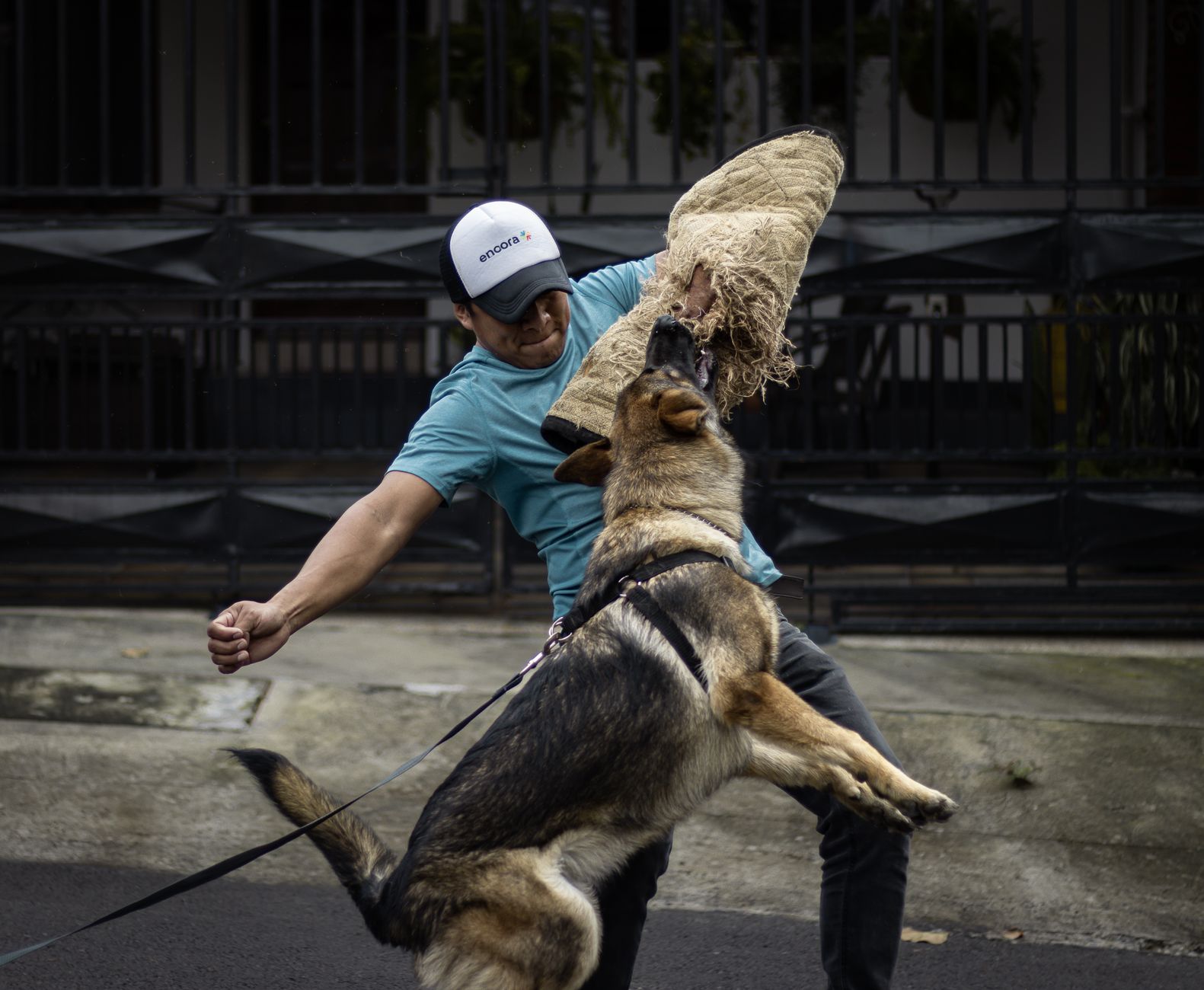
Can You Correct a Dog That Bites?
Professional dog trainers and certified animal behaviorists can work with a dog that has bitten to reduce reactivity and prevent future incidents. Behavioral modification is possible in many cases, but success depends on the dog’s temperament, the consistency of training, and the owner’s commitment to managing the dog’s environment.
Identify the triggers that led to the bite. Was the dog protecting food, reacting to pain, startled, or responding to a perceived threat? Understanding the trigger helps a trainer develop a targeted approach. A dog that bites only when its tail is pulled has a different training need than a dog that bites unprovoked.
Training typically involves teaching the dog to respond calmly to triggers, creating routines that minimize exposure to those triggers, and rewarding calm behavior consistently. This process takes weeks or months, not days. Realistic expectations are essential—behavioral change is gradual.
In some cases, professional intervention is necessary from the start. If the dog has bitten multiple people, caused severe injury, or shows signs of unprovoked aggression, a certified animal behaviorist should evaluate the dog before you proceed with training.
Not sure what your next step is?
Talk it through with our team — the first consultation is free, confidential, and carries no obligation.
Do Dogs Feel Remorse After Biting Their Owners?
Dogs do not feel remorse in the human sense. A dog that appears withdrawn, avoids eye contact, or seems to hide after biting is not expressing guilt or apologizing. These behaviors may reflect fear of the owner’s reaction, stress from the incident, or simply the dog’s normal response to a tense situation.
Understanding this distinction is important because it affects how you interpret the dog’s behavior and make decisions about the dog’s future. A dog that “seems sorry” is not necessarily a safe dog. Conversely, a dog that shows no visible emotional response is not necessarily a dangerous dog—it may simply be less emotionally expressive.
Focus on the dog’s behavior patterns and triggers rather than on emotional interpretation. The question to ask is not “Does the dog feel bad?” but rather “What led to the bite, and can I prevent it from happening again?”
Gathering Documentation and Evidence
Thorough documentation strengthens your understanding of what happened and protects you if legal questions arise later.
Keep all medical records related to the bite injury: doctor’s notes, wound assessments, photographs taken by healthcare providers, prescriptions for antibiotics or rabies prophylaxis, and bills for treatment. These records establish the severity of the injury and the medical response.
Photograph the injury multiple times over several days. Images show progression of healing and the true extent of the wound. Store these photos securely and note the date and time each was taken.
If you filed a report with animal control, obtain a copy of that report. It creates an official record of the incident and may be relevant if liability questions arise.
If anyone else witnessed the bite or the circumstances leading to it, ask them to provide a written statement describing what they saw. Witness accounts can clarify whether the bite was provoked or unprovoked, and whether the owner’s actions contributed to the incident.
Obtain veterinary records for the dog, including vaccination history (especially rabies vaccination), prior behavioral notes, and any previous bite incidents. These records help establish whether the bite was an isolated event or part of a pattern.
When to Seek Legal Guidance
Dog bite injuries sometimes involve legal questions that require professional guidance. You may need legal help if:
The injury is serious. If the bite caused deep puncture wounds, nerve or tendon damage, scarring, or required surgery, the injury may have lasting consequences. Understanding your legal options and whether you have a claim is important.
Insurance coverage is unclear. Your homeowner’s policy should cover dog bite liability, but policy language varies. If you’re unsure whether your injury is covered or how to file a claim, an attorney can review your policy and guide you through the process.
Someone else was injured. If a family member or visitor was bitten by your dog on your property, they may have a legal claim against you. Your insurance company should handle this, but early legal consultation can protect your interests.
The dog was someone else’s. If you were bitten by another person’s dog, you likely have a legal claim for your medical expenses, lost wages, and pain and suffering. Georgia law holds the dog owner liable for the injury.
The injury resulted in death. Wrongful death claims can arise from fatal dog bite injuries. Georgia law provides remedies for families of deceased victims in cases involving negligent ownership or failure to control a dangerous animal.
Frequently Asked Questions
What should I do immediately after my dog bites me?
Stop the bite, move to safety, clean the wound with soap and water for five minutes, apply antibiotic ointment, and seek medical attention. Take photos and report the incident to animal control if required by your local jurisdiction.
Does homeowner’s insurance cover dog bite injuries?
Most homeowner’s insurance policies include dog bite liability coverage, though the specifics vary by policy. Report the incident to your insurer promptly so they can evaluate your claim.
Can I be held liable if my own dog bites me?
You cannot sue yourself, but if your negligence (such as failure to secure a known aggressive dog) contributed to the injury, a third party injured by your dog may have a claim against you.
When should I consult a dog behaviorist?
After any bite incident, a certified animal behaviorist can assess whether the bite was situational or part of a broader aggression pattern and help you decide whether the dog can be safely managed or should be rehomed.
Is Georgia a strict liability state for dog bites?
Yes. Georgia law holds dog owners liable for injuries caused by their dogs even if the dog has no prior history of aggression.
A dog bite injury—especially one involving your own pet—creates immediate medical, emotional, and practical concerns. The steps you take in the first hours matter: medical care, documentation, and reporting protect your health and create a clear record of what happened. If the injury is serious or raises questions about liability, insurance coverage, or your legal rights, reaching out for professional guidance early can clarify your options and help you move forward with confidence.
Seek Medical Care First
Even a bite from your own dog requires immediate medical attention. Stop the bite, move to safety, clean the wound thoroughly with soap and water for at least five minutes, apply antibiotic ointment, and contact a healthcare provider. Take photos of the injury and document the incident. Depending on your location, you may be required to report the bite to animal control.
What Happens After a Dog Bite Injury
Insurance Coverage Questions
Most homeowner's insurance policies include liability coverage for dog bite injuries, even if the dog is yours. Your policy may cover medical expenses and related costs. Review your policy or contact your insurer to understand your coverage limits and what's included.
Liability and Responsibility
Dog ownership carries legal responsibility for injuries caused by your pet. Depending on the circumstances, liability may fall on you as the owner, another household member, or potentially a third party. The specifics depend on how the bite occurred and local law.
Medical Records and Documentation
Keep detailed records of all medical treatment, expenses, and follow-up care. Document the date, time, and circumstances of the bite. These records are important if questions arise about coverage, liability, or the extent of your injury.
When to Seek Legal Guidance
If your injury is serious, if insurance coverage is unclear, or if liability is disputed, talking to an attorney can help you understand your rights and options. An attorney can also advise you on steps to take with your insurer or other parties involved.
Why Slam Dunk Attorney Handles Dog Bite Cases
Focused on Dog Bite Injury Law
We focus exclusively on personal injury cases, including dog bite injuries. We understand the medical, insurance, and liability questions that arise from dog bites.
Empathetic, Transparent Approach
We listen to your story, explain the law in plain language, and help you understand your options—without pressure or hype.
Serving Metro Atlanta and Georgia
Based in Duluth, Georgia, we represent injured people across the Atlanta region and throughout Georgia. We know local laws and insurance practices.
Free Case Review
Contact us for a free consultation to discuss your injury, your questions, and next steps. There's no obligation.