
Georgia Legal Guide
Negligence vs. Wrongful Death: What You Need to Know
Understanding how Georgia law distinguishes between negligence claims and wrongful death cases—and what recovery may look like for your family.
By Peter F. Jaraysi · Published October 01, 2026
Negligence and Wrongful Death Claims in Georgia
When someone dies because of another person’s careless actions, negligence and wrongful death are deeply connected. A negligence and wrongful death claim rests on proving that someone failed to act with reasonable care—and that failure caused a death. Understanding how negligence forms the legal foundation of negligence and wrongful death claims helps families in metro Atlanta and across Georgia understand what happened and what legal options may exist.
If a loved one's death resulted from someone else's careless actions, you may have questions about what comes next—many families in your situation reach out to discuss what happened and what options exist. Talk it through with our team — the first consultation is free, confidential, and carries no obligation.

How Negligence and Wrongful Death Connect
Negligence and wrongful death are not separate legal theories competing against each other. Negligence is the legal foundation; negligence and wrongful death is the specific claim that results when negligence causes someone to die. When you hear “wrongful death,” you’re hearing about a legal claim built entirely on proving negligence.
Negligence means someone failed to act with reasonable care, and that failure caused harm. It’s not about intention or malice—it’s about whether someone’s conduct fell below the standard a reasonably careful person would have followed in the same situation.
The Four Elements of Negligence
All negligence claims, including those resulting in wrongful death, require proof of four elements. If any one is missing, negligence cannot be established.
Duty. The defendant owed a legal duty of care to the person harmed. Drivers owe other road users a duty to drive safely. Property owners owe visitors a duty to maintain reasonably safe conditions. Nursing home staff owe residents a duty to provide proper care and supervision.
Breach. The defendant failed to meet that standard of care. A driver speeding or running a red light breaches the duty to drive safely. A property owner who ignores a known hazard breaches the duty to maintain safe conditions. A nursing home that fails to respond to a resident’s medical emergency breaches the duty of care.
Causation. The defendant’s breach directly caused the injury or death. The harm would not have happened but for the breach. Causation must be clear and direct.
Damages. The person harmed suffered actual losses. In wrongful death cases, damages include the deceased person’s medical and funeral expenses, lost wages and earning potential, loss of companionship and guidance to the family, and the family’s emotional suffering.
What Is Wrongful Death?
Wrongful death is a legal claim filed when someone dies as a result of another person’s negligence, recklessness, or intentional wrongdoing. It allows the deceased person’s family members or estate to seek compensation for their losses.
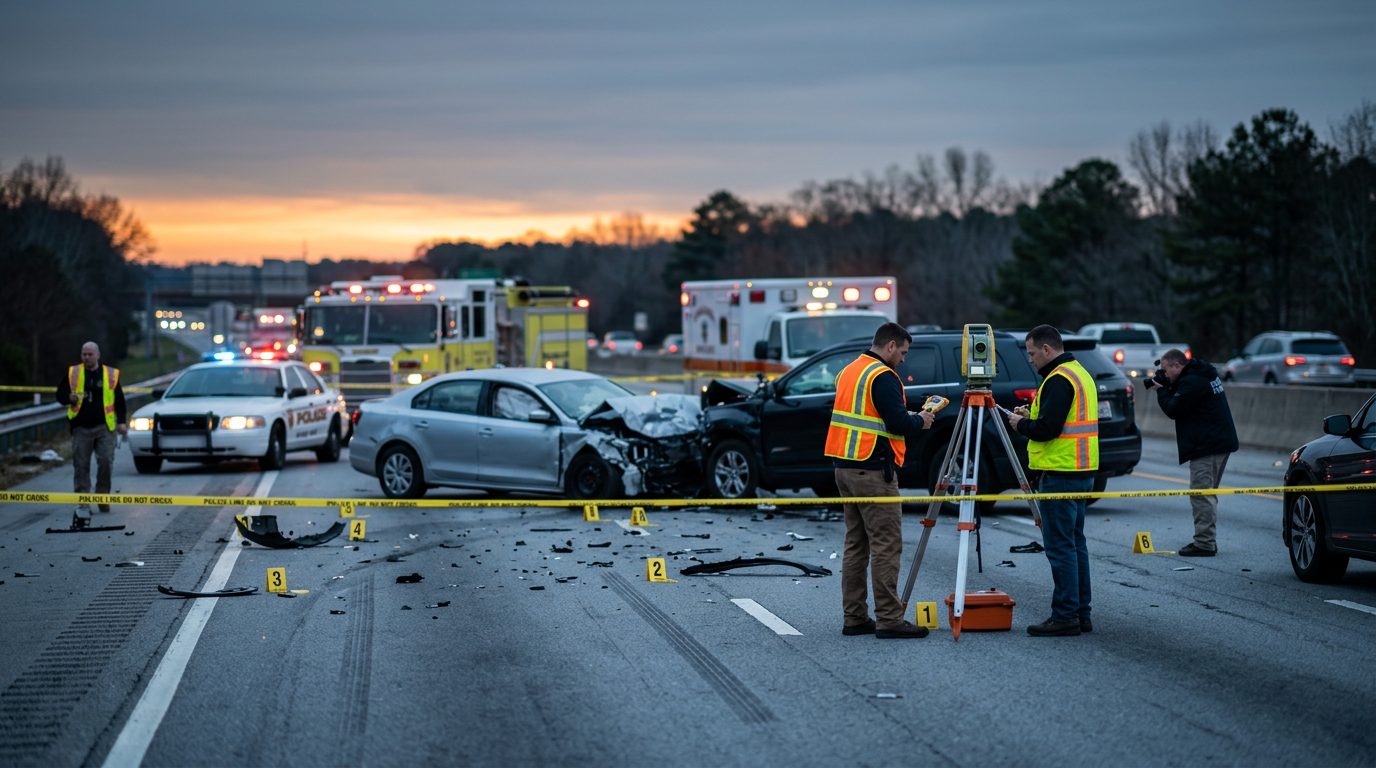
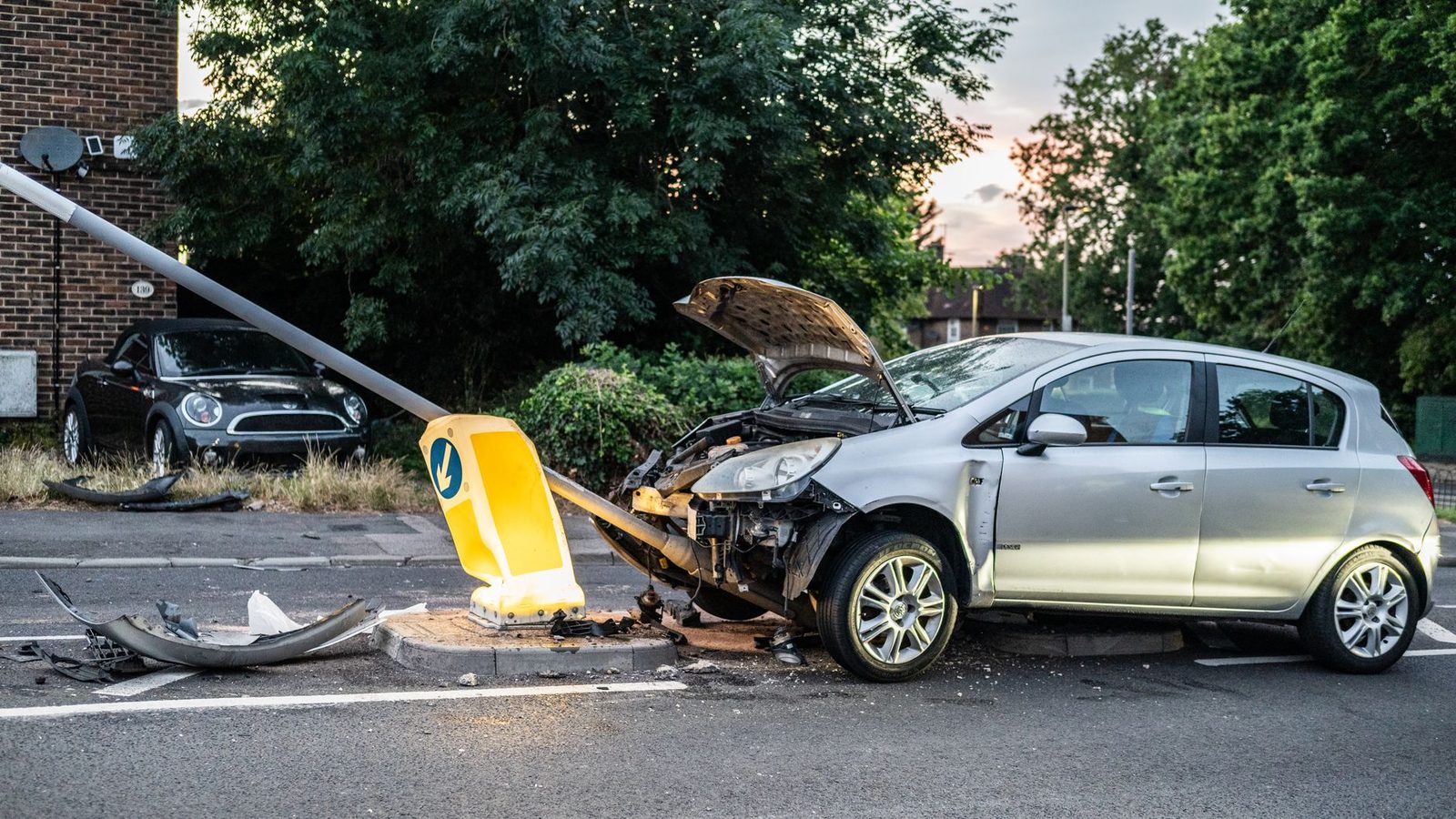
In Georgia, wrongful death claims can arise from car accidents, truck accidents, motorcycle accidents, pedestrian accidents, dog bites, unsafe property conditions, nursing home abuse, and other situations where negligence causes death.
How Negligence Becomes a Wrongful Death Claim
When negligence results in death instead of injury, the claim shifts from a personal injury claim to a wrongful death claim. The same four elements of negligence must still be proven—but the damages are measured differently because the harm is death.
In a car accident, a driver who causes a crash through negligence may face a personal injury claim if the victim survives. If the victim dies, the claim becomes a wrongful death claim. The same negligence is at the heart of both; the outcome determines the type of claim and the damages available.
Proving Negligence in Wrongful Death Cases
Wrongful death cases require proving all four elements of negligence to a judge or jury. The strength of a case depends on the specific facts: the clarity of the defendant’s duty, the strength of evidence showing a breach, the directness of the causal link to death, and the documentation of family losses.
Cases involving clear negligence may be more straightforward. A driver running a red light and striking a pedestrian presents obvious duty, breach, and causation. Cases involving complex causation or shared responsibility may be more complicated. An experienced attorney can evaluate the evidence and advise on the realistic path forward for your specific situation.
Not sure what your next step is?
Talk it through with our team — the first consultation is free, confidential, and carries no obligation.
Comparative Negligence in Wrongful Death Cases
Georgia follows a comparative negligence rule: if the deceased person was partly at fault for the accident, the family’s recovery may be reduced proportionally. For example, if a pedestrian was jaywalking when struck by a negligent driver, the pedestrian might be found 20% at fault, reducing the family’s recovery by 20%.
However, Georgia law provides that if the deceased person is found more than 50% at fault, the family cannot recover. Understanding how comparative negligence might apply to your situation requires careful review of the facts and evidence available.
Negligence in Different Types of Wrongful Death Cases
Negligence takes different forms depending on the type of accident or incident:
Car, truck, and motorcycle accidents. Negligence often involves speeding, distracted driving, impaired driving, or failure to follow traffic laws.
Pedestrian accidents. Negligence may involve a driver’s failure to yield or a property owner’s failure to maintain safe pedestrian areas.
Dog bites. Negligence occurs when an owner fails to control or properly restrain a known dangerous dog.
Premises liability and slip-and-fall. Negligence involves a property owner’s failure to maintain safe conditions or warn of hazards.
Nursing home abuse. Negligence includes failure to provide proper care, supervision, or medical attention.
What Happens Next
Gathering evidence early is important: medical records, accident reports, witness statements, and documentation of the family’s losses. Georgia has a statute of limitations—a deadline for filing a wrongful death claim—so timing matters when pursuing legal recourse after a death caused by someone else’s negligence.
An attorney can review the circumstances, explain whether the elements of negligence appear to be present, and discuss what compensation might be available. Many families find it helpful to speak with a lawyer early, even while they are still processing their loss, to understand their options and protect their rights.
Frequently Asked Questions
What are the four elements of negligence?
Duty (the defendant owed a legal duty of care), breach (the defendant failed to meet that standard), causation (the breach directly caused the harm), and damages (actual losses resulted).
Can a family recover if the deceased person was partially at fault?
Yes, under Georgia’s comparative negligence rule, but the recovery is reduced by the percentage of fault assigned to the deceased—and if the deceased is found more than 50% at fault, the family cannot recover.
What damages can a family recover in a wrongful death claim?
Damages may include the deceased person’s medical and funeral expenses, lost wages and earning potential, loss of companionship and guidance, and the family’s emotional suffering.
What is the statute of limitations for filing a wrongful death claim in Georgia?
Georgia has specific deadlines for filing wrongful death claims. Learn more about Georgia’s statute of limitations for wrongful death to understand your timeline and act promptly.
Does the defendant have to intend to cause harm for it to be negligence?
No. Negligence is about failing to act with reasonable care, not about intention. A driver who causes a fatal crash while texting is negligent even though they never intended to harm anyone.
If someone you love died because of another person’s careless actions or failure to act, you’re likely facing difficult questions about responsibility and what comes next. Families in metro Atlanta and across Georgia navigating this situation often reach out to understand what negligence means in their case and whether a wrongful death claim may be available.
Contact us for a free case review—we can listen to what happened and help you understand your options.
The Four Elements of Negligence
Duty
The defendant owed you or the deceased a legal duty of care—for example, a driver's duty to follow traffic laws, or a property owner's duty to maintain safe premises.
Breach
The defendant failed to meet that standard of care through action or inaction—such as speeding, distracted driving, or failing to repair a known hazard.
Causation
The breach directly caused the harm. The injury or death would not have occurred but for the defendant's negligent conduct.
Damages
Actual losses resulted—medical bills, lost wages, pain and suffering, or in a wrongful death case, funeral expenses and loss of companionship.
Georgia's Comparative Negligence Rule
Even if the deceased person was partially at fault, Georgia law may still allow recovery. Your claim's value will be reduced by the percentage of fault assigned to the deceased, but you are not barred from recovery unless the deceased was more than 50% at fault.
Negligence vs. Wrongful Death: Key Differences
Negligence Claims
Brought by an injured person during their lifetime for medical expenses, lost income, pain and suffering, and other personal losses. The injured party controls the claim and receives any recovery.
Wrongful Death Claims
Brought by the deceased's estate or family members after death. Recovery covers funeral and burial costs, loss of financial support, loss of companionship, and mental anguish—but only the named beneficiaries or estate receive the award.
How Slam Dunk Attorney Can Help
Clear Explanation of Your Rights
We explain whether your situation is a negligence claim, a wrongful death case, or both—and what Georgia law allows you to recover.
Thorough Investigation
We gather evidence, interview witnesses, and work with experts to establish each element of negligence and build a strong case.
Transparent Communication
We keep you informed every step of the way and answer your questions in plain language, never legal jargon.
Compassionate Representation
We understand the pain of injury or loss. Our goal is to help you and your family move forward with fair compensation.
Common Negligence & Wrongful Death Scenarios We Handle
Car, Truck & Motorcycle Accidents
Whether you were injured or lost a loved one in a collision, we investigate the at-fault driver's conduct and pursue compensation for your losses.
Pedestrian Accidents
Drivers have a duty to watch for pedestrians. If a driver's negligence caused injury or death, we hold them accountable.
Dog Bites & Animal Attacks
Property owners are responsible for controlling dangerous animals. We pursue claims for medical costs, scarring, and emotional trauma.
Premises Liability & Slip-and-Fall
Property owners must maintain safe conditions. If negligent maintenance or failure to warn caused your injury, we seek recovery.
Negligent Security
Businesses and landlords must provide reasonable security. If inadequate security led to assault or injury, we hold them liable.
Nursing Home Abuse & Neglect
Facilities have a duty to protect residents. We pursue claims for abuse, neglect, and wrongful death in care settings.
About Fees
We represent clients on a contingency basis: no fees unless there is a recovery. You may still owe certain case costs, which we'll discuss with you upfront.
Ready to Discuss Your Negligence or Wrongful Death Claim?
Related practice areas
- Motorcycle Accident Lawyer Lawrenceville, Johns Creek