
Premises Liability | Duluth, Georgia
What Is a Slip, Trip and Fall? A Georgia Guide
Slip, trip and fall injuries can happen in stores, apartments, parking lots and other properties. Here is a plain-language guide to what they are and how they can affect your life.
By Peter F. Jaraysi · Published October 27, 2026
What is a slip trip and fall? A slip happens when your foot loses its grip. A trip happens when your foot catches on something. A fall is what happens when your body hits the ground after either one. These words describe what happened to the body, not who is to blame.
If you’re reading this after a fall, you may still be sore, worried, or trying to help someone you love. This guide explains the terms, the common causes, what Georgia law says about property owners, and the steps that matter next. It is general information, not legal advice.
What is a slip, trip, and fall?
A slip, trip, and fall is a way of describing how a person ends up on the ground. Each word names one part of the sequence.
A slip starts with too little friction between the shoe and the walking surface. Water, oil, a freshly waxed floor, or polished tile can cause one. The foot slides out from under you.
A trip starts when the foot strikes something. A raised threshold, a cord, a curled rug, or a cracked sidewalk can do it. The foot stops, but the upper body keeps moving, and you pitch forward or sideways.
A fall is the result. Your balance fails, and you land on the ground or against something hard. A fall can follow a slip, a trip, or both.
In everyday legal and insurance talk, people group these as “slip and fall” or “trip and fall” cases. These cases usually happen on property someone else owns or controls, such as a store, an apartment complex, or a parking lot. The terms describe the physical event. They don’t say who was careless.
If a fall has left you hurt or left you worried about a parent, we're ready to listen and help you sort out what comes next. Talk it through with our team — the first consultation is free, confidential, and carries no obligation.

Slip versus trip: how to tell them apart
A slip and a trip differ in where the problem starts. A slip starts with lost traction under the foot. A trip starts with the foot hitting an object or an edge.
Picture a grocery store entryway that was just mopped. A shopper steps onto the wet tile, her shoe slides, and she goes down. That’s a slip. Now picture another shopper who catches a toe on a raised metal strip at a flooring change. That’s a trip.
Some falls involve both. You might slip on a wet patch, then catch your heel on a curb while you try to recover. The sequence matters because it shapes how the fall is described to a doctor and in any later report.
When you describe a fall, stick to what you clearly remember. Say what you saw and felt. Don’t guess about details you didn’t see, such as what was on the floor before you arrived. Specific, honest details help more than a neat story.
Common causes of slip, trip, and fall accidents
Most falls come from a short list of hazards. On indoor floors, the common ones include wet or recently mopped surfaces, spilled drinks, food on the floor, and freshly waxed tile.
Trip hazards are often small. Torn or bunched carpet, loose mats, raised thresholds, damaged tile, and uneven steps catch feet. Outdoors, cracked sidewalks and potholes in parking lots cause many trips.
Other causes include poor lighting, boxes or merchandise left in aisles, and missing or broken handrails. Ice and snow on walkways also cause falls, especially when the owner has not cleared them.
A visible hazard, like an obvious puddle, is different from a hidden one, like a crack under a rug or a slick spot that looks dry. Both kinds can come up when a fall is reviewed. The details of each one matter.
Who is most at risk of a slip, trip, or fall?
Anyone can fall, but some people face higher risk. Older adults often have slower reactions and changes in balance or vision. A fall can cause more serious injury for them. That’s why adult children and caregivers often look for answers after a parent falls.
Children run, climb, and move quickly, so they trip more often in some settings. People carrying heavy loads can’t see their feet well. People using walkers, canes, or wheelchairs face tricky surfaces. People distracted by phones or bags may miss a step or a ledge.
These risk factors describe patterns, not blame. A fall doesn’t mean the person who fell was careless. If you’re gathering details for a parent or friend, that’s a hard role. It’s normal to feel overwhelmed.
How property owners are expected to prevent these falls
Georgia law says an owner or occupier who invites people onto its property must use ordinary care to keep the premises and approaches safe. O.C.G.A. § 51-3-1 makes an owner or occupier liable for injuries caused by its failure to exercise ordinary care in keeping the premises and approaches safe.
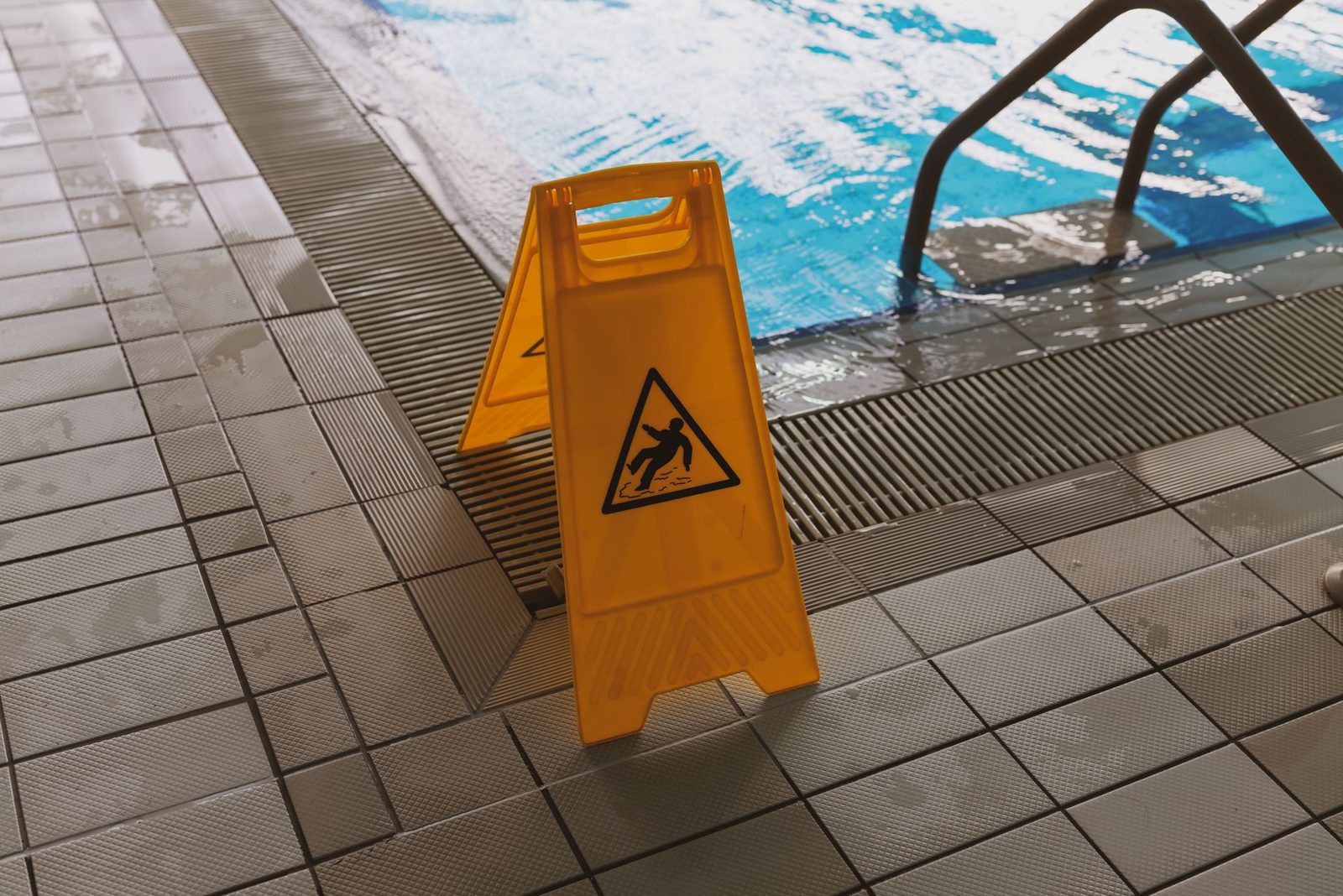
Reasonable steps look like this. Clean spills quickly. Use wet-floor signs. Repair damaged flooring and pavement. Keep lights working and aisles and walkways clear. Clear ice and snow from outdoor areas. Georgia’s state guidance on falls and trips lists similar practices, including Georgia fall and trip prevention training and its Georgia DOAS slip-and-fall guidance on housekeeping, removing obstructions, and addressing spills.
What counts as reasonable care depends on the facts. Two stores can have different floors, different traffic, and different records. Answering the question takes a close look at that specific place and what was done about the hazard.
Common injuries from a slip, trip, or fall
Falls cause a wide range of injuries. Broken wrists, hips, and ankles are common. So are sprains, strains, bruises, and cuts. Back and neck injuries can follow a hard landing.
Head injuries deserve special attention. A person may hit their head without feeling that it was a hard hit. Tell your doctor about any blow to the head, even one that seemed minor.
Some falls lead to serious, long-term injuries, including spinal cord injuries. Whether an injury is serious is a medical question. A doctor answers it through exams and tests, not from the fall alone.
Get medical care after any fall, even if you feel okay at first. Early medical records create a clear picture of what happened and when. Keep copies of visit notes, and follow the treatment plan you’re given.
Not sure what your next step is?
Talk it through with our team — the first consultation is free, confidential, and carries no obligation.
What to do after a slip, trip, or fall
Start with your health. Get medical attention first, and tell the provider exactly how and where the fall happened. Then protect the facts while they’re fresh.
- Report it. Tell the property owner or manager, and ask that the report be written down. Note any incident report number you receive.
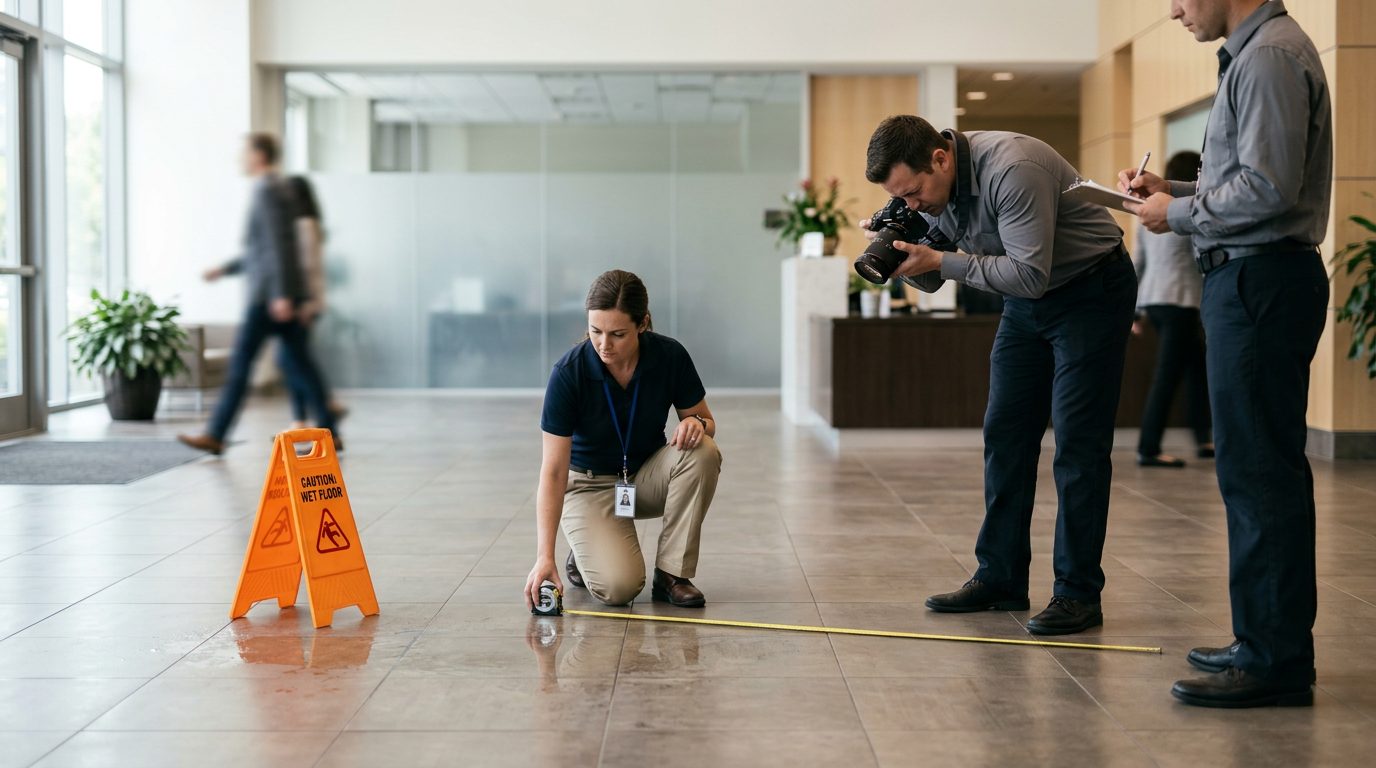
- Document the scene. Take photos of the hazard, the area around it, your footwear, and any visible injury as soon as it’s safe. Write down the date, time, and lighting.
- Collect names. Get the names and phone numbers of anyone who saw the fall.
- Keep receipts. Save bills, prescription receipts, and records of trips to appointments.
- Keep a daily log. Note your pain, symptoms, missed work, and tasks you can’t do.
Slow down before giving any recorded statement to an insurance adjuster. Stick to facts you know, and don’t guess at details.
Georgia time limits and your next step
Georgia law generally gives two years to file a lawsuit for injuries to a person. The clock starts when the claim arises. O.C.G.A. § 9-3-33 requires actions for injuries to the person to be brought within two years after the right of action accrues, except as otherwise provided in this article. A written claim to the city’s governing authority is due within six months of the event. O.C.G.A. § 36-33-5
Georgia also uses shared-fault rules. Your damages are reduced by your percentage of fault. If you are 50 percent or more responsible, you cannot recover damages. O.C.G.A. § 51-12-33 addresses how fault is divided when more than one person may have contributed to an injury.
Frequently asked questions
What is the difference between a slip and a trip?
A slip is losing grip under the foot. A trip is the foot hitting something that stops it.
How long do you have to file a slip and fall claim in Georgia?
Georgia generally allows two years from when the claim arises for injuries to a person.
Does Georgia use comparative fault?
Yes. Damages are reduced by your share of fault, and you cannot recover if you are 50 percent or more responsible (O.C.G.A. § 51-12-33; Quynn v. Hulsey (2020)).
If you were hurt on someone else’s property, or you’re worried about a parent’s fall, you don’t have to sort this out alone. Slam Dunk Attorney offers a free, confidential first consultation with no obligation to continue. Contact us to talk about your situation.
This page is general information, not legal advice. Responsible lawyer: Peter F. Jaraysi, Slam Dunk Attorney, Duluth, Georgia. Use the contact page for contact information.
How Our Firm Can Help
Plain-Language Answers
We explain your options clearly, without legal jargon, so you can make informed decisions at your own pace.
Focused on Injury Claims
Our lawyers focus on personal injury matters, including premises liability cases like slip, trip and fall incidents.
Serving Metro Atlanta and Georgia
Based in Duluth, Georgia, we represent injured people across metro Atlanta and throughout the state.
Compassionate Support
We understand that an injury can disrupt work, family and daily routines. We aim to listen first and to treat every client with respect.
Get Medical Care First
Some injuries from a fall, such as head injuries, back or neck injuries, and fractures, may not be obvious right away. Seeing a medical provider promptly protects your health and creates an important record of your injuries.
Common Slip, Trip and Fall Settings
Retail and Grocery Stores
Wet floors, spilled products, loose mats and cluttered aisles are frequent causes of falls in stores.
Restaurants and Entertainment Venues
Slippery floors, uneven steps and poorly lit areas can create hazards for customers and guests.
Apartments and Residential Buildings
Broken stairs, damaged handrails, icy walkways and poor lighting in common areas can lead to serious falls.
Parking Lots and Walkways
Potholes, cracked pavement, uneven surfaces and unmarked changes in elevation can cause trips and falls.