

Injury Claims | Duluth, Georgia
Will Surgery Increase My Settlement?
A plain-language guide for Georgia accident victims weighing surgery and treatment, and wondering how those decisions affect their claim.
By Peter F. Jaraysi · Published November 1, 2026
Will Surgery Increase My Settlement? How Treatment Affects a Georgia Injury Claim
Will surgery increase my settlement? Not on its own. Surgery changes the medical record, and that record shapes how a claim is valued. If you or a family member has been told surgery is needed after a fall in Georgia, this page explains what gets counted, what can weaken a claim, and where medical liens fit.
If surgery is now part of your injury after a fall, you don't have to weigh those choices alone. Our team can talk through how it may fit your situation. Talk it through with our team — the first consultation is free, confidential, and carries no obligation.
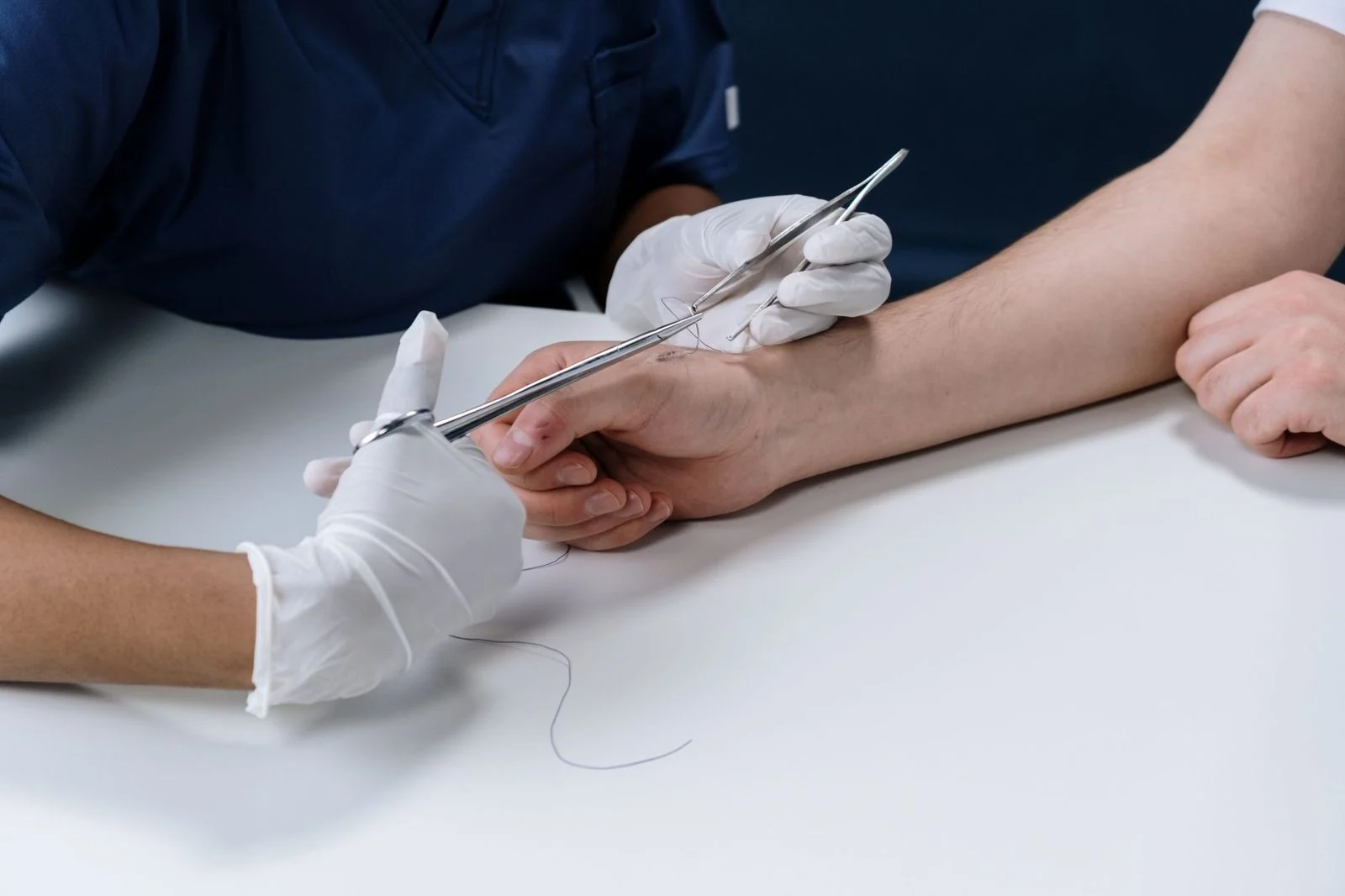
Short answer: surgery does not automatically raise a settlement
Surgery is not a switch that adds money to a claim. The insurer or court looks at what the surgery shows about the injury and the losses it caused. Two people can have the same procedure and end up with very different claims. The accident, the medical records, and the link between the fall and the treatment all make a difference.
That is why this page focuses on facts rather than promises. Whether surgery changes your claim depends on the facts of your case. The sections below explain the factors involved.
Surgery is one part of the bigger picture. Our slip and fall lawyer Georgia guide walks through how these claims generally move, from the first steps to a possible lawsuit. Read this page alongside it.
How surgery becomes evidence of injury severity
A surgery that is completed creates a paper trail. The operative report, imaging, and hospital records describe what the surgeon found and what was repaired. These records often give the clearest picture of how serious the injury was. Surgeons write in clinical terms, and that language is what a claim file leans on.
A surgery recommendation is different from a finished procedure. A note that says surgery may be needed shows a doctor’s concern. A completed operation, followed by recovery notes, shows the injury was treated and how it progressed. Both matter, but they carry different weight.
Keep copies of everything. Ask for discharge summaries, imaging reports, and any letters your physician writes about the injury and how it happened. These papers show the path from the fall to the operating room and into recovery. Missing pages make that path harder to follow.
Which costs and losses surgery can add to the claim
Under Georgia law, general damages are those the law presumes to flow from a tortious act and may be recovered without proof of any amount, while special damages are those that actually flow from a tortious act and must be proved to be recovered (O.C.G.A. § 51-12-2). The bills for the operation are special damages. Special damages “actually flow from a tortious act” and “must be proved in order to be recovered” (O.C.G.A. § 51-12-2). That means receipts and records have to back up each charge.
Georgia law allows recovery of necessary expenses that follow from an injury (O.C.G.A. § 51-12-7). Medical charges are limited to “the reasonable value of medically necessary care, treatment, or services” (O.C.G.A. § 51-12-1.1).
Future care follows the same logic. Follow-up visits, therapy, medication, or a later procedure can be part of the claim as medically necessary care, treatment, or services, limited to their reasonable value. Georgia law lets the fact finder reduce future economic losses to present value, using a 5 percent discount rate or any other rate the fact finder deems appropriate (O.C.G.A. § 51-12-13).
Lost income is another piece. Time away from work and reduced ability to earn can be shown through employer records and medical work restrictions. Pain and changes to daily life are harder to measure. Georgia law says that an injury capable of being estimated in money is generally compensated in money, but if an injury is small or the mitigating circumstances are strong, nominal damages only are given (O.C.G.A. § 51-12-4).
How timing, treatment gaps, and records affect value
Timing matters because a claim reviewer will look at how quickly care started after the fall. Treatment that began promptly and continued steadily is easier to connect to the accident. Long gaps or missed follow-up visits invite questions about how serious the injury was.
A surgery scheduled months after the incident needs clear medical notes that tie it to the original fall. Ask your doctor to write down how the injury happened and why surgery was needed. Those notes do the connecting work.
Bills also come with a rule about which amount counts. If you have any form of public or private health insurance, including benefits under a governmental workers’ compensation program, the evidence includes both the amounts charged and the amounts actually needed to satisfy those charges under the insurance contract or program, even if the insurance was not used (O.C.G.A. § 51-12-1.1).
Organize records as you go. Keep appointment notes, prescriptions, receipts, and a simple log of mileage to medical visits. A clear timeline is easier to present and easier to check.
How the type of surgery and recovery shape the claim
The type of surgery shapes which records a claim needs. Each kind of procedure leaves its own trail.
Orthopedic work, such as joint repair, fracture fixation, or ligament surgery, is usually documented through imaging and surgical reports that show the structural injury. Spinal surgery is different. When a fall leads to spinal cord injury or paralysis, the care plan often runs for years, and the records describe that plan in detail.
Brain surgery after a traumatic brain injury carries its own medical notes and recovery timeline. Reconstructive or plastic procedures after severe burns or scarring do too. Amputation and prosthetic care bring ongoing costs that physicians and prosthetists record over time.
Outcomes vary from person to person. Two people with the same procedure can heal at very different rates. That is why the medical record of recovery matters as much as the operation itself. A clear record of progress, setbacks, and daily limits shows the real effect of the injury.
Not sure what your next step is?
Talk it through with our team — the first consultation is free, confidential, and carries no obligation.
Medical liens and what you keep from a settlement
A medical lien is a provider’s or health plan’s right to be repaid from a settlement. Surgery can make that question bigger because the bills are larger. Lien questions usually need to be sorted out before funds are paid out.
Georgia law looks closely at one common arrangement. A letter of protection is a promise that a provider will be paid from a settlement or judgment.
Keep the gross settlement and the net amount separate in your mind. The gross is the total agreed. The net is what remains after liens and case costs are handled. A fuller explanation is in our medical liens guide.
Where the property visit fits into a surgery claim
Why you were on the property changes what the owner owed you. Georgia law treats an invitee and a licensee differently. An invitee is someone the owner invited or led onto the property for a lawful purpose. The owner must use ordinary care to keep the premises and approaches safe (O.C.G.A. § 51-3-1).
A licensee is someone allowed on the property merely for their own interests, convenience, or gratification. The owner is liable to a licensee only for willful or wanton injury (O.C.G.A. § 51-3-2). That is a much higher bar.
Fault matters too. If the injured person is partly responsible, damages are reduced in proportion to that share. A person who is 50 percent or more responsible recovers nothing (O.C.G.A. § 51-12-33). Surgery does not change this question. The medical record and the property status are separate issues, and both shape the claim. Our invitee or licensee guide explains the difference in more detail.

Talk with our team about your surgery and your claim
Our team can talk with you about how a surgery fits into your situation. Being told surgery is needed after a fall is stressful. Many people reading about this are doing it for a parent, spouse, or child. You don’t have to sort out the medical and legal questions on your own.
Our team is based in Duluth, Georgia, and represents people across metro Atlanta and Georgia. The Duluth slip and fall page has local details.
Will surgery increase my settlement?
Surgery does not automatically raise a settlement. It can change the medical record and the losses a claim documents.
Are future surgery costs included?
They can be, when a physician documents the need. Georgia law lets the fact finder reduce future economic losses to present value, using a 5 percent discount rate or any other rate the fact finder deems appropriate (O.C.G.A. § 51-12-13).
How long do I have to file?
Georgia generally allows two years to file a personal injury lawsuit under O.C.G.A. § 9-3-33, as quoted in a Georgia Court of Appeals opinion. The statute makes exceptions: loss of consortium actions must be brought within four years, and injuries to reputation within one year.
What if I was partly at fault?
Damages are reduced in proportion to your share of fault. You recover nothing if you are 50 percent or more responsible (O.C.G.A. § 51-12-33).
If surgery is on your calendar after a fall, you can reach out for a free, confidential consultation with no obligation to continue. Use our contact page to start the conversation.
Disclaimer: This page is general information, not legal advice. Responsible lawyer: Peter F. Jaraysi, Slam Dunk Attorney, Duluth, Georgia. Contact: slamdunkattorney.com/contact-us.
What Surgery Can and Cannot Change
It changes the medical record
Surgery adds diagnoses, procedures, and physician notes that document how your injury affected your health.
It documents your losses
Recovery time, ongoing limitations, and changes to daily life are often central to how a claim describes your harm.
It does not automatically raise a value
Surgery alone does not set a settlement amount. Each claim depends on its own facts, records, and evidence.
Timing matters
Decisions made early in treatment can shape the records that exist later, so it helps to understand the options before you act.
Health Comes First
Medical decisions belong with you and your doctor, not with your claim. Follow your physician's advice, keep every appointment record, and tell your lawyers about any recommended procedure.
Common Questions About Surgery and Claims
Are future surgery costs included?
They can be considered when a physician documents the medical need for future care. Our lawyers can review your medical file and explain how it applies to your situation.
Should I delay surgery to protect my claim?
Your health should drive the timing of any procedure. Talk with your doctor about your options, and bring those questions to a consultation with our team.
Does a recommended surgery always mean a larger claim?
Not necessarily. A recommendation is one part of the picture. Insurers and courts look at the full medical history, records, and how the injury affects your life.
What if I already had surgery?
Past procedures still matter. Gather the discharge papers, bills, and follow-up notes, and share them with us so we can review the complete record.
Talk With Our Team About Your Injuries. Our First Consultation Is Free, Confidential, and Comes With No Obligation to Continue.
Related practice areas
- Does Georgia Have a No-Fault Law for Car Accidents?