
Slip and Fall | Duluth, Georgia
Hurt at a Restaurant? Act Early to Protect Surveillance Video
A plain-language guide for Georgia diners and visitors injured on restaurant property, with practical steps you can take right away.
By Peter F. Jaraysi · Published November 9, 2026
If you slipped and fell at a restaurant, the surveillance video and paperwork that show what happened may not last. Camera systems often record over older footage. Cleaning logs can be discarded during routine work. Here is how a lawyer approaches these records, and what you can do right away.
How can a lawyer obtain restaurant surveillance video and maintenance or cleaning records before they are overwritten or discarded?
A lawyer sends a written preservation request to the restaurant and its insurer as early as possible. Then the lawyer makes formal requests for the footage and records. Surveillance footage, maintenance logs and incident reports can be important evidence in an injury claim, which is one reason to ask a lawyer early about preserving them.
The restaurant controls its camera system, its files, and its cleaning vendors. Many systems record over older footage on a set cycle, so video from the day of a fall can disappear quickly. Cleaning schedules, spill logs, and maintenance tickets are everyday business records. They can be thrown out in normal cleanup.
That is why timing matters. A preservation request names the date, time, and area of the fall. It asks the business to keep specific categories of evidence. The more precise the request, the clearer it is what the restaurant must hold.
For the wider claim process, read our slip and fall lawyer guide for Georgia.
Not sure what your next step is?
Talk it through with our team — the first consultation is free, confidential, and carries no obligation.
Why does surveillance video matter in a restaurant slip and fall claim?
Surveillance video can show where a hazard was, how long it stayed there, and who walked past it. Those details often bear on the central question: did the restaurant know, or should it have known, about the danger?
Georgia’s premises rule is set out in O.C.G.A. § 51-3-1. An owner or occupier that invites people in, including diners, must use ordinary care to keep the premises and approaches safe. It is liable for injuries caused by failing to do so.
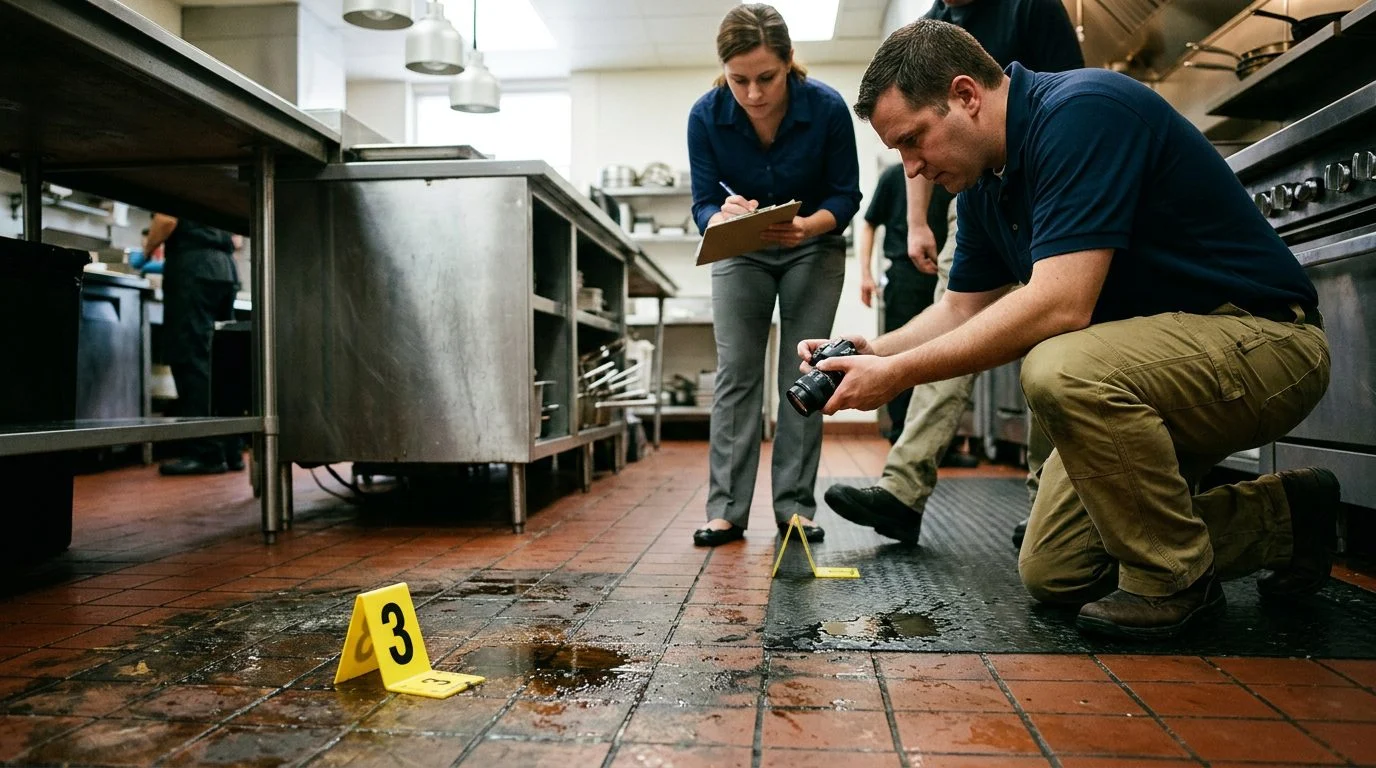
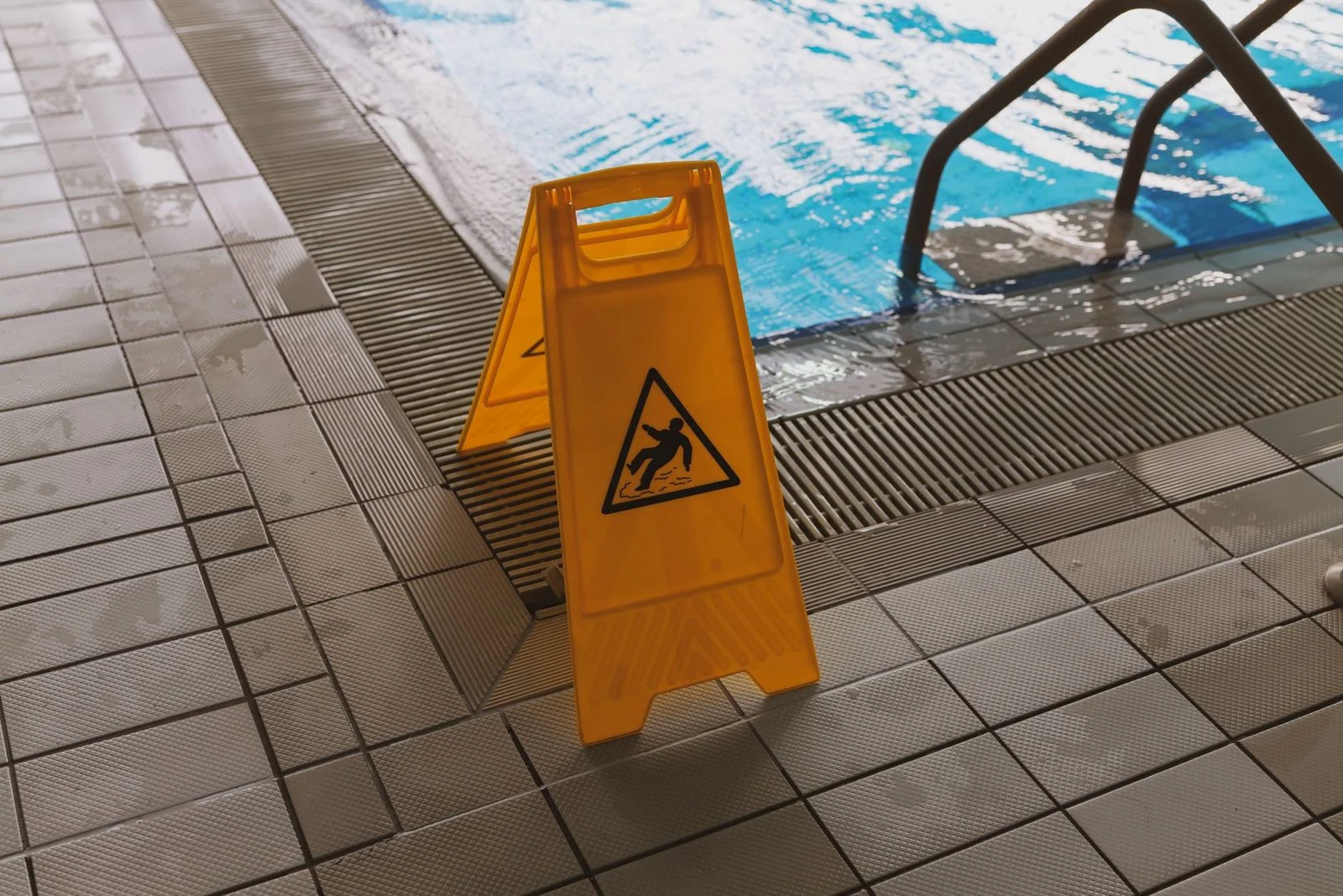
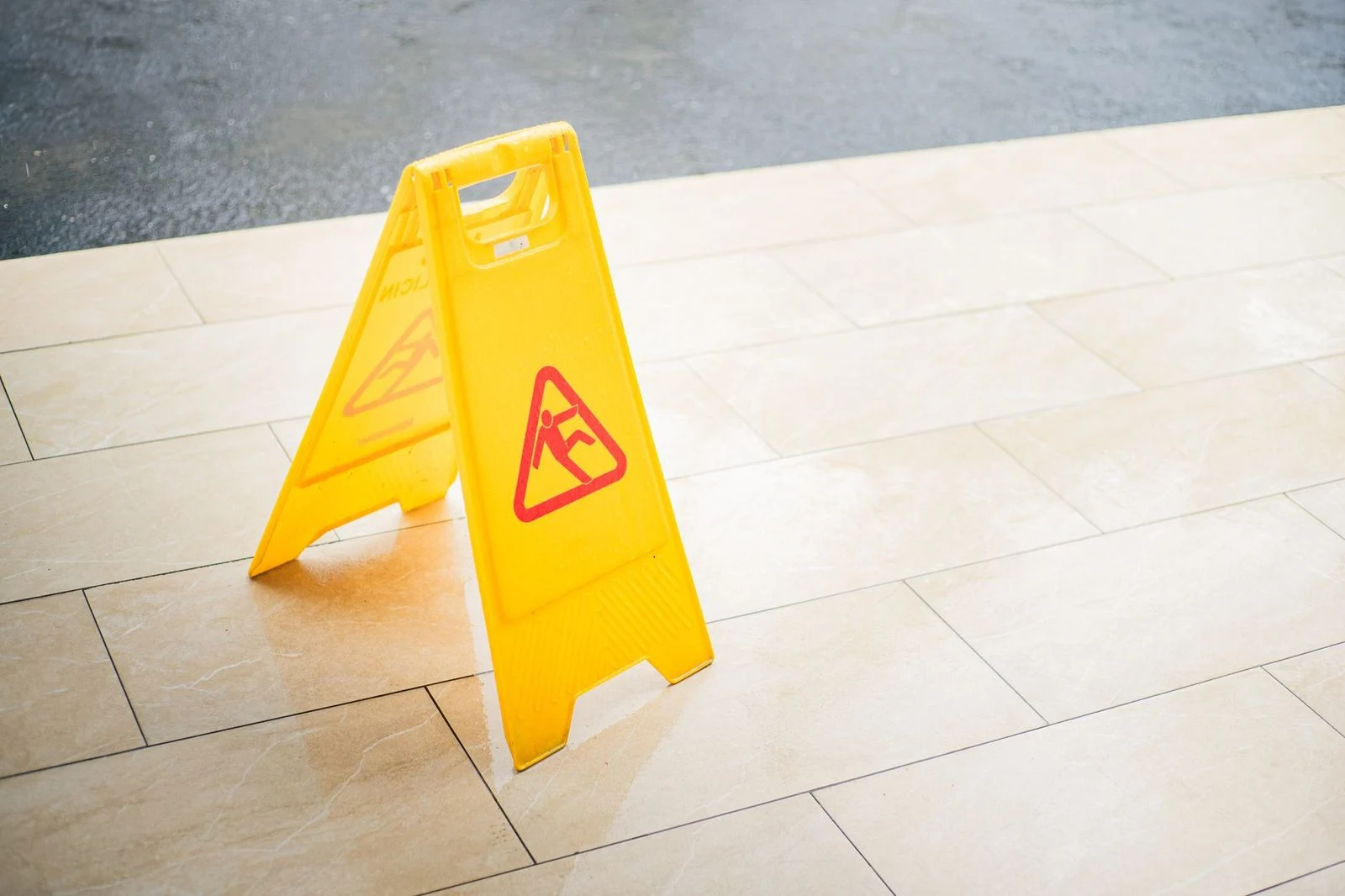
Footage can show a spilled drink or grease sitting for a long stretch. It can show employees passing it without acting. It can also show whether a wet-floor sign or cone was in place. Each of these details speaks to what the restaurant knew and when.
Video cuts both ways. If it shows the injured person was distracted or moving unsafely, that can affect fault. Georgia reduces damages by the injured person’s share of fault. A plaintiff who is 50 percent or more responsible for the injury is not entitled to any damages. That is why a complete copy of the footage matters more than a short clip someone chose to share.
Which records should a lawyer ask the restaurant to preserve?
A lawyer usually asks the restaurant to keep video of the area around the fall, plus the cleaning, maintenance, and incident records tied to that same area and time. The list typically includes:
- Video from the entrance, dining room, bar, restroom hallway, and kitchen exits, covering the time before and after the fall.
- Incident reports, customer injury logs, and written statements from staff or customers.
- Cleaning schedules, spill-response logs, opening and closing checklists, and floor inspection records.
- Maintenance requests and repairs for floors, drains, lighting, and flooring transitions, plus contracts with cleaning or repair vendors.
- Shift schedules showing who was working, wet-floor sign records, and written hazard policies.
Records from before the fall matter too. A floor that was repaired or mopped repeatedly in the period before can show what the owner knew. Georgia’s DAS slip-and-fall guidance lists housekeeping, spill response, and clear walkways as basic prevention steps. That guidance covers offices, but it gives a clear picture of what careful upkeep looks like.
What steps does a lawyer take to preserve evidence before it is lost?
A lawyer sends a written preservation letter first, then follows up with formal requests. Photos, footage and written records of an incident are often most useful when they are gathered and saved soon after it happens.
The preservation letter goes to the owner, the manager, and any insurer the business has named. It identifies the date, time, and location of the fall. It lists the categories to keep, such as video, logs, and vendor records. It asks the business to confirm in writing that it is holding them.
Georgia’s duty to preserve evidence does not wait for a lawsuit. In Phillips v. Harmon, the Georgia Supreme Court explained that the duty arises when litigation is reasonably foreseeable to the party that controls the evidence. A serious fall at a restaurant can make a claim foreseeable. The business may need to keep what it has even before a complaint is filed.
Some of this evidence may be held by companies other than the property owner, so a lawyer can help identify who may have it. How fast video is overwritten varies by business and camera system. Early action is what protects the evidence.
What can someone do now if they or a loved one fell at a restaurant?
Get medical care first. Then write down what happened, keep proof, and ask for an incident report while the details are still fresh. These steps help any later review of the claim.
- Get medical attention, and keep copies of every visit, diagnosis, and treatment plan.
- Write down the restaurant’s name and address, the date and time, what the floor looked like, and the names of staff or witnesses.
- Take photos of the area and of any injury, if it is safe to do so.
- Keep the shoes and clothing worn at the time, without washing or repairing them.
- Ask the restaurant for an incident report and the name of its insurer.
- Avoid recorded statements and signed releases until you have spoken with a lawyer.
- Save every letter, bill, and message from the restaurant or its insurer.
Memories fade, and video can be overwritten. A written timeline made soon after the fall is often more useful than one written weeks later.
How does the Georgia premises liability process begin with a lawyer?
It usually begins with a case review. The lawyer looks at how the fall happened, the injuries, the timeline, and whether footage and records still exist.
The review centers on a few core questions. Did the restaurant know, or should it have known, about the hazard? Was its inspection and cleaning reasonable? Did the injured person’s own conduct contribute? Georgia courts have said an owner is not an insurer of guest safety, so these answers shape the claim (Holston v. Aboebarensi, Inc.).
Timing matters too. Georgia law generally requires personal injury lawsuits to be brought within two years after the right of action accrues, except for injuries to reputation, which must be brought within one year, and loss of consortium claims, which must be brought within four years, under O.C.G.A. § 9-3-33. Waiting can make evidence harder to gather.
A lawyer handles the legal side of the claim. Medical decisions stay with the injured person and their doctors.
Not sure what your next step is?
Talk it through with our team — the first consultation is free, confidential, and carries no obligation.
Talk with a Duluth slip and fall team about your restaurant fall
If someone you care about is hurt after a fall at a restaurant, you may be juggling pain, appointments, and calls from an insurance company. Footage and cleaning records may be on a timer you cannot see. Slam Dunk Attorney, based in Duluth, Georgia, can talk through what happened and what records may still exist. The first consultation is free, confidential, and carries no obligation to continue.
Frequently asked questions
How long does a restaurant keep surveillance video?
Retention varies by business and camera system. Many systems record over older footage, so early action matters.
Can I get restaurant video without a lawyer?
You can ask the restaurant for an incident report and the name of its insurer. A lawyer can send a formal preservation request and follow up in writing.
Does Georgia use comparative fault?
Yes. Georgia reduces damages by the injured person’s share of fault, and a person who is 50 percent or more responsible for the injury cannot recover any damages, under O.C.G.A. § 51-12-33.
Attorney advertising. Peter F. Jaraysi is the responsible lawyer for this page. Slam Dunk Attorney is based in Duluth, Georgia. Contact details are on the firm’s contact page linked above. This page is general information, not legal advice.
How Our Team Can Help
Preservation Requests
We can send a written request asking the restaurant and its insurer to keep surveillance footage and incident records.
Premises Liability Focus
Our work covers slip and fall injuries and other harm caused by unsafe conditions on commercial property.
Clear Communication
We explain each step in plain language so you know what is happening and what comes next.
Attention to Your Recovery
We keep your medical needs at the center of the conversation while we look into what happened.
Act Early
Security video is often recorded over automatically. Note the date, time and location of your fall, and ask staff for an incident report while the details are fresh.
What to Gather Now
Photos and Video
Take pictures of the floor, lighting, spill or hazard, and your footwear if it is safe to do so.
Witness Names
Write down the names and phone numbers of anyone who saw the fall, including other diners or staff.
Medical Records
Keep every visit note, bill and prescription record. These help show how the injury affected your life.
Incident Report
Ask the manager for a copy of any incident report and the name of the business's insurance company.