
Slip and Fall | Rental Properties
Injured in a Slip and Fall at an Apartment or Rental Property in Georgia?
Landlords and property managers have a duty to keep common areas safe. If you were hurt due to negligence, you may have a claim. Slam Dunk Attorney handles slip and fall cases across metro Atlanta and Georgia.
By Peter F. Jaraysi · Published October 09, 2026
If you’ve been injured in a slip and fall at an apartment building or rental property in Georgia, the landlord or property manager may be legally responsible for your injuries. Landlords have a duty to maintain common areas safely and to repair or warn of known hazards—and when they fail, you may have a viable claim for medical expenses, lost wages, pain and suffering, and other damages.
What Is a Slip-and-Fall Claim in an Apartment or Rental Property?
A slip-and-fall claim is a premises liability case arising from an injury caused by a hazardous condition on rental property that the landlord or property manager failed to maintain or warn about. Unlike homeowner liability, landlords and property managers owe specific legal duties to tenants, guests, delivery personnel, and other lawful visitors on their premises.
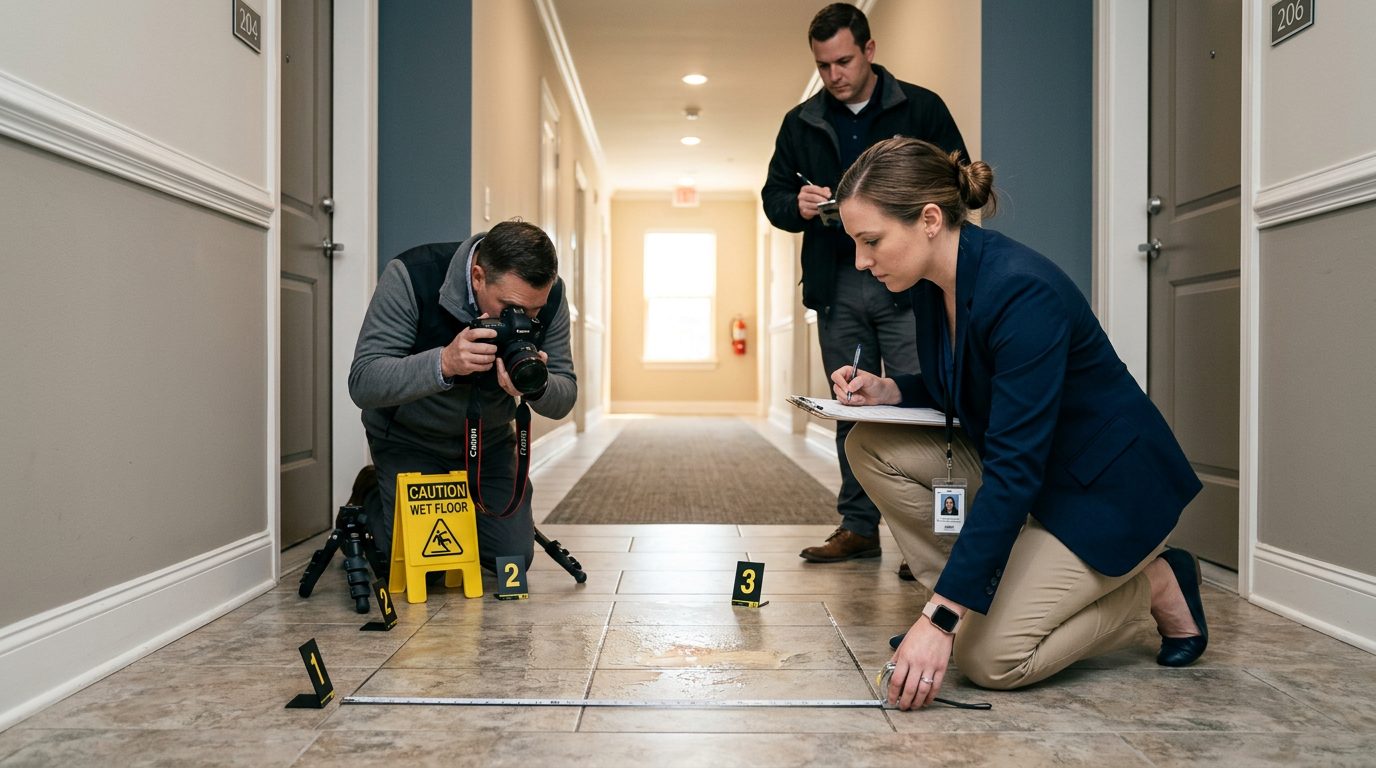
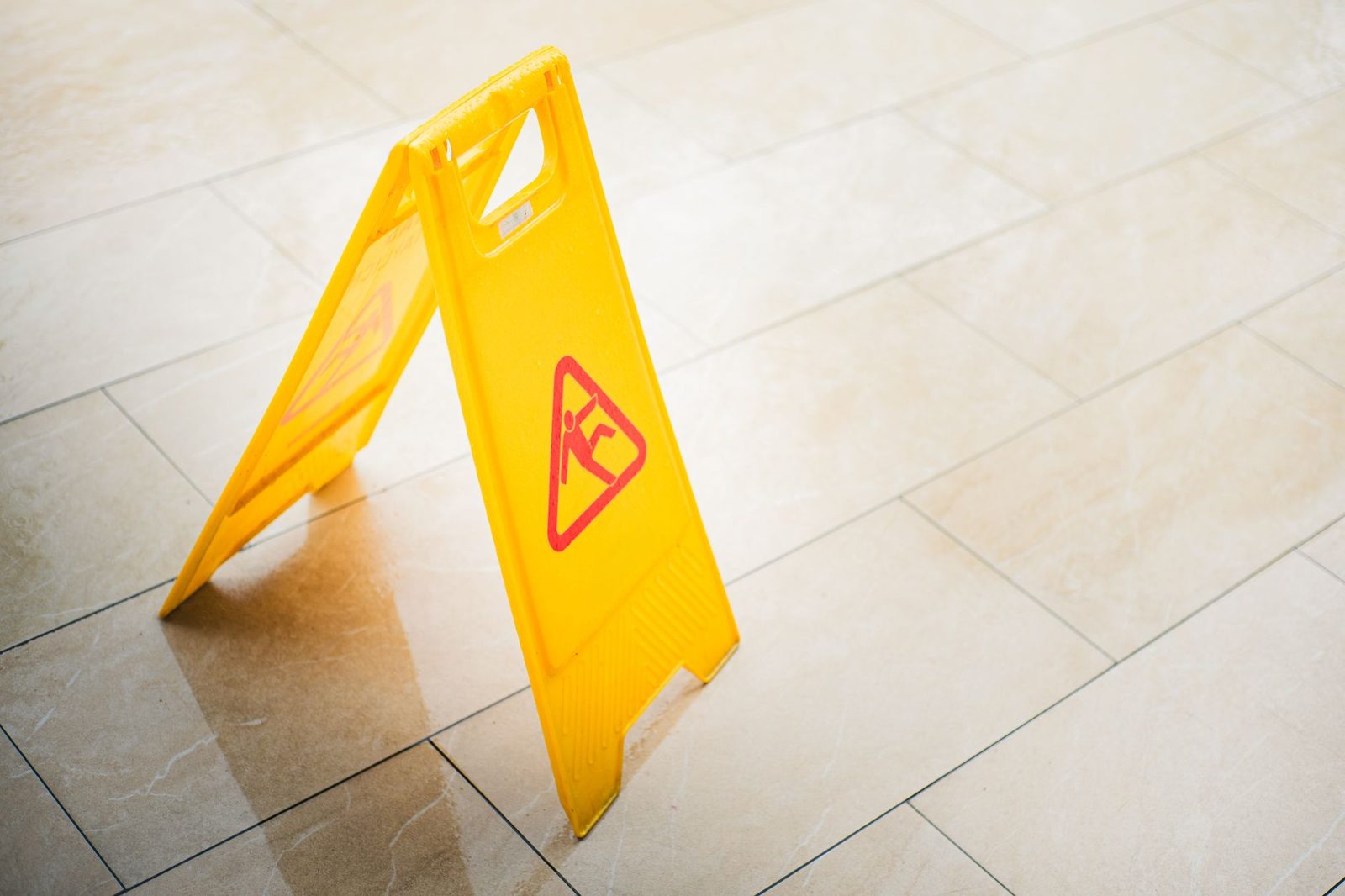
Common scenarios include wet floors without warning signs, broken or uneven stairs, poor lighting in hallways and stairwells, unmaintained walkways, debris left in common areas, and ice or snow that wasn’t removed or salted in a timely manner. If you’re a tenant, a guest of a tenant, or a visitor lawfully on the property when you fell, you may have grounds to file a claim.
If you've slipped and fallen on a rental property's unsafe stairs, wet floor, or broken walkway, you may have a claim against the landlord—and people in your situation can reach out to us for a free case review. Talk it through with our team — the first consultation is free, confidential, and carries no obligation.
What Landlords and Property Managers Owe You Under Georgia Law
Georgia law imposes clear duties on landlords and property managers to keep rental properties safe. These duties include:
- Duty to maintain common areas in safe condition. Shared spaces such as hallways, stairwells, entryways, and parking lots are among the areas where injuries sometimes occur.
- Duty to repair known hazards or warn of them. If a landlord knows about a dangerous condition—a broken step, a leak, a pothole—they must either fix it promptly or warn tenants and visitors clearly.
- Duty to inspect premises regularly. Property owners often carry out inspections to look for and address hazards in shared spaces.
- Duty to maintain adequate lighting. Poor lighting in hallways, stairwells, and entry areas is a common factor in fall injuries.
- Duty to remove or salt ice and snow. In Georgia’s colder months, snow and ice on walkways and stairs can create slippery conditions.
- Duty to maintain handrails and stairs to code. Worn or unstable stairs and railings are a frequent source of fall injuries.
- Duty to maintain negligent security. Landlords must take reasonable steps to prevent foreseeable criminal acts—for example, securing entry doors or lighting outdoor areas.
If you left a toy on a staircase and tripped over it, that’s different from a landlord failing to repair a broken step.
What Your Slip-and-Fall Claim Can Cover
Damages in a slip-and-fall injury case can include:
- Medical expenses: emergency room care, hospitalization, surgery, physical therapy, ongoing treatment, and rehabilitation.
- Lost wages: income you lost while recovering and unable to work, including reduced earning capacity if the injury causes long-term disability.
- Pain and suffering: compensation for physical pain, emotional distress, anxiety, and reduced quality of life.
- Permanent injury damages: if the fall caused lasting disability, disfigurement, or chronic pain, damages reflect that permanent impact.
- Case costs: investigation expenses, expert reports, medical record retrieval, and discovery costs—these are separate from attorney fees and are discussed upfront.
How to Prove a Slip-and-Fall Claim in a Rental Property
To succeed in a slip-and-fall claim, you must establish four key elements:
-
Establish the hazard. Document the exact condition that caused your fall—a wet floor, a broken step, poor lighting, ice on a walkway. Photos taken at the scene are invaluable.
-
Show landlord knowledge or negligence. Prove the property manager knew or reasonably should have known about the hazard. This can come from maintenance records, prior tenant complaints, the age and condition of the property, or the landlord’s failure to inspect.
-
Demonstrate breach of duty. Show the landlord failed to repair the hazard, failed to warn about it, or failed to inspect the property regularly enough to discover it.
-
Link your injury to the hazard. Medical records, testimony, and expert reports must connect your fall directly to the dangerous condition.
-
Prove damages. Gather medical bills, receipts, pay stubs, and expert testimony on the severity and permanence of your injury.
Evidence gathering is critical. Obtain photos of the hazard, the scene, and your injuries while they’re fresh. Collect written witness statements. Request maintenance records from the landlord or property manager. Prior complaints from other tenants about the same hazard strengthen your case significantly.
How the Process Works: What to Expect
Here’s what happens when you bring a slip-and-fall claim to Slam Dunk Attorney:
Step 1 – Free Case Review
You call or request a consultation. We evaluate your injury, the property condition, your account of what happened, and the landlord’s potential liability. There’s no cost and no obligation.
Step 2 – Investigation
We inspect the scene, photograph the hazard, gather maintenance records, interview witnesses, and review your medical records. We don’t rely on your account alone—we build a factual foundation.
Step 3 – Demand Letter
We send a formal written claim to the landlord’s insurance company. The letter details the hazard, the landlord’s breach of duty, your injuries, and the damages you’ve suffered. We calculate a reasonable settlement demand based on your medical expenses, lost wages, and pain and suffering.
Step 4 – Negotiation
We negotiate with the insurance adjuster. Most slip-and-fall claims settle at this stage without going to trial. We work to reach a fair resolution that compensates you fully.
Step 5 – Litigation (if needed)
If the insurer refuses a reasonable settlement, we file a lawsuit and prepare your case for trial. We handle discovery, expert testimony, and courtroom representation.
Timeline: Most slip-and-fall claims take 6 to 18 months to resolve, depending on the complexity of liability, the severity of your injuries, and the defendant’s willingness to settle.
Why Slam Dunk Attorney Handles Apartment and Rental Property Slip-and-Fall Claims
We focus on premises liability claims across Georgia, including slip-and-fall injuries at apartment buildings, rental properties, and other commercial spaces. Here’s what sets us apart:
- Premises liability claims. We handle slip-and-fall and unsafe property claims. We know Georgia landlord-tenant law and the duties property managers owe.
- Local knowledge. Based in Duluth, Georgia, we understand metro Atlanta property management practices, local court systems, and how judges and juries in our region evaluate these cases.
- Thorough investigation. We don’t accept a landlord’s word that a hazard didn’t exist or that you were at fault. We inspect the scene, gather evidence, and build a strong factual record.
- Insurance negotiation. We handle all communication with property liability insurers. We know their tactics and how to counter them.
- No upfront cost. You pay no attorney fees unless we recover compensation for you. We discuss case costs upfront so you know what to expect.
Not sure what your next step is?
Talk it through with our team — the first consultation is free, confidential, and carries no obligation.
Common Questions About Slip-and-Fall Claims in Rental Properties
Am I responsible if I was partially at fault for the fall?
Georgia follows comparative negligence rules (O.C.G.A. § 51-12-33; Quynn v. Hulsey, 310 Ga. 473 (2020)). You can still recover even if you were partly at fault, but your award is reduced by your percentage of fault (O.C.G.A. § 51-12-33; Quynn v. Hulsey, 310 Ga. 473 (2020)). For example, if you were 20% at fault and damages are $10,000, you recover $8,000.
Do I have to report the fall to the landlord right away?
Yes. Notify the landlord or property manager in writing as soon as possible. This creates a record and prevents the landlord from claiming they didn’t know about the hazard. Keep a copy for your records.
How long do I have to file a claim?
Georgia’s statute of limitations for personal injury claims is two years from the date of injury. Don’t wait; evidence fades and witnesses move. Contact us promptly.
What if the apartment building is owned by a large management company?
Large management companies often have insurance and resources to settle claims. We know how to navigate corporate defendants and their insurers to hold them accountable.
Will I have to go to court?
Most slip-and-fall claims settle before trial. However, if the landlord or insurer refuses a fair offer, we are prepared to litigate and take your case to trial.

What to Do Right Now If You’ve Fallen in an Apartment or Rental Property
- Seek medical attention immediately, even if you feel okay. Some injuries appear hours or days later, and a medical record establishes the link between your fall and your injury.
- Take photos of the hazard, the scene, and your injuries while evidence is fresh.
- Get names and contact information from any witnesses who saw you fall or saw the hazard.
- Report the incident to the landlord or property manager in writing. Email works; keep a copy.
- Keep all medical records, receipts, and documentation of lost income and expenses.
- Do not sign anything the landlord or insurer asks you to sign without legal review. Don’t give a recorded statement without an attorney present.
- Contact Slam Dunk Attorney for a free case review.
If you’ve slipped and fallen on a rental property’s unsafe stairs, wet floor, or broken walkway, you may have a claim against the landlord—and people in your situation can reach out to us for a free case review. Request a free consultation today or call us to discuss your case with no obligation.
How Slam Dunk Attorney Can Help
We Handle Premises Liability Claims
Property owners and managers are responsible for maintaining safe conditions. We investigate whether negligence caused your fall and build your case.
We Manage the Legal Process
From gathering evidence and medical records to negotiating with insurance companies, we handle the details so you can focus on recovery.
Free Case Review
Call us to discuss what happened. We'll explain your options and answer your questions at no cost.
Serving Metro Atlanta and Georgia
Based in Duluth, Georgia, we represent injured people throughout the region, including Lawrenceville, Johns Creek, Alpharetta, Marietta, Norcross, Kennesaw, and Dunwoody.
Time Matters in Slip and Fall Cases
Evidence like maintenance records, incident reports, and security footage can disappear. The sooner you contact us, the sooner we can preserve critical information and protect your rights.
What We Look Into
Unsafe Conditions
Wet floors, broken stairs, poor lighting, debris, uneven surfaces, and inadequate handrails—we determine whether the property owner knew or should have known about the hazard.
Negligent Maintenance
Did the landlord or manager fail to inspect, repair, or warn about a dangerous condition? We review maintenance records and policies.
Your Injuries and Damages
We document your medical treatment, lost wages, pain and suffering, and other losses to build the strongest case.
Comparative Negligence
Georgia law allows recovery even if you were partly at fault. We explain how your percentage of fault may affect your claim.