
Premises Liability | Georgia
Restaurant Surveillance Video: Why Maintenance Records Matter After a Fall
Security footage and the records behind it can show what happened at a restaurant. Here is how Georgia families can start protecting that evidence after an injury.
By Peter F. Jaraysi · Published October 26, 2026
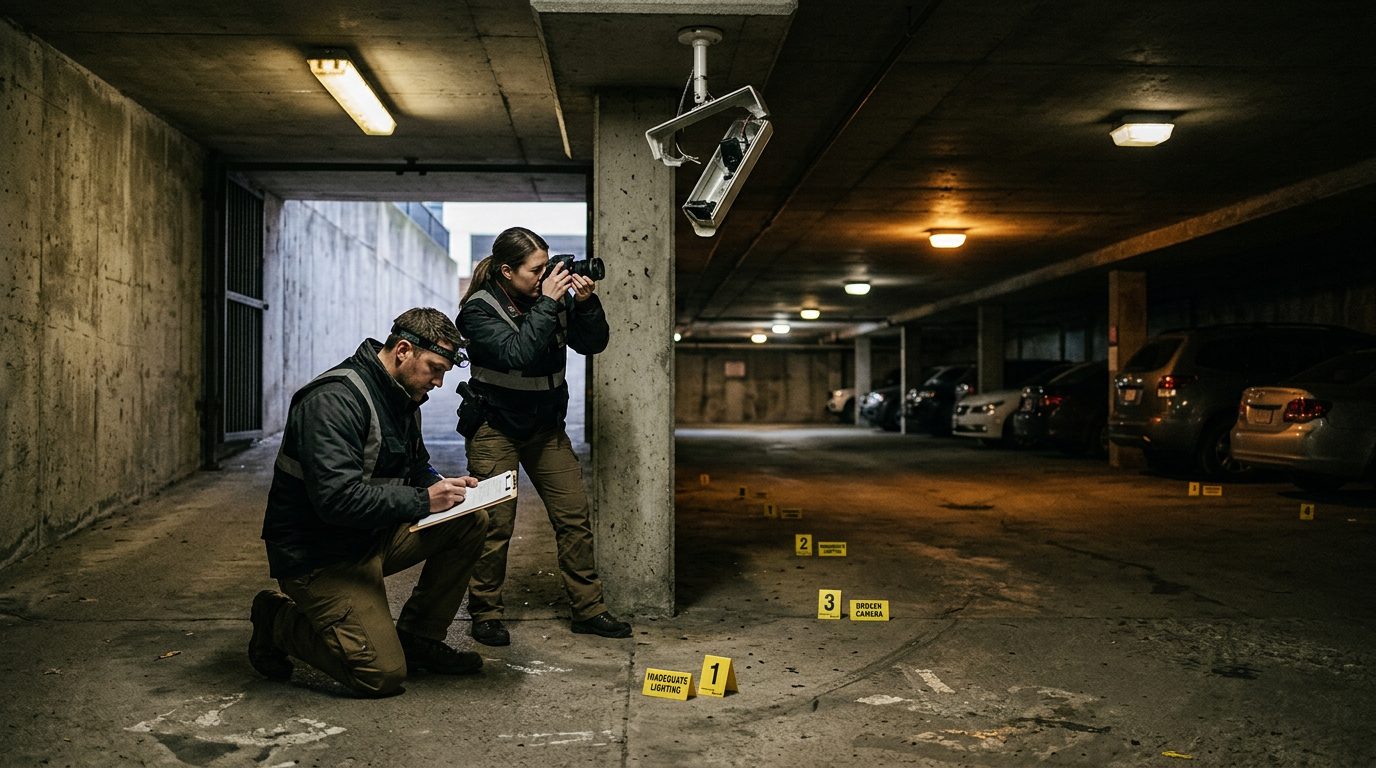
Restaurant surveillance video maintenance records can be some of the most useful evidence after a fall. Many camera systems write over older files, and cleaning and repair logs may not be kept for long. This page explains how a lawyer asks for these records early, what to request and why timing matters in Georgia. It is written for people hurt at a restaurant and for family members helping them.
How can a lawyer obtain restaurant surveillance video and maintenance or cleaning records before they are overwritten or discarded?
A lawyer usually starts by sending the restaurant and its insurer a written preservation request. That letter asks them to keep specific video, system logs and cleaning records, identified by date and time. Early action matters because older files can be overwritten.
The request should name the restaurant surveillance video maintenance records you need. Include the date and time of the fall, the camera locations and the records wanted. A written request also creates a dated record that the restaurant received the demand.
If the restaurant does not respond or hand over the records, a lawyer can make a formal written request for them as part of the claim. Timing still matters, so the request should go out as soon as possible.
Peter F. Jaraysi, the responsible lawyer on this page, and the firm’s lawyers handle these requests for clients. Their goal is to get the right items in writing before routine overwriting removes them.
Families often make this request while the injured person is still recovering. A lawyer can handle the letters, follow-up and calls so the injured person can focus on healing.
If you were hurt in a fall at a restaurant, our team can talk through which video and records to ask for, and how quickly, in a free case review. Talk it through with our team — the first consultation is free, confidential, and carries no obligation.
What restaurant video and records should be requested after a slip, trip or fall?
Ask for video of the entrance, the route to the restroom, the bar area and the exact spot of the fall. Ask for records covering the time before, during and after the incident. Useful records go beyond the video itself:
- Video: camera views of the fall area, the entrance and the restroom route, covering a window before, during and after the fall.
- System records: digital video recorder logs (DVR or NVR logs) that show recording gaps, plus the system’s retention settings.
- Maintenance records: repair tickets and service visits for each camera, including any known problem before the fall.
- Floor-care records: mopping logs, wet-floor checks, closing checklists and where wet-floor signs were placed.
- Staff records: shift schedules for the day of the fall, so people who worked that area can be identified.
- Incident records: the incident report, employee statements and any prior complaints about the same spot.
Prior complaints can matter a great deal. They show what the restaurant knew and when. Georgia splits fault among the people involved in an injury.
How long do restaurants keep video footage, and why does it get overwritten?
Many camera systems record on a loop. When storage fills, new footage replaces the oldest footage. How long footage lasts depends on the system and its settings, so no single timeline fits every restaurant.
Storage size, video quality and motion-triggered recording all affect how much footage a system keeps. A busy restaurant with many cameras can fill its storage faster than a small one.
Footage is often saved only when someone deliberately exports it, meaning a copy is made to another device or file. If nobody does that after a fall, the clip can be overwritten in the normal cycle.
That is why the written request matters. It asks the restaurant to stop the overwriting for the relevant clips and to save them. Without that step, the clip may be gone before anyone looks at it. Ask for the system’s retention settings too. They show how long the system can hold footage.
Why shouldn’t a rule of thumb about retention replace a written request?
Rules of thumb about how long restaurants keep video are general guesses, not facts about your restaurant. The facts that count are that restaurant’s system, its settings and what was saved after the fall. A written request protects those facts.
Rules of thumb can sound precise. They may be wrong for a particular camera system, and they cannot tell you what was saved. Relying on one can cost time you may not get back.
A written request also gives a clear record. It shows the date it was sent, who received it and which items were asked for. If footage is missing later, that record shows what was requested and when.
Keep copies of anything you send or receive. A lawyer reviews these facts with you and decides which items to request first.
Do CCTV cameras need maintenance, and why do maintenance records matter in a fall case?
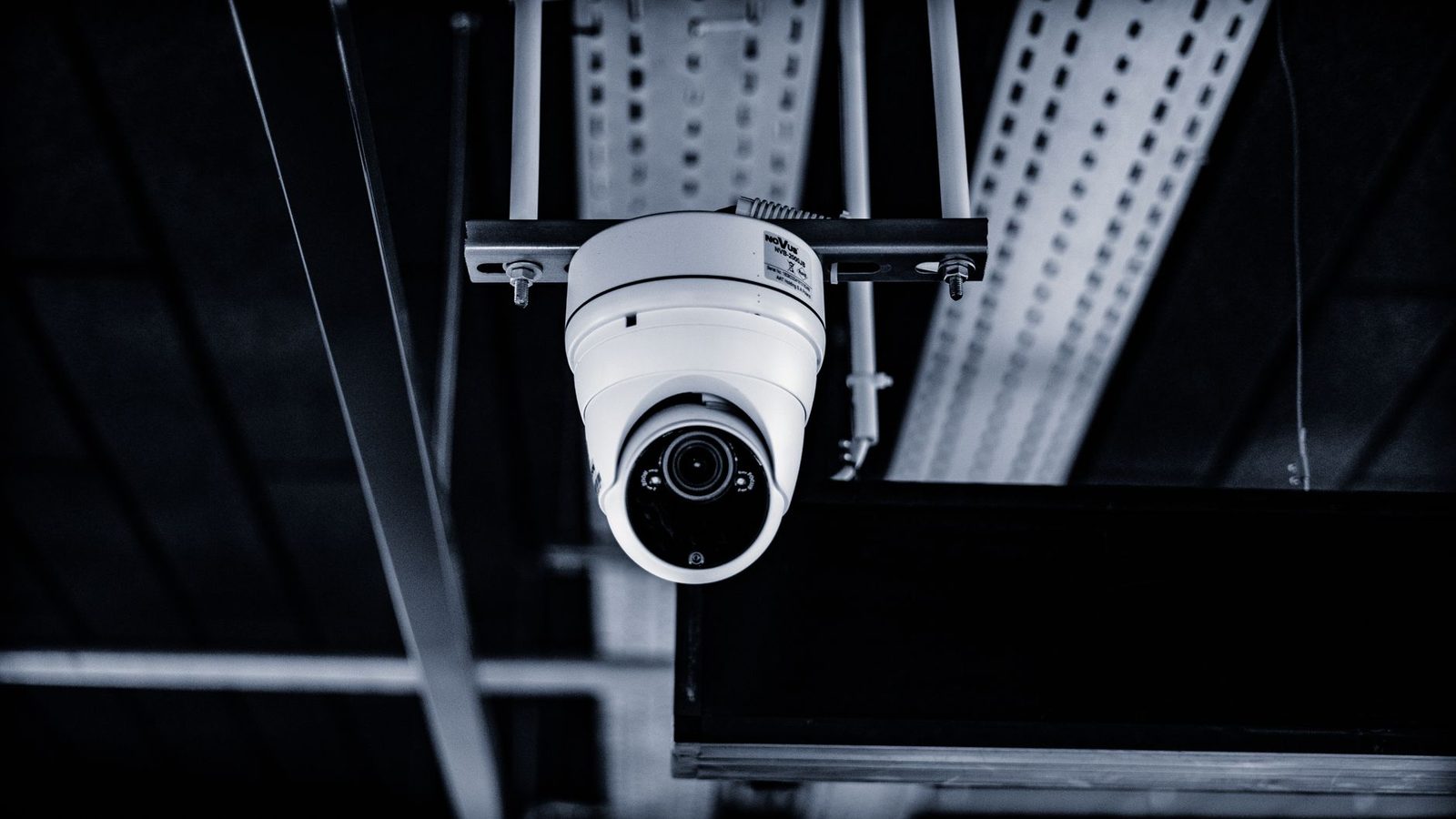
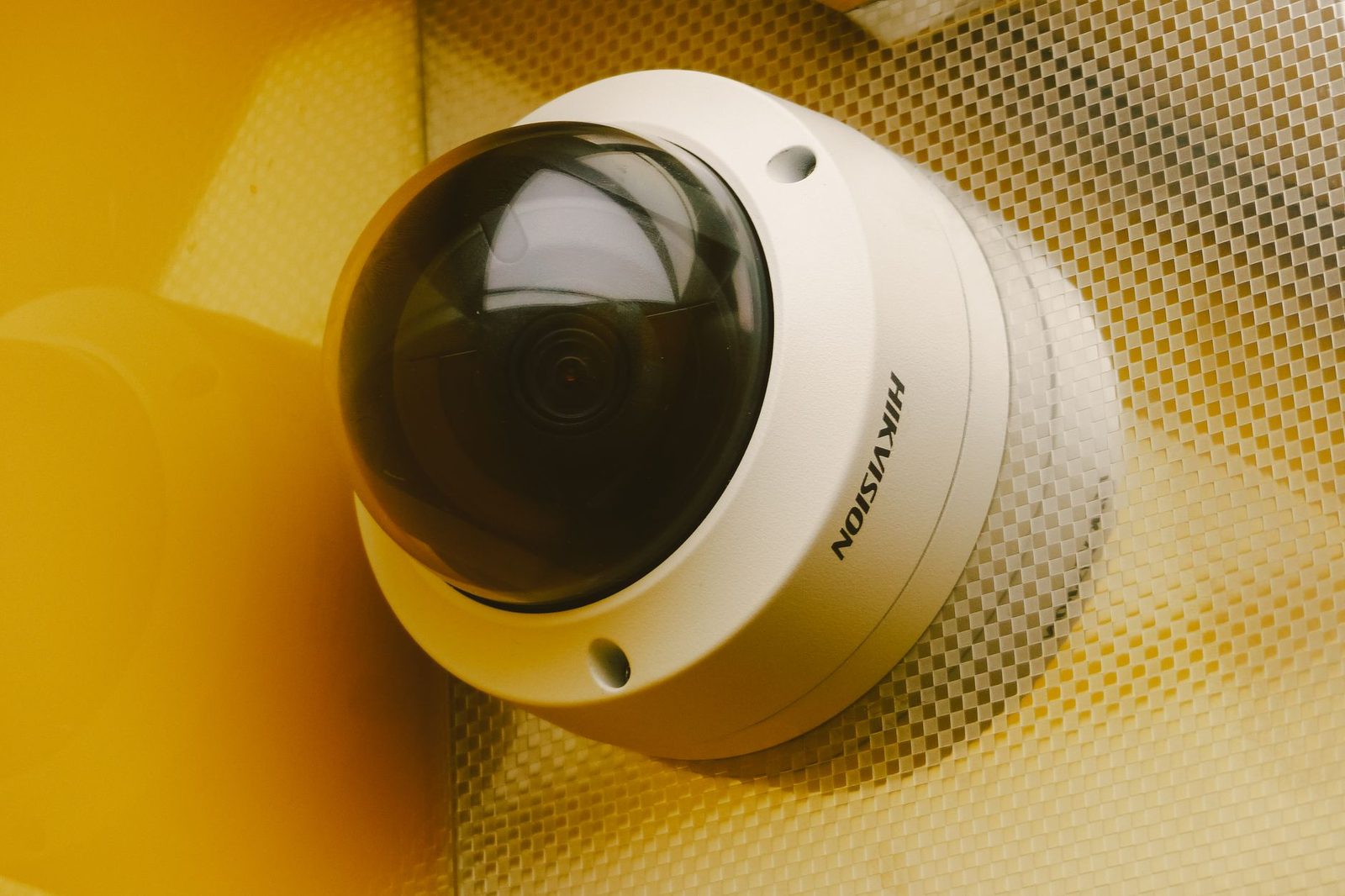
Yes. Security cameras need regular care, including clean lenses, accurate clocks, current software and enough light. Maintenance and repair records show whether a camera was working on the day of the fall.
A dirty lens, a wrong date stamp or a dim view can make footage hard to use. A camera with a known problem before the fall may explain why part of the day is missing. Service logs also show when each camera was last checked.
Cleaning and floor-care records matter in slip-and-fall cases because they can show whether the floor was inspected and mopped. They can also show whether wet-floor signs were used. These records help show how the restaurant handled the area before you fell.
In Georgia, an owner or occupier (the business that controls the property) can be liable for injuries caused by a failure to use ordinary care in keeping the premises and approaches safe, to persons it induces or leads onto the premises by express or implied invitation for any lawful purpose. O.C.G.A. § 51-3-1 states that duty. Maintenance and cleaning records help show whether that care was used.
Maintenance logs are not proof on their own. A lawyer compares them with video, witness accounts and incident reports.
Can you get CCTV footage from three years ago, and how does Georgia’s filing deadline affect it?
Sometimes, but usually only if someone saved it. Footage from the time of a fall is often gone if nobody exported it right after the fall. In Georgia, a personal-injury lawsuit generally must be filed within two years after the right of action accrues (O.C.G.A. § 9-3-33). Georgia’s general deadline for personal injury claims is two years (O.C.G.A. § 9-3-33; Kenneth B. Cameron v. Jmp Pizza, Inc (2026)).
Under O.C.G.A. § 9-3-33, actions for injuries to the person must be brought within two years after the right of action accrues, except for actions for injuries to the person involving loss of consortium, which must be brought within four years after the right of action accrues.
The video clock and the filing clock run separately. Footage can be overwritten long before the filing period ends. A claim can also near its deadline while a search for footage is still going on.
Losing evidence can hurt a claim. A lawyer looks at when the footage was lost, who had it and what the restaurant knew before deciding what that means. The answer depends on the facts, so a lawyer should check the timeline early. Write down the date of the fall now. It matters for every deadline and every request.
Not sure what your next step is?
Talk it through with our team — the first consultation is free, confidential, and carries no obligation.
What steps can someone hurt in a restaurant take right now to protect their claim?
Get medical care, write down what happened, keep every record and send any insurer contact to a lawyer. These steps keep your evidence together while the restaurant’s records are still in place.
- Medical care: keep every bill, visit summary and prescription record so your treatment is documented.
- Written account: note the time, the spot, the floor condition, any warning signs and the names of people who saw the fall. Do this while your memory is fresh.
- Photos and items: photograph the area and the spot where you fell. Keep your shoes and clothing as they were, if you still have them.
- Paperwork: keep receipts, any incident report you were given and copies of anything the restaurant sent you.
- Insurer contact: talk with a lawyer before giving a statement to the restaurant’s insurer. Pass any insurer or restaurant contact along to the firm.
Georgia also looks at your own share of fault. Under O.C.G.A. § 51-12-33, damages are reduced in proportion to your percentage of fault. If you are 50 percent or more responsible, you cannot receive any damages. Other people who contributed to the injury also count when fault is divided.
Talk with the firm about your restaurant fall before footage is lost
If you’re waiting on a hospital bill, managing a slow recovery or helping a family member who was hurt, the video question can feel urgent. You don’t have to sort out preservation steps alone.
Slam Dunk Attorney offers a free, confidential initial consultation with no obligation to continue. Our team can explain which preservation steps may apply to your situation. Contact the firm here to ask for a free case review.
Frequently asked questions
Can a lawyer request restaurant surveillance video maintenance records for me?
Yes. A lawyer can send a written preservation request and follow up on it for you.
How long do restaurants keep video footage?
There is no single period for every restaurant. Many systems record over older footage, so the timing depends on the equipment and whether anyone saved the clips.
How long do I have to file a restaurant fall claim in Georgia?
Georgia’s general deadline for injury claims is two years under O.C.G.A. § 9-3-33.
Can I recover damages if I was partly at fault?
Georgia reduces damages by your share of fault. Under O.C.G.A. § 51-12-33, you cannot receive damages if you are 50 percent or more responsible.
Disclaimer: This page is general information, not legal advice, and it applies to Georgia law. Nothing here promises any result. Peter F. Jaraysi is the responsible lawyer for this page. Slam Dunk Attorney is based in Duluth, Georgia, and you can reach the firm through its contact page.
What maintenance records can help show
Recording and retention settings
Records can show how the camera system was set up, including how long footage is kept before it is written over.
Service and repair history
Logs can show whether cameras were working on the day of an incident or had been offline, blocked or damaged.
Who had access
Access logs and staff schedules can help identify who handled the system and when footage was reviewed or saved.
Camera coverage
Maps and placement records can show which areas, such as entrances, parking lots and walkways, were covered by video.
Act early: video is often overwritten
Many restaurant camera systems record over older footage automatically. The sooner a written request is sent to preserve video and maintenance records, the better the chance that important information is still available.
Steps that can help after a restaurant injury
Write down what you remember
Note the date, time, location inside the restaurant and what you saw. Details written while they are fresh can help later.
Keep your records
Save photos, receipts, medical paperwork and any messages with the restaurant or its staff.
Ask a lawyer to request preservation
A lawyer can send a written preservation request for surveillance video and maintenance records and follow up on it for you.