

Knee Injury Claims in Georgia | Duluth, Georgia
Wondering What a Knee Injury Claim Is Worth?
No two knee injuries are the same, and no one can name a number before the facts are known. Our team at Slam Dunk Attorney looks at your treatment, bills, lost income and how the injury happened, then explains your options in plain language.
By Peter F. Jaraysi · Published November 7, 2026
How much should I settle for a knee injury? There is no single answer. The value of a knee injury claim depends on your medical care, your bills, your lost income, and how the injury happened. This page explains those factors under Georgia law so you can ask better questions before you respond to any offer. It explains the factors, not a result.
Why there is no single number for a knee injury settlement
Two people with the same knee diagnosis can have very different claims. Picture two people who each tear a meniscus in a fall at a store. One returns to work after a few weeks of physical therapy. The other needs surgery, misses months of work, and has a knee that gives way on stairs. Their claims look nothing alike.
Online figures can be misleading for the same reason. A published average may mix minor sprains with surgical cases from very different accidents. That single number says little about your situation.
Georgia law measures damages by the harm the injury caused. Damages compensate for injury that can be estimated in money, as O.C.G.A. § 51-12-4 explains. That is why the details of your injury matter more than any average.
If a fall on someone else's property left your knee hurting, you may have a claim, and our team can talk it through with you. Talk it through with our team — the first consultation is free, confidential, and carries no obligation.
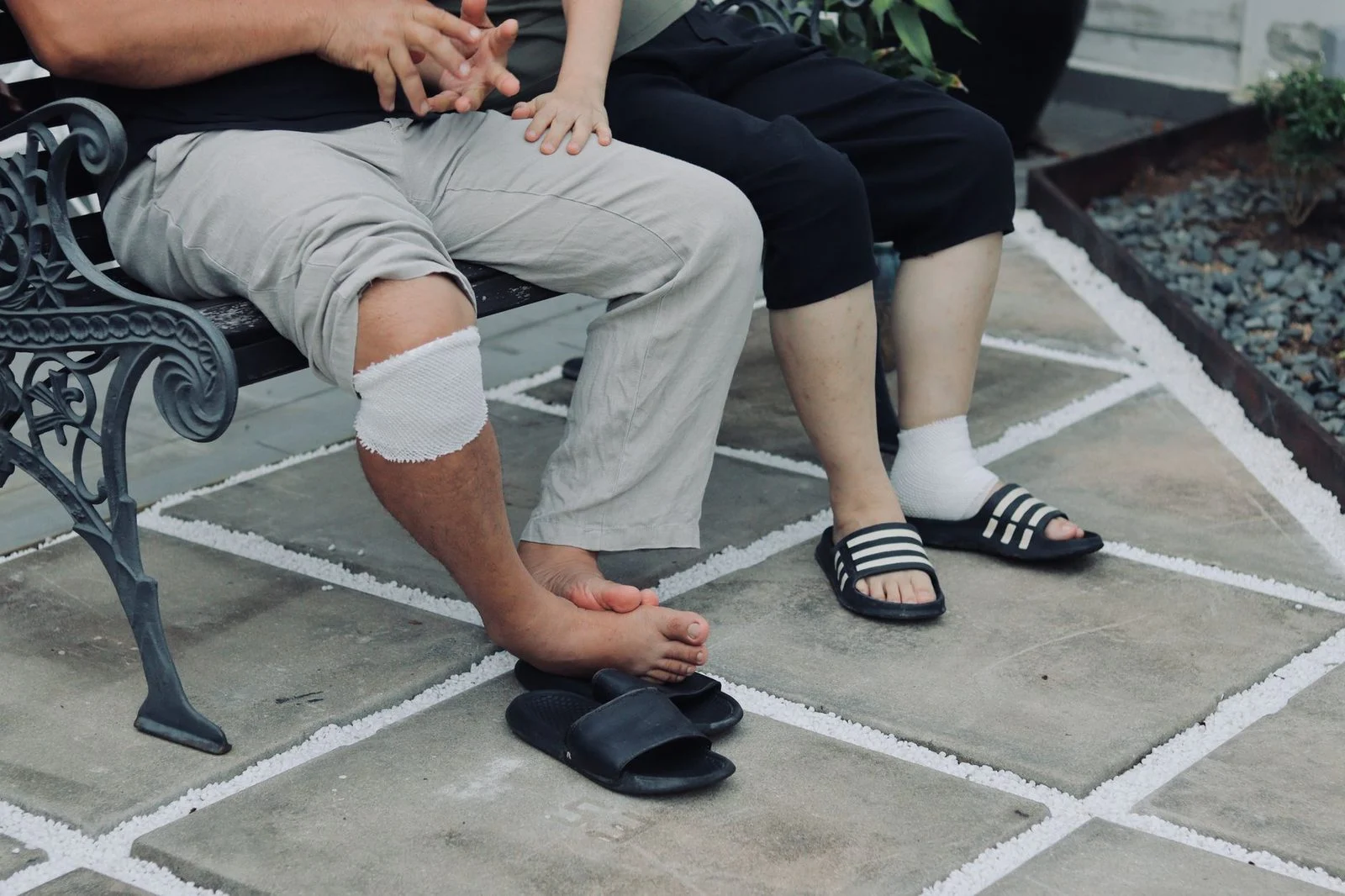
Common knee injuries in slip and fall and premises cases
Falls on wet floors, uneven walkways, and broken stairs can hurt the knee in several ways. Sprains and ligament injuries stretch or tear the tissue that keeps the joint steady. A meniscus tear damages the cartilage pad inside the knee. An anterior cruciate ligament (ACL) tear affects the ligament that controls twisting. A patellar (kneecap) fracture breaks the bone in front of the knee. A bruise, called a contusion, can follow a hard landing.
Some knee injuries improve with rest, bracing, and therapy. Others need surgery or leave lasting limits. That difference often shapes a claim more than the name of the injury does.
If your knee locks, buckles, or feels unstable, get a medical evaluation promptly. Prompt care also creates a record of when your symptoms started and how they progressed. That record matters later.
Factors that shape the value of a knee injury claim
Several factors do most of the work. Each one connects to a rule Georgia uses to measure damages.
- Treatment. Imaging, physical therapy, injections, and surgery each affect the claim. Following your doctor’s plan steadily matters, because gaps in treatment are often questioned.
- Medical bills. Medical costs are limited to the reasonable value of medically necessary care, as O.C.G.A. § 51-12-1.1 provides.
- Lost income. Time off work and changed job duties count. Necessary expenses that come from an injury are a legitimate part of the damages estimate, under O.C.G.A. § 51-12-7.
- Future losses. When figuring the present value of future medical expenses, living expenses, lost wages, or other economic damages, the trier of fact may reduce them to present value using a 5 percent discount rate or another rate it finds appropriate, under O.C.G.A. § 51-12-13.
- Lasting effects and daily life. Ongoing pain, reduced motion, instability, or arthritis risk noted by a physician all matter. Changes to hobbies, independence, and routine also matter. Georgia treats losses the law presumes from an injury differently from losses that must be proved, as O.C.G.A. § 51-12-2 explains.
How these factors combine depends on the facts of each case.
How Georgia’s comparative fault rule can affect recovery
Georgia reduces your damages by your share of fault. It also bars recovery entirely at 50 percent or more. Under O.C.G.A. § 51-12-33, the trier of fact sets the injured person’s percentage of fault. The judge then reduces the award in proportion to that percentage. A plaintiff who is 50 percent or more responsible is not entitled to receive any damages.
Georgia courts apply this rule to injury claims.
Fault in a fall case often turns on specific facts. Those include whether a warning was posted, how the area was lit, what shoes you wore, whether you were distracted, and whether the hazard was visible or known to the property owner. Under O.C.G.A. § 51-3-1, an owner or occupier of land who invites or leads others onto the premises for any lawful purpose is liable in damages for injuries caused by a failure to exercise ordinary care in keeping the premises and approaches safe.
Evidence that supports a knee injury claim
The strongest claims rest on records made close to the fall. Start with these steps as soon as it is safe.
- Take photos of the spot, the hazard, your footwear, and your knee.
- Collect names and phone numbers of anyone who saw the fall.
- Ask the property owner or business for an incident report, and keep a copy.
- Keep every medical record, from the first visit through imaging results and referrals.
- Save pay stubs, work schedules, and notes on daily limits, such as stairs or sleep.
Be honest about any earlier knee problems. Honesty keeps your claim credible. Hiding past issues can damage it.
If you receive care under a letter of protection, keep that letter. Under O.C.G.A. § 51-12-1.1, the letter, itemized charges, and related referral details can be relevant evidence.
Georgia deadlines to know about
Georgia generally gives two years to file a personal injury lawsuit. O.C.G.A. § 9-3-33 sets that period for actions for injuries to the person. Georgia law sets time limits for filing injury lawsuits, so it is wise to speak with a lawyer early. Some exceptions depend on the case.
Waiting can make evidence harder to collect, even inside that period. Witnesses move, memories fade, and surveillance video is often overwritten. Write down the date of your injury now. Keep every record from the start.
Not sure what your next step is?
Talk it through with our team — the first consultation is free, confidential, and carries no obligation.
How to read an early settlement offer
An early offer is often made before the full extent of a knee injury is known. Ligament and cartilage damage can take time to diagnose. An offer made before treatment ends may not reflect where your recovery goes.
Before you respond, ask these questions. Does the offer cover future care? Does it cover lost earning ability, not just missed shifts? Does it cover all of your bills? Has your treating doctor finished treatment?
Read any release before you sign it. Insurance companies may ask you to sign documents, so it is wise to talk with a lawyer before you sign anything. Take your time with the decision.

Talk with Slam Dunk Attorney about your knee injury
If you are weighing an offer after a knee injury, you do not have to sort it out alone. Pain, appointments, and calls from an insurance adjuster can make it hard to think clearly. Our team can review the facts of your fall with you.
Contact Slam Dunk Attorney for a free first consultation. It is confidential, with no obligation to continue. You can reach our team here.
For more background, see our slip and fall, premises liability, and Georgia personal injury pages, along with our guide on settlements without surgery.
Common questions
How much should I settle for a knee injury?
There is no set amount. Treatment, bills, lost income, lasting effects, and how the injury happened all shape the claim.
How long do I have to file a knee injury lawsuit in Georgia?
Georgia generally allows two years after the right of action accrues for injuries to the person under O.C.G.A. § 9-3-33; injuries to the reputation must be brought within one year, and loss of consortium actions within four years.
Can I recover if I was partly at fault?
Georgia reduces your damages by your share of fault. At 50 percent or more, you cannot recover damages (O.C.G.A. § 51-12-33; Quynn v. Hulsey (2020)).
Attorney advertising. Responsible lawyer: Peter F. Jaraysi, Slam Dunk Attorney, Duluth, Georgia. Contact: slamdunkattorney.com/contact-us. The information on this page is general and is not a promise or prediction of any result.
What Our Team Reviews With You
Your Medical Records
We review diagnosis, imaging, surgery or physical therapy notes, and any doctor's opinion about how long recovery may take.
Your Bills and Lost Income
We gather medical bills and records of missed work so the financial impact of the injury is documented.
Lasting Effects
Ongoing pain, limited movement and changes to daily life are part of the picture, and we discuss them openly with you.
How the Injury Happened
Whether it was a car crash, a fall on an unsafe property or another incident, the circumstances shape the claim.
Keep Your Records and Stay on Your Treatment Plan
Save your medical bills, appointment notes, pay stubs and photos of the scene. Keep following your doctor's instructions. Talking with an attorney early can help you understand what information matters most.
Common Knee Injuries We Hear About
Ligament and Cartilage Tears
ACL, MCL and meniscus injuries often require imaging, therapy or surgery, and recovery can take months.
Fractures and Dislocations
Broken kneecaps and dislocated joints from crashes or falls can lead to long periods away from work.
Injuries Needing Future Care
Some knee injuries lead to arthritis or repeat surgery, which is why future medical needs matter in every review.
Talk With Our Team About Your Knee Injury
Related practice areas
- Slip and Fall Accident Lawyer in Georgia | Slam Dunk Attorney
- Slip and Fall Settlements Without Surgery: How Georgia Claims Are Evaluated
- Average Payout for a Broken Leg in Georgia: Key Factors