
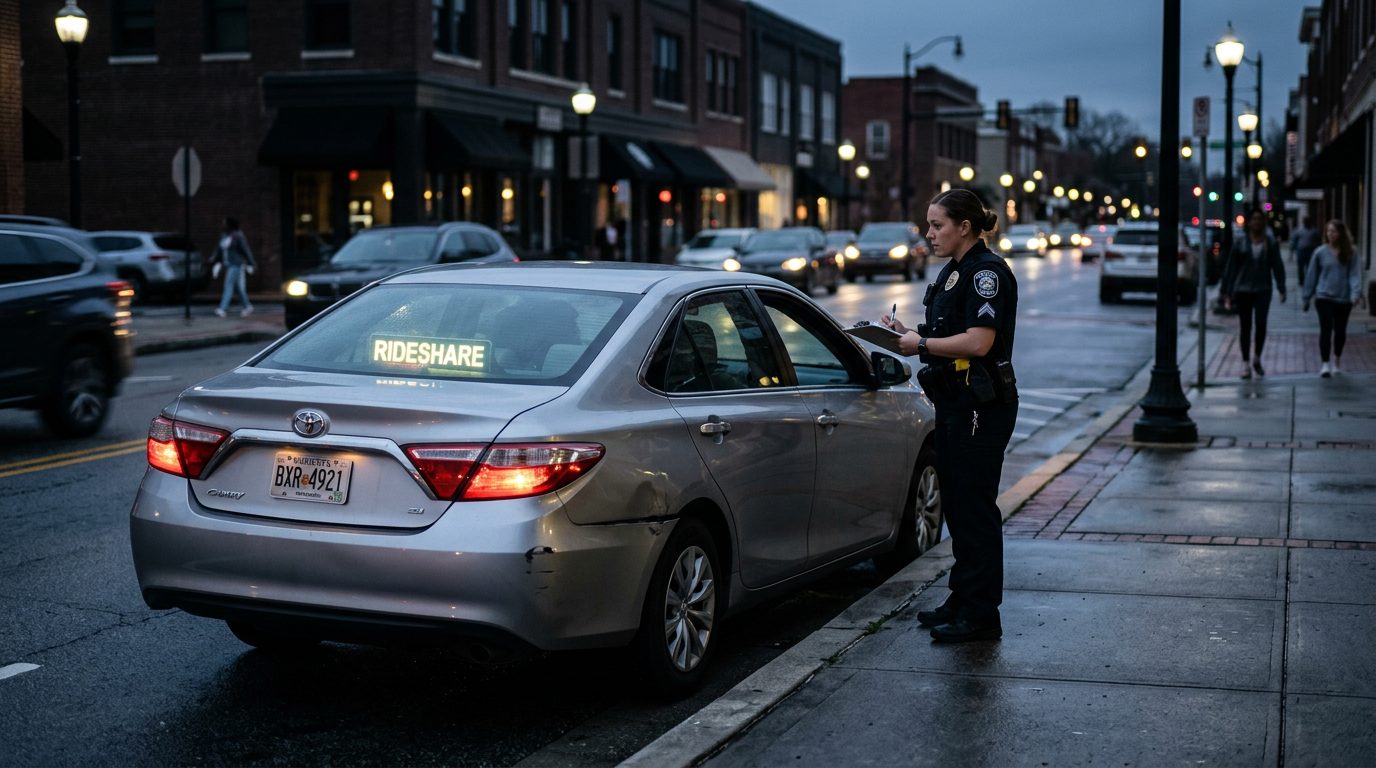
Rideshare Accidents in Marietta, Georgia
Hurt in an Uber or Lyft Crash? Talk With Our Team for Free
Injured as a passenger, driver, or pedestrian in a rideshare accident? Our firm helps Marietta and metro Atlanta families understand their options in plain language. Your first consultation is free, confidential, and comes with no obligation to continue.
Why Start a Conversation With Our Firm
Plain-Language Answers
Rideshare claims involve insurance policies, app records, and several possible parties. We explain each step in everyday terms so you know what to expect.
Confidential Consultations
Share the details of your crash in a private conversation. Your first consultation is free and comes with no obligation to continue.
Serving Marietta and Metro Atlanta
Our firm represents people hurt in Marietta, Cobb County, and communities across Georgia, including Atlanta, Kennesaw, Alpharetta, and Dunwoody.
Support for You and Your Family
Our lawyers and support staff keep you informed and make it easier to focus on your recovery while we review your case.
By Peter F. Jaraysi · Published October 24, 2026
Rideshare accidents Marietta residents face often raise the same hard questions: who pays, which insurance applies, and how much time you have. Georgia law gives injured people ways to seek compensation, and the facts of each crash shape how those rules work. This guide explains the basics in plain language.
Rideshare Crashes on Marietta Roads
Rideshare cars share Marietta streets with commuters every day, including traffic on Interstate 75, Roswell Road, and Powers Ferry Road. Georgia recorded 1,403 motor-vehicle crash deaths in 2024, a rate of 12.5 per 100,000 people, according to the Insurance Institute for Highway Safety. An Uber or Lyft crash can hurt more than one kind of person. The injured person may be a passenger, the rideshare driver, the driver of another car, a pedestrian, or a motorcyclist. Each role raises different questions about fault and insurance, so this guide covers all of them.
If a rideshare crash in Marietta has left you facing medical bills and insurer calls, you do not have to handle it alone; our team can talk through your options in a free first consultation. Talk it through with our team — the first consultation is free, confidential, and carries no obligation.
What Happens If You Are in a Rideshare Accident
Get medical care first, even if you feel mostly fine. An early check-up protects your health and creates a record that links your symptoms to the crash. At the scene, call the police and get the report number. Take photos of the vehicles, the road, and any visible injuries. Write down the other driver’s name, phone number, license plate, and insurance details.
If you were in an Uber or Lyft, note the driver’s name and the car’s plate. Georgia law requires rideshare drivers to keep digital identification on their smartphones while active on the app. That identification must show the driver’s name and photo, the vehicle’s make and model, the plate number, insurance certificates, and any other information the Department of Public Safety requires (O.C.G.A. § 40-1-193).
The app also keeps a record of the trip, including times, pickup, and drop-off. That record can matter later, so tell your lawyer about the trip as soon as you can. Keep your ride receipts, screenshots, and every letter from an insurer.
Are Uber and Lyft Drivers Liable, and Who Else Can Be?
A rideshare driver can be personally responsible for a crash he or she causes. Georgia law also limits when the rideshare company itself can be held liable. Under O.C.G.A. § 40-1-201, a ride share network service is not liable for a driver’s operation of a personal car. O.C.G.A. § 40-1-201 reads: “(a) No ride share network service shall be liable under any theory of liability, including, but not limited to, vicarious or product liability, for any injury to persons or damage to property from the operation of a personal passenger car by a ride share driver by reason of owning, operating, or maintaining a digital network or internet network to connect passengers to ride share drivers for the purpose of prearranged transportation for hire or for donation, provided that.” That protection applies only if the service has no negligence or criminal misconduct of its own, and it meets the law’s requirements, including background checks at least once every two years.
Other people can also be responsible. Another driver who caused the crash may be one. Georgia law requires every driver to exercise due care to avoid colliding with pedestrians (O.C.G.A. § 40-6-93).
Georgia uses shared fault. Under O.C.G.A. § 51-12-33, damages are reduced in proportion to the injured person’s share of fault. If that share is 50 percent or more, the injured person cannot recover any damages. Each at-fault person pays only his or her own apportioned share, not joint liability. Fault is decided on the facts of each crash, so the details matter.
How Rideshare Insurance Works for Uber and Lyft Crashes
Rideshare insurance often turns on whether the driver was logged on to the app when the crash happened. Georgia law lets personal auto insurers exclude coverage while a driver is logged on to a transportation network company’s system or providing its services (O.C.G.A. § 33-1-24). That means a personal policy may not respond at every stage of a trip.
Under Georgia law, the ride share network service must have insurance in effect for each ride share driver contracted with it in this state, covering personal injury liability, property damage liability, and personal injury protection liability benefits available to drivers, passengers, pedestrians, and others, in the same coverage amounts required by law (O.C.G.A. § 40-1-193).
Insurers can disagree about which policy applies. Tell each insurer about the crash and the app status at the time. Keep copies of every claim letter, medical bill, and payment record.
Common Injuries and the Damages Injured People May Pursue
Rideshare crash injuries range from bruises and sprains to lasting harm. Serious cases can involve spinal cord injury, traumatic brain injury, amputation, or severe burns. Spinal injuries can be life-threatening. According to the National Institute of Neurological Disorders and Stroke, an injury between the C1 and C4 segments can stop breathing.
Georgia separates general damages from special damages. Special damages must be proved (O.C.G.A. § 51-12-2). Necessary expenses from an injury, such as medical care, are a legitimate part of the damages estimate (O.C.G.A. § 51-12-7).
When a death results from a crime or from criminal or other negligence, such as a negligently caused rideshare crash, the personal representative may recover funeral, medical, and other necessary expenses (O.C.G.A. § 51-4-5). A claim’s value turns on the injuries, the medical records, and the facts of the crash.
Time Limits and Talking With Slam Dunk Attorney
Georgia generally gives two years to bring most injury claims (O.C.G.A. § 9-3-33). Loss of consortium claims have four years under the same statute. Some timing in death cases can differ, so families should act quickly. Waiting can make evidence harder to gather.
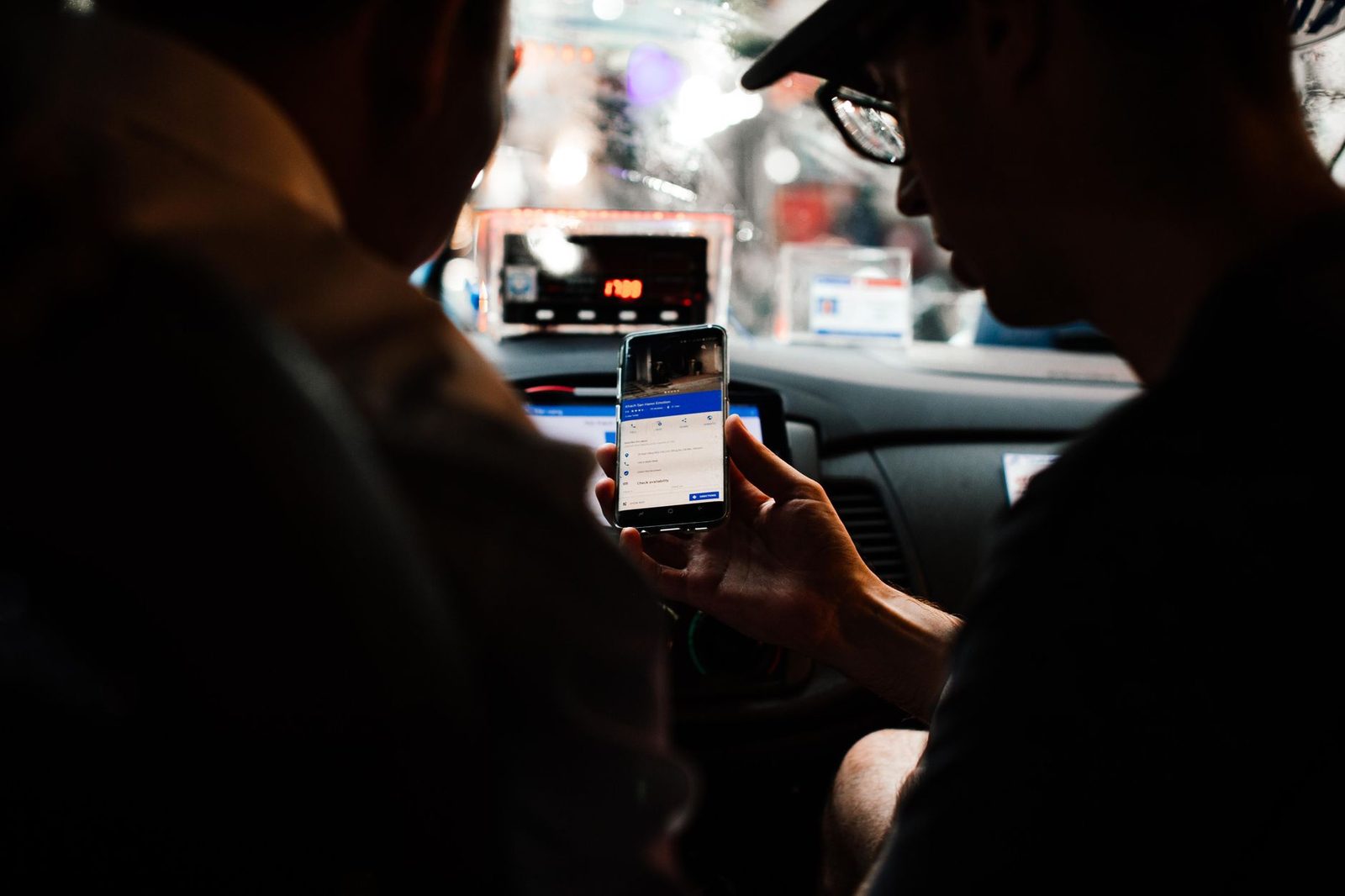
Slam Dunk Attorney offers a free first consultation. It is confidential and carries no obligation to continue (“consulta inicial gratuita, confidencial y sin compromiso”). That gives you a chance to learn your options before you decide anything.
Frequently Asked Questions
Who can be liable in rideshare accidents Marietta?
A rideshare driver can be personally responsible for a crash he or she causes. Georgia law also limits when the rideshare company itself can be held liable.
How long do I have to file an Uber or Lyft claim in Georgia?
Georgia generally allows two years for most injury claims under O.C.G.A. § 9-3-33. Other claims can follow different timing.
Can I recover damages if I was partly at fault?
Yes, if you were less than 50 percent responsible. Your damages are reduced by your share of fault under O.C.G.A. § 51-12-33 (Quynn v. Hulsey (2020)).
If a rideshare crash in Marietta has left you facing medical bills and insurer calls, you do not have to handle it alone. Contact our team to request a free case review.
Responsible lawyer: Peter F. Jaraysi, Slam Dunk Attorney, Duluth, Georgia. Contact: contact page. Results depend on the facts of each case, and no outcome can be promised.
Before You Speak With an Insurance Company
Insurance adjusters for rideshare companies and other drivers may contact you quickly and ask for a recorded statement. Before you give one, consider talking with a lawyer about what to say and what to leave for later.
Steps to Take After a Rideshare Accident
Get Medical Care
See a doctor or go to the emergency room, even if your injuries seem minor. Some injuries, such as concussions and soft-tissue damage, can appear hours or days later.
Document the Scene
Take photos of vehicles, injuries, road conditions, and any visible hazards. Collect names and insurance details from everyone involved.
Save Your Trip Records
Keep screenshots of the Uber or Lyft app, trip receipts, and any messages about the ride. Note the time, location, and driver information.
Talk With a Lawyer
Contact our firm for a free, confidential consultation. We can review what happened and explain the questions that matter for your situation.