
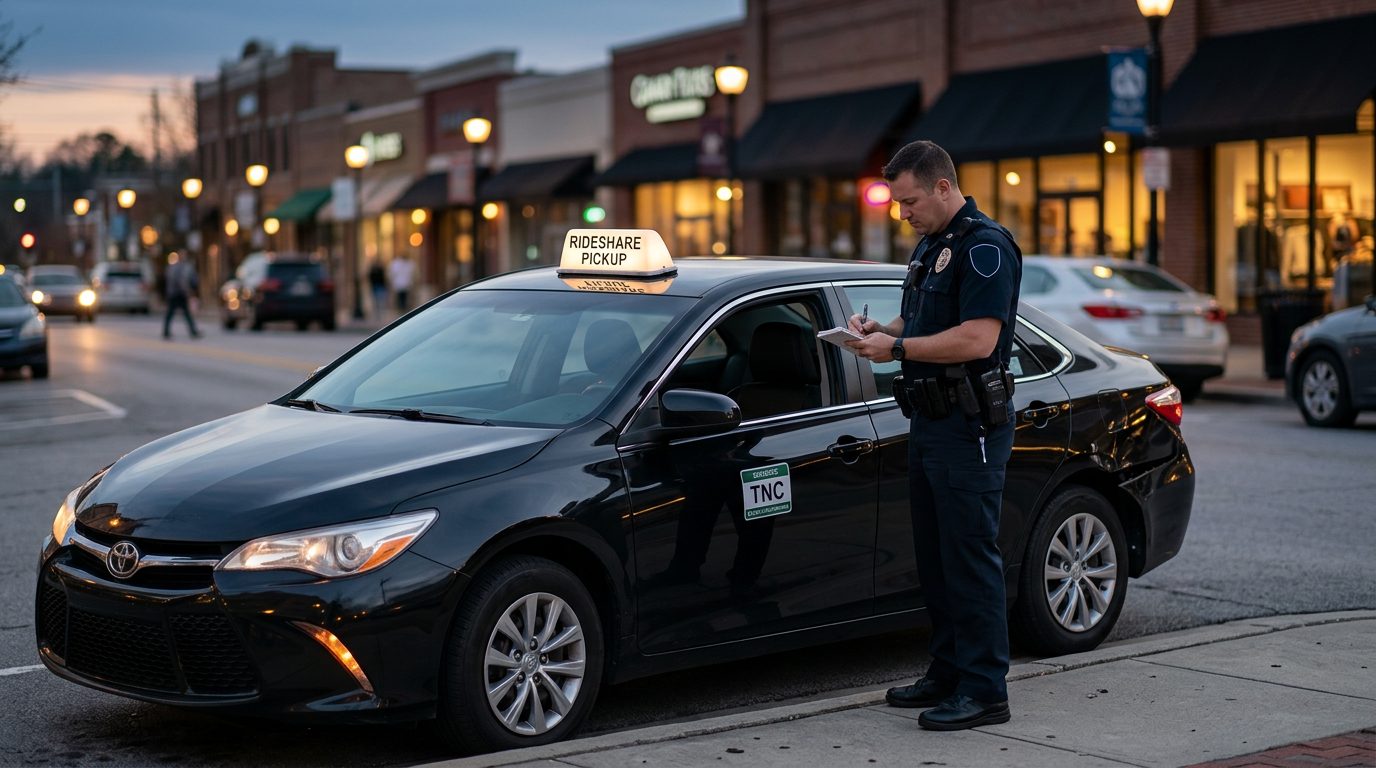
Rideshare Accidents · Alpharetta, Georgia
Hurt in an Uber or Lyft Crash in Alpharetta? Start With These Steps
A rideshare crash can involve the driver, the app, and several insurance companies at once. Slam Dunk Attorney helps injured passengers, drivers, and pedestrians in Alpharetta and across Georgia understand their options, one clear step at a time.
By Peter F. Jaraysi · Published October 24, 2026
Rideshare accidents Alpharetta riders and drivers face can leave people shaken and unsure what to do next. Start with safety and medical care, document the scene, and report the trip. Which insurance applies often depends on what the driver’s app was doing at the moment of the crash. This guide explains those steps in plain language, along with Georgia rules on fault, time limits, and fatal crashes.
What Happens After a Rideshare Accident in Alpharetta?
After a rideshare crash, check for injuries, move to safety if you can, and call 911. Let police arrive and document the scene before anyone leaves. Police reports, photos, and witness names create the record that later questions depend on.
Take photos of both vehicles, the road, lane markings, traffic signals, and any visible injuries. Write down the names and phone numbers of witnesses. Keep your own notes on what you saw and heard while the details are fresh.
Get a medical evaluation the same day, even if you feel fine. Concussions and soft-tissue injuries can show symptoms hours or days later. Early records tie those symptoms to the crash.
Report the crash through the Uber or Lyft app soon after it happens. The app stores trip details, and those records can matter later.
If an Uber or Lyft crash in Alpharetta left you hurt or grieving, our team can review which insurance may apply to your situation, so contact us today. Talk it through with our team — the first consultation is free, confidential, and carries no obligation.

How the Driver’s App Status Affects Insurance Coverage
Insurance for a rideshare crash often depends on the app status at the time of the crash. Georgia law sets separate rules for the period when a driver is working a ride.
Under O.C.G.A. § 33-1-24, a rideshare company must provide at least $1 million for death, personal injury, and property damage per occurrence. That applies from the time a driver accepts a ride request until the driver completes the transaction or the ride is complete, whichever is later. The same period requires uninsured and underinsured motorist coverage, with minimum limits of $300,000 for all people hurt in one accident and a maximum of $100,000 for any one person.
The driver’s personal auto policy may not apply. The statute lets personal insurers exclude coverage while a driver is logged on to a rideshare network or providing its services. The company’s coverage also does not depend on a personal insurer first denying a claim.
Other policies can matter too. These include the other driver’s policy and your own auto policy. Insurers may ask for a recorded statement early. You can speak with a lawyer before you give one.
Who May Be Responsible for a Rideshare Crash
Responsibility can fall on the rideshare driver, another driver, or in some cases the rideshare company. The answer depends on the facts of the crash.
Common driver errors include distraction, speeding, impairment, fatigue, and failure to yield. Passengers, other drivers, pedestrians, and cyclists hurt in a rideshare crash may all have claims.
Company liability is more limited. Under O.C.G.A. § 40-1-201, a ride share network service is not liable for a driver’s operation of a personal car under any theory. O.C.G.A. § 40-1-201 reads: “(a) No ride share network service shall be liable under any theory of liability, including, but not limited to, vicarious or product liability, for any injury to persons or damage to property from the operation of a personal passenger car by a ride share driver by reason of owning, operating, or maintaining a digital network or internet network to connect passengers to ride share drivers for the purpose of prearranged transportation for hire or for donation, provided that.” That protection applies only if the service itself was not negligent and meets other conditions. Those conditions include background checks at least once every two years.
Georgia also reduces recovery by your share of fault. Under O.C.G.A. § 51-12-33, damages drop in proportion to your percentage of fault. If you are 50 percent or more responsible, you cannot recover any damages. Each at-fault person pays only its own share.
Traffic Patterns and Busy Corridors in Alpharetta
Busy corridors can raise the chance of multi-vehicle crashes, especially at rush hour. Alpharetta’s commuter and shopping traffic moves along major roads such as GA-400, Old Milton Parkway, and Westside Parkway.
Merging lanes, sudden lane changes near exits, and traffic backing up at signals can all lead to collisions. Rideshare drivers often make frequent stops and turns, which adds to that risk.
Speed makes crashes worse. The Insurance Institute for Highway Safety states that higher speeds increase crash severity and the likelihood of serious injuries. Statewide, the Insurance Institute for Highway Safety reports 1,403 motor-vehicle crash deaths in Georgia in 2024, or 12.5 deaths per 100,000 people.
Document the location carefully. Note the exact street, the direction you were traveling, the nearest landmark, the lane, and any exit or intersection. These details help police reports and any later review.
Injuries That Need Prompt Care and Careful Records
Many rideshare crash injuries need prompt medical care. Common injuries include whiplash, back and neck injuries, fractures, and concussions. Serious crashes can cause traumatic brain injuries, spinal cord injuries, amputations, and severe burns.
The spinal cord is protected by three layers of tissue and cerebrospinal fluid, according to the National Institute of Neurological Disorders and Stroke. Injuries high in the neck can affect breathing. Anyone with numbness, weakness, or trouble breathing needs emergency care right away.
Keep every record. That includes follow-up visits, imaging results, bills, prescriptions, and notes about pain and missed work. Good records show the full effect of an injury.
Georgia limits medical expense claims. Under O.C.G.A. § 51-12-1.1, medical expenses are limited to the reasonable value of medically necessary care. Under O.C.G.A. § 51-12-2, special damages such as medical bills must be proved. Gaps in treatment can also make it harder to connect an injury to the crash.
When a Rideshare Crash Causes a Death in Georgia
When a rideshare crash causes a death, certain family members may have a wrongful death claim. Georgia law sets out who may bring the claim and what it can recover.
Under O.C.G.A. § 51-4-2, a surviving spouse, or a child if there is no surviving spouse, may recover the full value of the decedent’s life, as shown by the evidence. A surviving spouse receives no less than one-third of that recovery.
If no one is entitled to bring the action, the administrator or executor may sue for the next of kin. Under O.C.G.A. § 51-4-5, when death results from a crime or from criminal or other negligence, the personal representative may also recover funeral, medical, and other necessary expenses.
Keep the police report, trip information, and medical records together from the start. Georgia generally requires an injury lawsuit within two years, under O.C.G.A. § 9-3-33. A fatal crash is a painful loss. Families can ask questions in a confidential consultation at their own pace.
Not sure what your next step is?
Talk it through with our team — the first consultation is free, confidential, and carries no obligation.
Hit-and-Run and Uninsured Drivers: Your Options
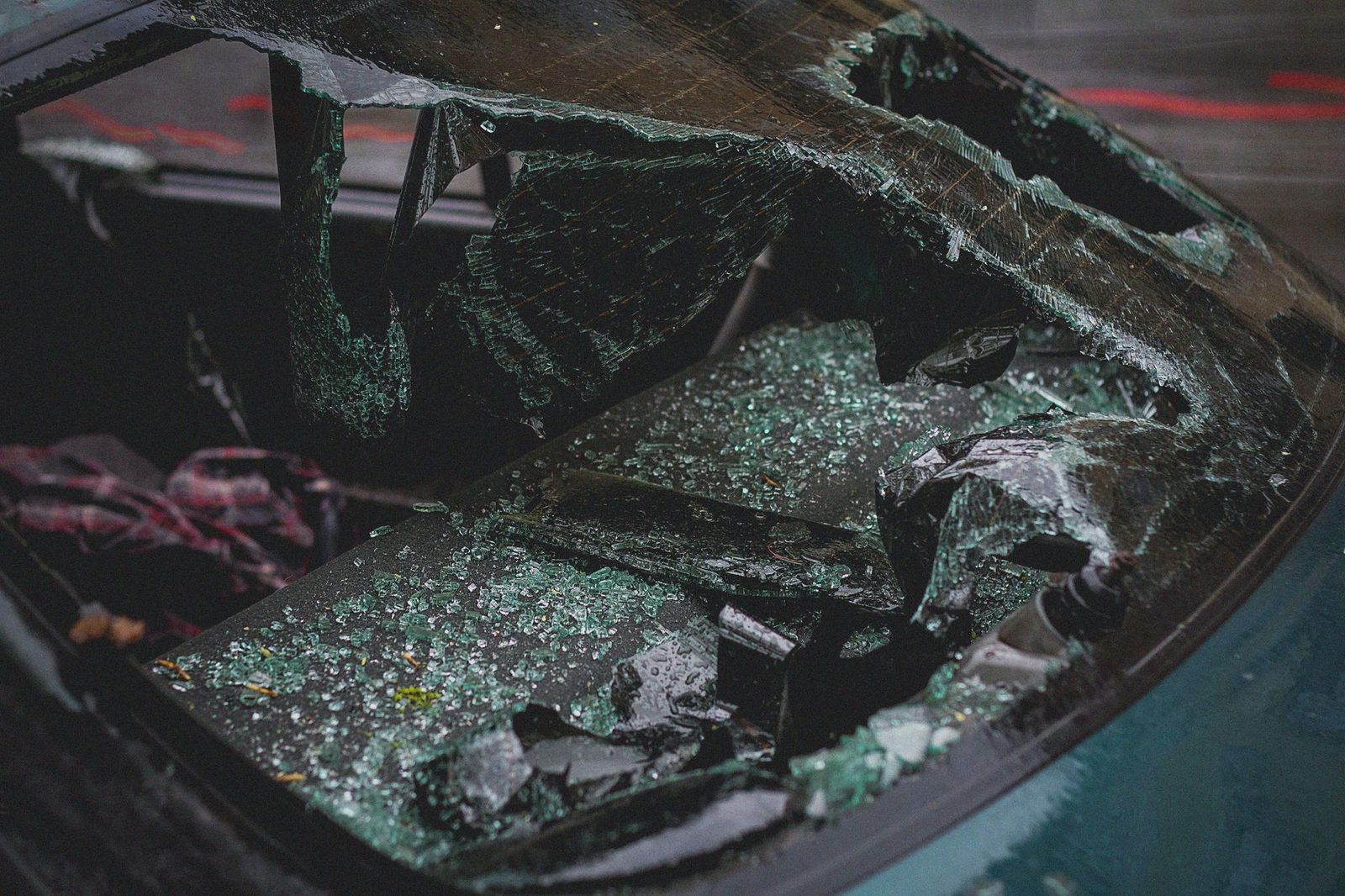
If the other driver leaves the scene, report it to police right away. Write down every detail you remember about the vehicle, including color, make, model, and plate number.
Georgia requires certain auto policies to include uninsured motorist coverage. Under O.C.G.A. § 33-7-11, uninsured motorist coverage can pay insured people for bodily injury caused by an uninsured driver, but when the owner or operator is unknown, recovery is subject to conditions, including actual physical contact or eyewitness corroboration and reporting under O.C.G.A. § 40-6-273. Whether it applies to your crash depends on your policy and the facts.
If the owner or operator is unknown, O.C.G.A. § 33-7-11 treats the vehicle as uninsured, but recovery under the endorsement is subject to conditions: actual physical contact must have occurred between the unknown vehicle and the insured or the insured’s property, unless an eyewitness other than the claimant corroborates the claimant’s account, and the accident must be reported as required by O.C.G.A. § 40-6-273. A criminal case against a driver and an injury claim are separate matters.
Frequently Asked Questions
What should I do first after an Uber or Lyft crash in Alpharetta?
Check for injuries, call 911, and get medical care the same day. Report the crash in the app soon after.
How long do I have to file a rideshare lawsuit in Georgia?
Georgia generally requires an injury lawsuit within two years, under O.C.G.A. § 9-3-33.
Does a driver’s personal insurance always cover a rideshare crash?
No, personal policies may exclude coverage while a driver is logged on to a rideshare network.
Slam Dunk Attorney is based in Duluth, Georgia, and represents people hurt in rideshare accidents Alpharetta and nearby North Fulton communities. Our first consultation is free, confidential, and comes with no obligation to continue. If an Uber or Lyft crash has left you hurt or grieving, contact us through our contact page and we will review which insurance may apply.
Responsible lawyer: Peter F. Jaraysi, Slam Dunk Attorney, Duluth, Georgia. Contact: https://slamdunkattorney.com/contact-us/. This page is general information, not legal advice. Reading it does not create an attorney-client relationship.
What to Do After an Uber or Lyft Crash
1. Check for injuries and call 911
Move to safety if you can, call 911, and ask for a police report. Tell the responding officers about every injury, even ones that seem minor at first.
2. Get medical care the same day
Some injuries, including concussions and internal injuries, can take hours or days to show symptoms. A prompt medical exam protects your health and creates a record of your injuries.
3. Document the scene
Take photos of vehicles, injuries, the street, traffic signals, and any visible damage. Write down the names and contact details of everyone involved and any witnesses.
4. Report the trip in the app and speak with a lawyer
Report the crash through the Uber or Lyft app soon after it happens. Before you give a recorded statement or sign any paperwork from an insurer, talk with a lawyer who can explain what you are being asked to do.
How Slam Dunk Attorney Can Help
Passengers, drivers, and pedestrians
We represent people hurt in rideshare accidents, whether they were riding in an Uber or Lyft, driving for one, or struck while walking nearby.
Handling the paperwork
We help gather the police report, medical records, and app and trip information so you can focus on your recovery.
Clear, plain-language updates
We explain each step in terms you can understand and answer your questions as your case moves forward.
Serious injuries and families
We understand the physical, emotional, and financial strain of serious injuries and wrongful death, and we treat every client with patience and respect.
Be Careful With Insurance Calls
Insurance adjusters may contact you soon after a rideshare crash and ask for a recorded statement. Speaking with a lawyer first can help you avoid mistakes.