

Catastrophic Injury Claims | Duluth, Georgia
Understanding Catastrophic Injury Claims in Georgia
A serious injury can reshape work, family life, and daily independence. Here is how the term is used and what to bring to a conversation with our team.
By Peter F. Jaraysi · Published November 21, 2026
What Is Considered a Catastrophic Claim?
What is considered a catastrophic claim? It is a personal injury claim built on a severe injury that causes lasting harm. The injury changes a person’s health, independence or ability to earn a living for years, or for life. When a spinal cord injury, traumatic brain injury, amputation or severe burn changes daily life, families often need to know how Georgia defines these injuries, how doctors record them, and which steps can be taken now. It is general information, not legal advice.
Not sure what your next step is?
Talk it through with our team — the first consultation is free, confidential, and carries no obligation.
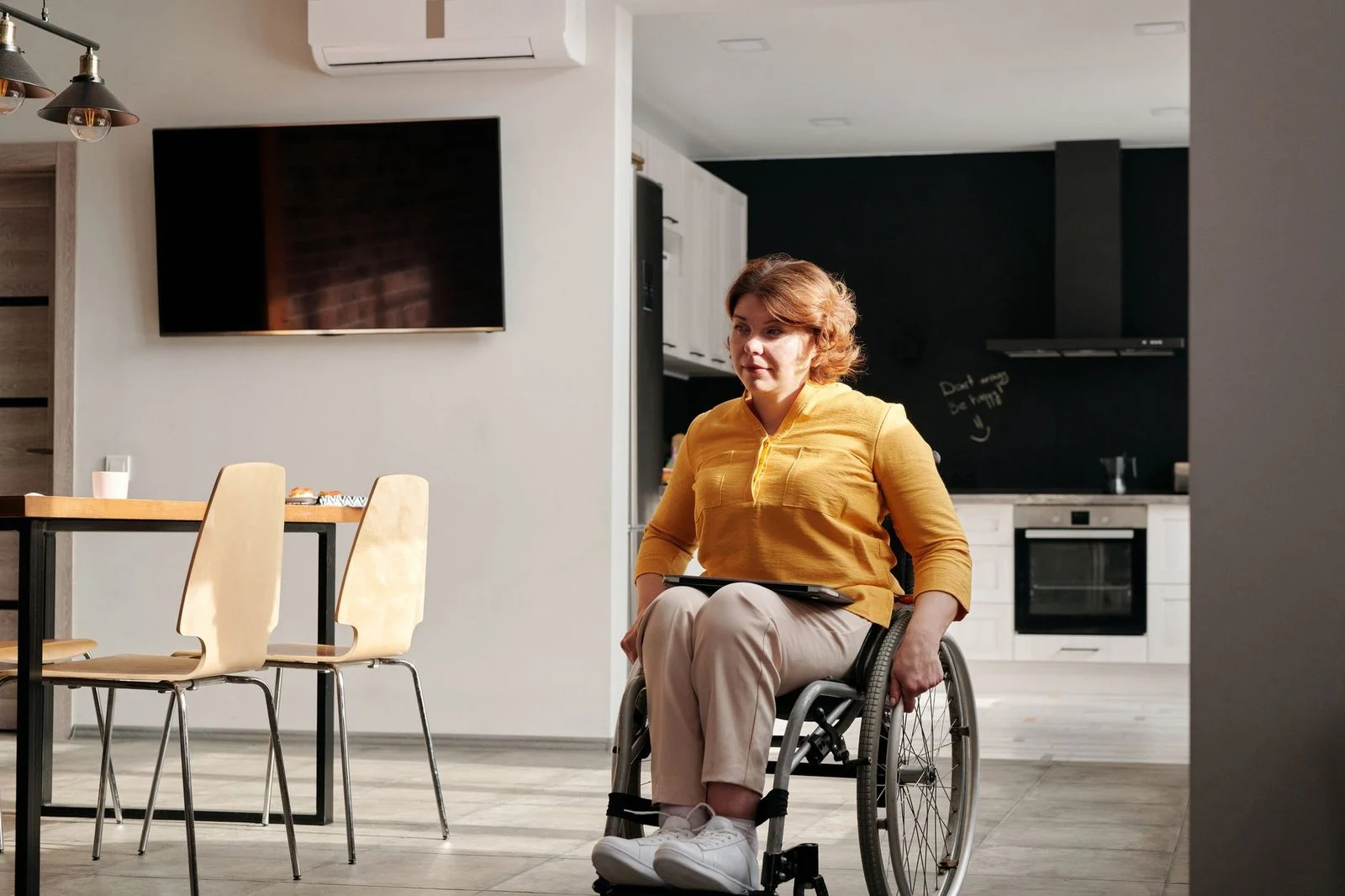
What Is Considered a Catastrophic Claim? What the Term Means
A catastrophic claim is a personal injury claim involving a severe injury with long-term effects. “Catastrophic” describes how serious the injury is and how long it lasts. It does not describe how the accident happened.
You may hear the word in the workers’ compensation system. Georgia’s workers’ compensation law defines “catastrophic injury” for that system. The definition covers spinal cord injuries involving severe paralysis of an arm, a leg, or the trunk; amputation of an arm, a hand, a foot, or a leg involving the effective loss of use of that appendage; severe brain or closed head injuries; total or industrial blindness; and other listed injuries. These include any other injury so severe that it keeps the employee from doing his or her prior work and any work available in substantial numbers in the national economy for which the employee is otherwise qualified, as described in O.C.G.A. § 34-9-200.1. That definition is a reference point for workers’ comp. It is not a general definition for every injury case.
Two people in the same crash on a busy metro Atlanta road can leave with very different injuries. One may recover fully. The other may face permanent limits. The injury itself, and what it does to daily life, is what matters.
Common Examples of Catastrophic Injuries
The injuries most often called catastrophic include spinal cord injuries with severe paralysis, severe brain injuries, amputations involving loss of use of the limb, and second or third degree burns over 25 percent of the body as a whole or third degree burns to 5 percent or more of the face or hands. Each one can change how a person moves, thinks or cares for themselves.
Spinal cord injuries can cause paralysis. According to MedlinePlus, paralysis is a loss of muscle function and can result from injuries such as a spinal cord injury or a broken neck. Spinal cord injuries vary widely in severity, and their effects depend on where the spinal cord is damaged and how much function is lost.
Brain injuries vary widely. The Brain Trauma Foundation describes traumatic brain injury as ranging from mild to catastrophic. It notes that severe cases can cause coma, death and serious lasting illness. Lasting effects depend on which part of the brain is hurt and how badly.
An amputation may mean prosthetics, rehabilitation and changes over time. Severe burns can require repeated surgeries, skin grafts and long recovery periods.
Catastrophic Injury vs. Personal Injury: What Is the Difference?
A catastrophic injury claim is a type of personal injury claim, not a separate kind of case. Personal injury is the broad category for harm caused by another party’s negligence. A catastrophic claim is one where that harm is severe and lasting.
Georgia generally follows the same basic steps for both. Under O.C.G.A. § 9-3-33, a personal injury lawsuit generally must be filed within two years after the right of action accrues, except that loss of consortium actions must be brought within four years and injuries to reputation within one year. Catastrophic cases often involve more medical records, more time and a closer look at future needs.
For a full overview, read our catastrophic injuries guide for Georgia.
Long-Term Effects and Consequences
The long-term effects are what usually mark an injury as catastrophic. These effects can last far beyond the first weeks or months after a crash.
Ongoing needs often include treatment, therapy, medicines, assistive equipment and home changes such as ramps or wider doorways. Work matters too. When a person cannot work, or can only work fewer hours, lost income can build over many years.
Georgia law separates general damages from special damages. Under O.C.G.A. § 51-12-2, general damages are those the law presumes flow from a wrongful act, and they need no proof of an amount. Special damages actually flow from the act and must be proved. Future economic losses may be reduced to present value under O.C.G.A. § 51-12-13, using a 5 percent rate or another rate the jury or judge finds appropriate.
Recovery is hard to predict. A study on natural recovery after spinal cord injury looks at recovery timelines and the factors that affect them. Full effects may take time to show, which is why follow-up care matters. To learn more, see what is considered catastrophic damage.
How Catastrophic Claims Are Documented and Evaluated
Catastrophic claims are usually built on complete medical records, imaging and notes from treating doctors and therapists. Records of ongoing care, bills and treatment plans show what the injury has required over time.
Future needs are often estimated with input from medical providers. Lost earning ability may be reviewed with input from vocational or economic professionals. Under O.C.G.A. § 51-12-1.1, medical expenses are limited to the reasonable value of medically necessary care, as the trier of fact determines. Both sides may challenge whether bills are reasonable and necessary.
Each claim turns on its own facts, and the value of any claim depends on those facts. Claims like these often take longer than other injury cases. Our timeline guide covers this in more detail.
Not sure what your next step is?
Talk it through with our team — the first consultation is free, confidential, and carries no obligation.
Common Situations That Lead to Catastrophic Injuries
Serious injuries can come from car and truck crashes, motorcycle crashes, pedestrian strikes, rideshare accidents, unsafe property, negligent security and nursing home neglect. Being on this list does not make any single incident a catastrophic claim.
Each area has its own rules. Under O.C.G.A. § 40-1-201, a ride share network service’s liability is limited by conditions, including whether the service itself was negligent. Under O.C.G.A. § 51-3-51, negligent security claims by an invitee require proof, among other things, of the points below. The third person’s wrongful conduct was reasonably foreseeable. It was a reasonably foreseeable consequence of the third person exploiting a specific physical condition of the premises known to the owner or occupier, which created a reasonably foreseeable risk of wrongful conduct on the premises substantially greater than the general risk of wrongful conduct in the vicinity of the premises. The owner failed to exercise ordinary care. This failure was a proximate cause of the injury. Under O.C.G.A. § 31-8-108, each facility resident is entitled to care provided with reasonable care and skill.
Dog bites can also cause severe harm. Under O.C.G.A. § 51-2-7, a person who owns or keeps a vicious or dangerous animal may be liable when careless management, or letting the animal go at liberty, causes injury to a person who did not provoke it. For filing timing, see our dog bite deadline guide.
Fault also matters. Under O.C.G.A. § 51-12-33, damages are reduced by the injured person’s percentage of fault. A plaintiff who is 50 percent or more responsible recovers nothing.
What to Do If Someone You Love Has a Serious Injury
Families often make medical and money decisions under stress. Keeping a simple file helps. Save medical records, bills, photos of injuries and the scene, provider names and notes about missed work and daily limits. Keep appointments and follow medical advice, since treatment records are central to any claim.
Frequently Asked Questions
What is considered a catastrophic claim?
A catastrophic claim involves a severe injury with lasting effects on health, independence or the ability to work.
How long do I have to file a Georgia injury lawsuit?
Georgia’s general personal injury deadline is two years under O.C.G.A. § 9-3-33.
Can I recover damages if I was partly at fault?
Georgia reduces damages by your share of fault, and you recover nothing at 50 percent or more (O.C.G.A. § 51-12-33; Quynn v. Hulsey (2020)).

Talk With Our Team About Your Situation
If a family member has been paralyzed or has a brain injury, you may be weighing whether to pursue a claim. That is a heavy decision, and you don’t have to make it alone. Our team at Slam Dunk Attorney can talk through the facts with you. The first consultation is free, confidential and without obligation to continue. Contact us to start that conversation.
Disclaimer: This page is general information, not legal advice. Results depend on the facts of each case. The responsible lawyer for this page is Peter F. Jaraysi of Slam Dunk Attorney, Duluth, Georgia. Contact details are on our contact page.
Factors Often Discussed in Catastrophic Cases
Severity of the Injury
Injuries that involve major damage to the brain, spine, limbs, or large areas of skin are often described as catastrophic.
Long-Term Effects
Lasting pain, ongoing treatment, or changes that continue for months or years can matter as much as the initial diagnosis.
Impact on Independence
Loss of mobility, the need for daily help, or changes to how a person cares for family can shape how a claim is understood.
Effect on Work and Income
Reduced ability to work, or permanent changes to a career, are common concerns in serious injury matters.
Keep Track of Every Symptom
Some serious injuries, especially head and spinal injuries, can cause symptoms that appear days or weeks later. Follow your doctor's advice, attend follow-up visits, and keep a written record of how you feel and what you can no longer do.
Injuries Our Team Commonly Reviews
Spinal Cord Injury and Paralysis
Injuries to the spinal cord can affect movement, sensation, and bodily function, often with lasting effects.
Traumatic Brain Injury
Brain injuries can affect memory, balance, speech, and emotional health, sometimes long after the event.
Amputation
The loss of a limb changes how a person lives, works, and moves, and often requires ongoing medical care and adaptation.
Severe Burns
Serious burns can require extended treatment, surgery, and rehabilitation, and may leave lasting physical and emotional effects.