
Dog Bite Claims | Duluth, Georgia
What Is the Legal Rule for Dog Bites in Georgia?
A plain-language overview of how Georgia law addresses injuries from dog bites, and how the team at Slam Dunk Attorney, led on this page by Peter F. Jaraysi, can help you understand your options.
By Peter F. Jaraysi · Published November 3, 2026
What is the legal rule for dog bites in Georgia? In short, the main rule is in O.C.G.A. § 51-2-7. It can make an owner or keeper of a vicious or dangerous dog liable for injuries the dog causes through careless management or by letting it go at liberty, when the injured person did not provoke the injury. This page explains the rule in plain words. Our firm is based in Duluth, Georgia. This is general information, not advice about your own bite.
Short answer: how Georgia handles dog bite claims
Georgia’s dog bite rule comes from O.C.G.A. § 51-2-7. It covers owners and keepers of dangerous animals. An owner is the person who owns the dog. A keeper is someone who has care or control of the dog, such as a relative or a renter who looks after it.
The statute says an owner or keeper of a vicious or dangerous animal may be liable in damages. That can happen when careless management, or letting the animal go at liberty, causes injury. The injured person must not have provoked the injury.
Two ideas do most of the work. One is whether the dog is vicious or dangerous. The other is whether the owner or keeper handled it carelessly.
If a dog bite has left you or someone you love hurt and unsure what comes next, our team can talk through the facts with you. Talk it through with our team — the first consultation is free, confidential, and carries no obligation.
Does Georgia have a one-bite law?
It suggests a dog gets one free bite.
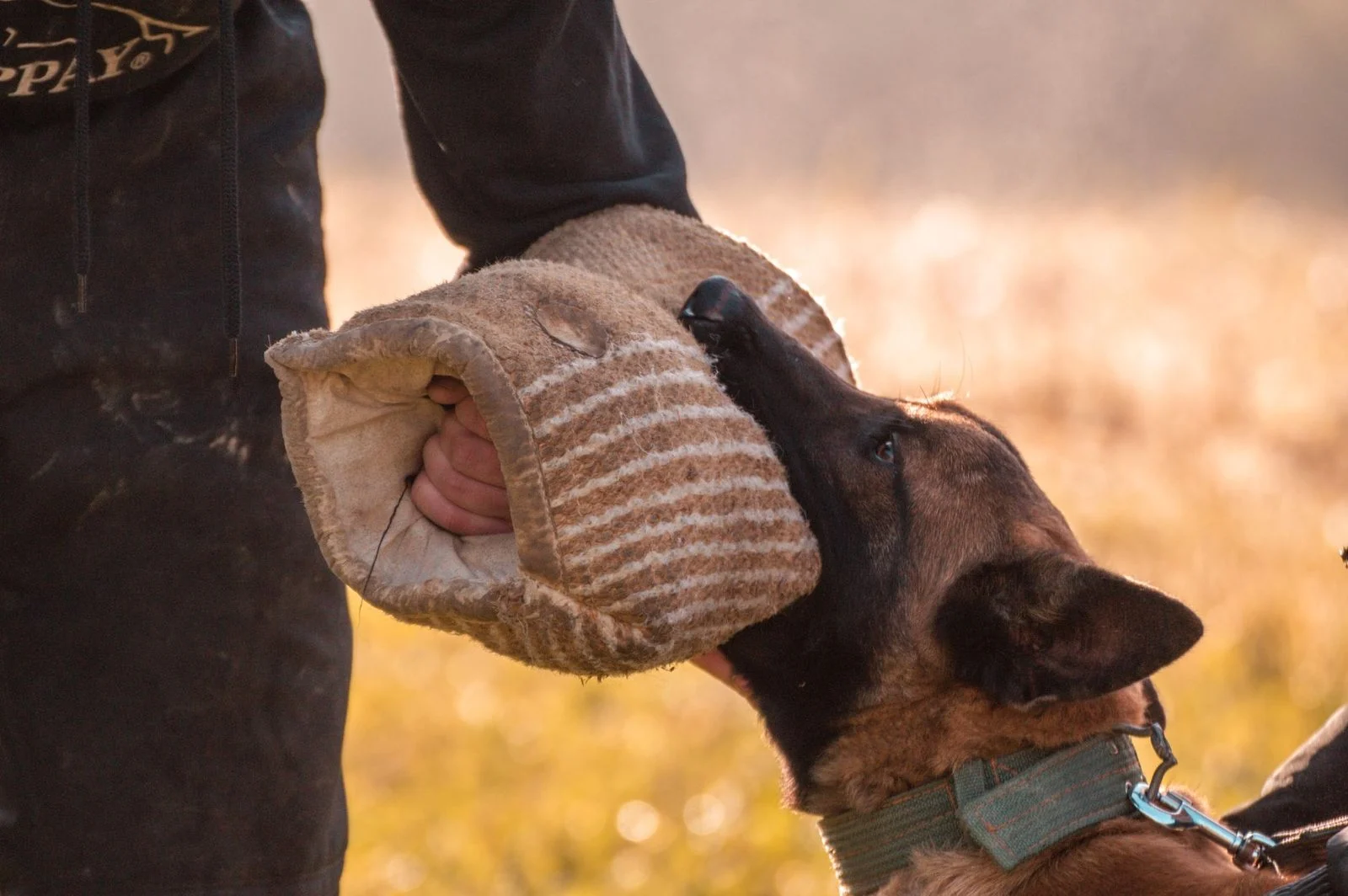
The real question is whether the dog is vicious or dangerous. Prior bites are one example. Aggression, lunging, or complaints from neighbors can matter too.
When an owner or keeper can be held liable
An owner or keeper can be liable when a vicious or dangerous dog causes injury through careless management. The same is true when the dog is allowed to go loose. The injured person must not have provoked the bite.
Leash rules can help prove the dog’s history. The statute says that proving vicious propensity is enough if a city, county, or consolidated government ordinance required the dog to be on a leash. The dog must also have been off leash at the time. The leash sentence does not apply to domesticated fowl, including roosters with spurs, or to domesticated livestock.
Shared fault can reduce recovery. Under O.C.G.A. § 51-12-33, damages drop in proportion to the injured person’s share of fault. A person who is 50 percent or more responsible cannot recover damages. Georgia also has an avoidance rule. Under O.C.G.A. § 51-11-7, a plaintiff who could have avoided the harm with ordinary care cannot recover. O.C.G.A. § 51-11-7 reads: “If the plaintiff by ordinary care could have avoided the consequences to himself caused by the defendant’s negligence, he is not entitled to recover. In other cases the defendant is not relieved, although the plaintiff may in some way have contributed to the injury sustained.”
Can the dog owner go to jail?
A civil injury claim and a criminal case are separate matters. The statute makes an owner or keeper liable “in damages.” That means money paid to the injured person.
Whether any criminal charge applies depends on the facts and local law. Prosecutors and courts make that decision. An injured person’s civil claim does not decide it.
Reporting a bite to police or animal control is also a separate step. You can report the bite and still pursue a civil claim.
What proof is needed for a dog bite claim?
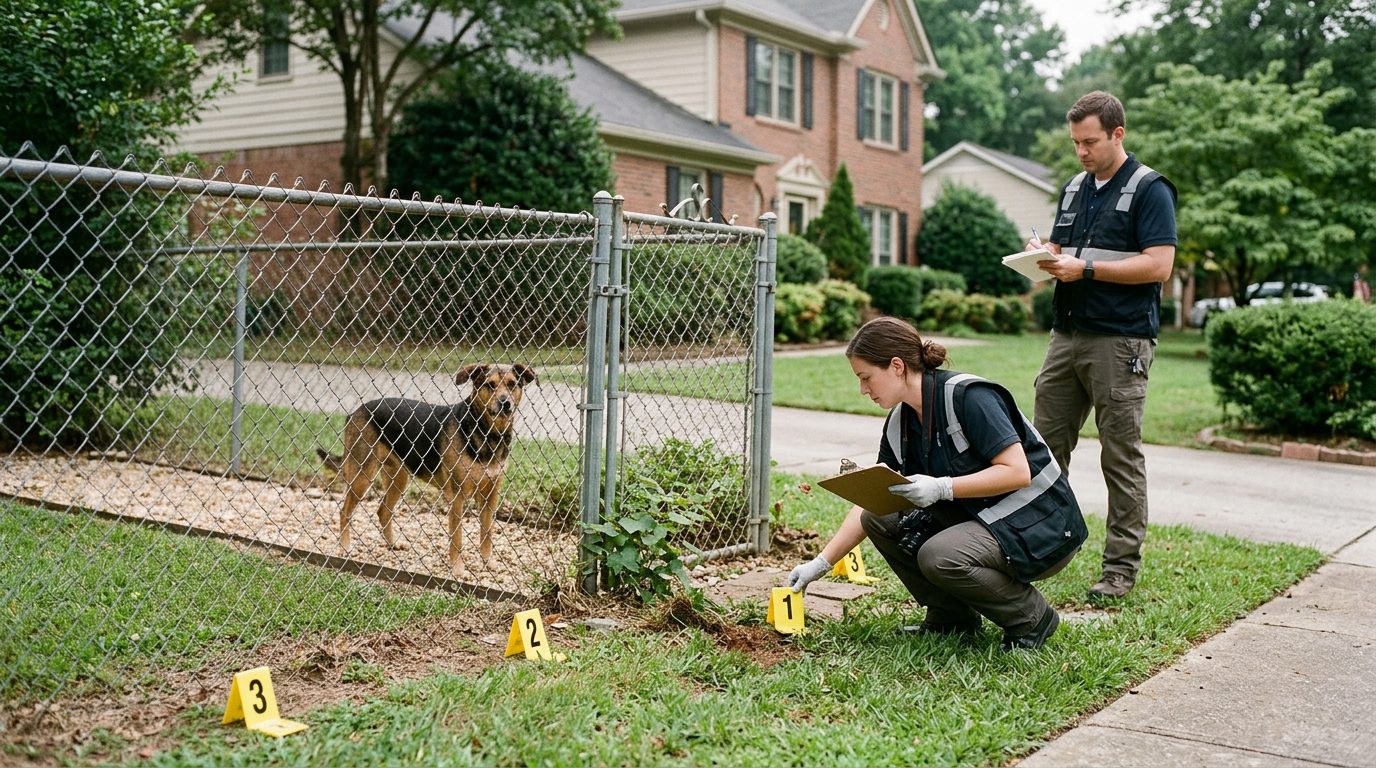
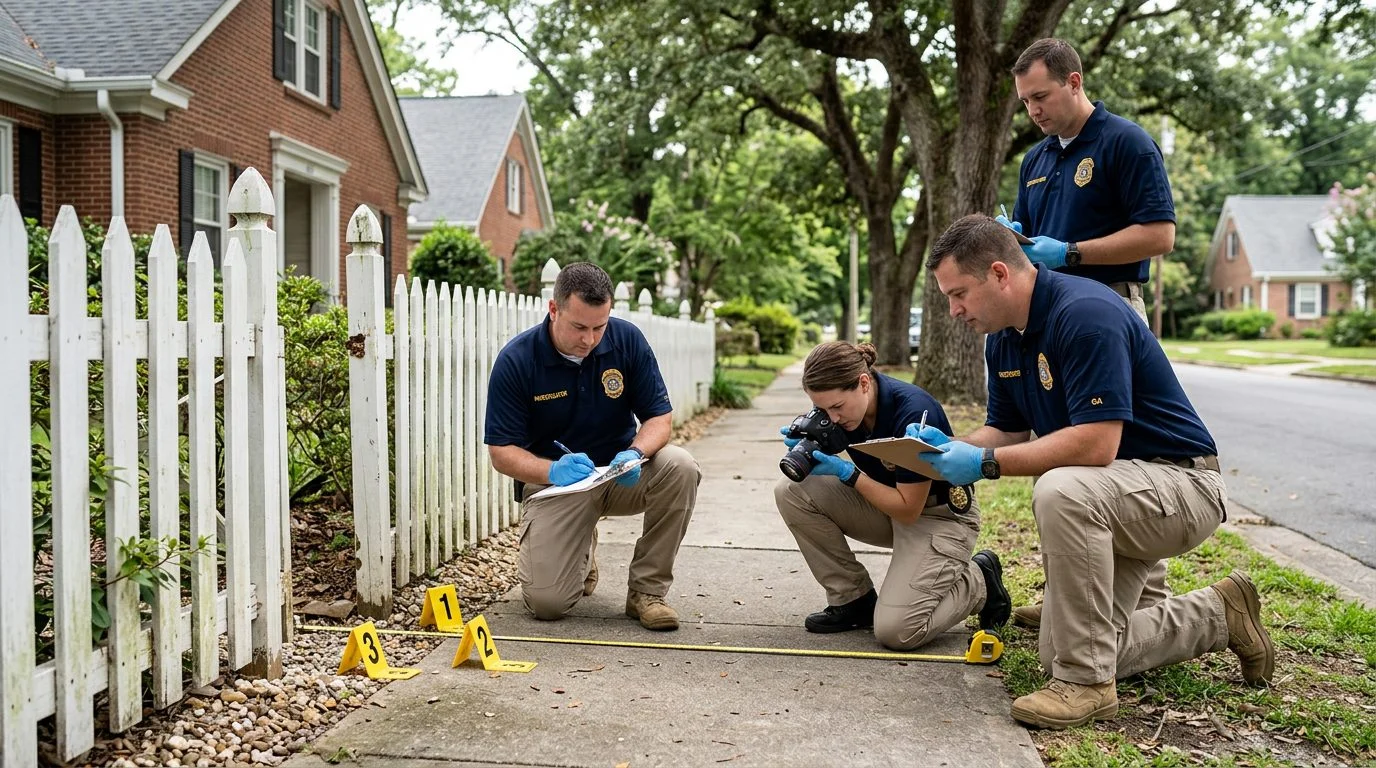
The most useful proof shows what happened, which dog was involved, and how the bite affected you. Start with photos of your injuries, the scene, and any torn clothing. Keep medical records and treatment notes from every visit.
Gather facts about the dog. Write down the owner or keeper’s name and contact details. Save any vaccination records you can get. Police or animal control reports help. So do witness statements and any prior complaints about the dog.
Neighbor or landlord complaints can show that someone knew about the dog’s behavior. Keep receipts and save texts, emails, and social media posts about the bite.
Medical costs also matter. Under O.C.G.A. § 51-12-1.1, medical expenses are limited to the reasonable value of medically necessary care. Under O.C.G.A. § 51-12-2, general damages are presumed to flow from the act. Special damages must be proved.
Can you sue a homeowner or renter for a dog bite in Georgia?
Yes, a claim can be brought against the person who owns or keeps the dog. That may be a homeowner, a renter, or a relative who cares for the dog.
Landlords are treated differently. Under O.C.G.A. § 44-7-14, a landlord who has fully parted with possession and the right of possession is not responsible to third persons for damages resulting from the negligence or illegal use of the premises by the tenant. The landlord stays responsible for defective construction and for failing to keep the premises in repair.
Many dog bite claims involve homeowner’s or renter’s liability insurance. An insurer may contact you early. Before you give a recorded statement or sign a release, understand what it covers.
Not sure what your next step is?
Talk it through with our team — the first consultation is free, confidential, and carries no obligation.
How long do you have to file a dog bite claim in Georgia?
The general deadline for an injury claim is two years. Under O.C.G.A. § 9-3-33, except as otherwise provided in this article, actions for injuries to the person must be brought within two years after the right of action accrues. Deadlines for filing an injury claim depend on the facts of each case, so it is worth asking about timing early.
Loss of consortium claims, such as a spouse’s claim for lost marital relations, have a four-year period under the same statute.
Waiting carries real risk. Witness memories fade. Video gets overwritten. Animal control and medical records can be hard to reconstruct later.
Talk with our team about your dog bite questions
If a dog bite has left you or someone you love hurt, our team can talk through the facts with you. Many readers come here while caring for an injured child, a parent, or a friend. Others are facing medical bills, a landlord’s questions, or a call from an insurer.
You don’t have to sort all of that out alone. Share the bite details, what you know about the dog, and the questions on your mind. The first consultation is free, confidential, and comes with no obligation to continue. Contact our team to start that conversation.
Quick answers
What is the legal rule for dog bites in Georgia?
Under O.C.G.A. § 51-2-7, an owner or keeper of a vicious or dangerous animal may be liable for injuries caused by careless management or by letting the animal go at liberty.
Can I sue a homeowner for a dog bite in Georgia?
Yes, a claim can be brought against the person who owns or keeps the dog, which can include a renter or a relative.
How long do I have to file a dog bite claim?
Georgia generally allows two years from the date of the injury for injury claims under O.C.G.A. § 9-3-33.
This page is general information, not legal advice. Responsible lawyer: Peter F. Jaraysi, Slam Dunk Attorney, Duluth, Georgia. Contact: our contact page.
How We Can Help After a Dog Bite
Clear, honest answers
We explain how Georgia dog bite law may apply to your situation in plain language, so you know what to expect.
Careful review of the facts
We look at the incident report, medical records, and any information about the dog's history and the owner's responsibilities.
Protecting your interests
Our lawyers handle communications with insurance companies so you can focus on your recovery.
Support for injured people and families
We understand how frightening a dog attack can be, and we work with you and your family through each step.
Keep Track of Important Details
Write down where and when the bite happened, take photos of your injuries, and save medical bills and treatment notes. Before you give a recorded statement to an insurance company, talk with our team.
Questions That Often Come Up in Dog Bite Cases
Who owns or keeps the dog?
The identity of the owner, keeper, or household member can affect who may be responsible for the injury.
What happened before the bite?
Prior warnings, aggressive behavior, or the way the dog was confined can be important facts to review.
Where did the bite occur?
Whether the bite happened on private property, in a public place, or at a rental property can change how the claim is evaluated.
What care did you receive?
Emergency treatment, follow-up visits, and any scarring or lasting injuries all shape how your claim is documented.