

Catastrophic Injuries | Duluth, Georgia
Understanding Catastrophic Damage After a Serious Injury
A plain-language guide to the injuries that are often called catastrophic, how they change daily life, and how our team can help you think through your next steps.
By Peter F. Jaraysi · Published November 21, 2026
What is considered catastrophic damage?
What is considered catastrophic damage? When someone is hurt this badly, the injury is often severe and usually lasting. It can change how a person moves, thinks, works, and cares for daily life.
If you are reading this for a loved one, or for yourself, you may be facing hard questions all at once. This guide explains the term in plain language, the injuries it usually covers, and what it can mean under Georgia injury law.
Not sure what your next step is?
Talk it through with our team — the first consultation is free, confidential, and carries no obligation.
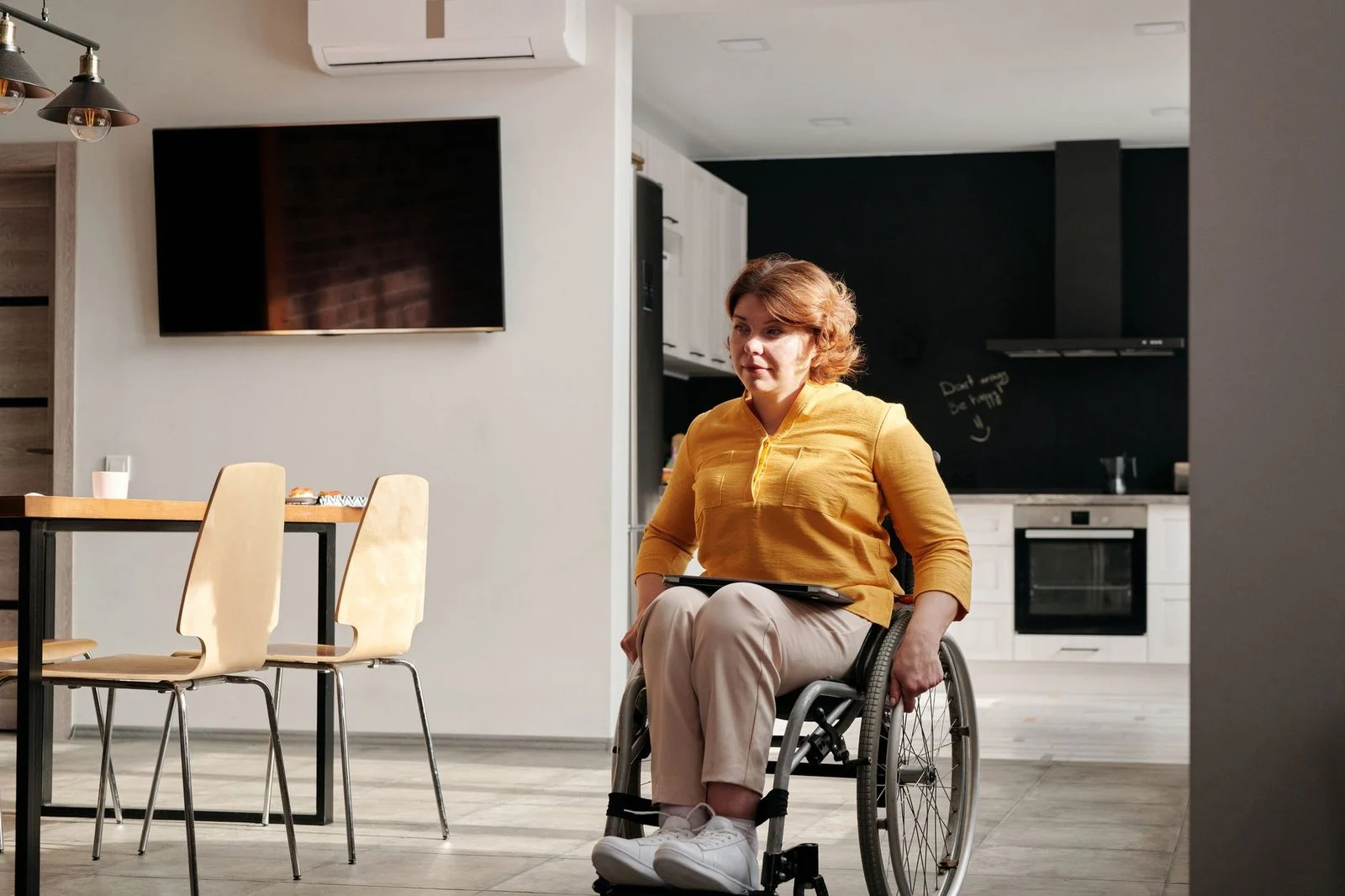
What is considered catastrophic damage in plain terms
Catastrophic damage is harm severe enough to last for years, or permanently. It can limit a person’s ability to walk, use their hands, see, speak, think clearly, work, or care for themselves.
Many people picture the moment of impact when they hear the word. The term looks at what comes after. A broken bone that heals in a few months is serious, but it usually does not describe lasting loss. An injury that keeps someone from returning to work or home life as they knew it is a different situation.
Doctors and courts both focus on how long the effects will last and how much they change daily life. A person may have a long hospital stay, several surgeries, and years of rehabilitation. Even then, the body may not return to how it was before.
Whether a specific injury fits the category depends on the facts of each case, including the medical records and how the injury affects the person. This guide offers general information, not a judgment about any one injury. Our team at Slam Dunk Attorney, based in Duluth, Georgia, reviews these facts with people one case at a time.
Common examples of catastrophic injuries
The most common examples are spinal cord injury with paralysis, traumatic brain injury, amputation, and severe burns. Each one can change a life in different ways.
Spinal cord injury and paralysis. MedlinePlus describes paralysis as a loss of muscle function. It can result from catastrophic injuries such as a spinal cord injury or a broken neck. Damage to the spinal cord can affect movement and feeling below the injury. Recovery differs from person to person. Researchers track these changes over time, as in a study of natural recovery after spinal cord injury.
Traumatic brain injury. The Brain Trauma Foundation notes that traumatic brain injuries can range from mild to catastrophic. Severe cases can cause coma, death, serious illness, and heavy medical use. Even less severe cases can affect memory, thinking, speech, mood, and independence.
Amputation. Losing a limb changes how a person walks, drives, works, and handles everyday tasks. Many people need a prosthetic and months of rehabilitation to learn new ways of moving.
Severe burns. Deep burns can damage several layers of skin and tissue. Treatment may involve repeated surgeries, skin grafts, and long-term care for scarring and movement.
These four are common examples, not a complete list. Other injuries can also be catastrophic when they meet the same test of lasting harm.
How catastrophic injuries happen
Catastrophic injuries usually come from high-force events. These include large truck crashes, motorcycle and pedestrian impacts, and unsafe property conditions.
Car and truck collisions cause many severe injuries. High speed adds force to every impact. Large commercial trucks weigh far more than passenger cars, so a crash with one can cause crushing injuries to the spine, chest, and head.
Motorcycle riders and pedestrians have less protection. A rider can be thrown from the bike, and a walker has no frame of steel or glass around them.
Rideshare crashes involving an Uber or Lyft driver, a passenger, or another driver can cause the same harm. Georgia’s ride share law sets conditions on when a ride share network service can be liable, so these cases need close review.
Dog bites can cause deep wounds, nerve damage, and disfigurement. Georgia law allows a claim against an owner or keeper of a vicious or dangerous animal who, through careless management or by letting the animal go at liberty, causes injury to a person who did not provoke it. See O.C.G.A. § 51-2-7.
Premises incidents, such as falls on unsafe property or at short-term and vacation rentals, can cause fractures and head injuries. Negligent security cases involve assaults on property where the owner should have protected visitors.
Nursing home residents are owed care “with reasonable care and skill” and “with respect for the resident’s personal dignity and privacy,” under Georgia’s resident care law. When that care fails, the harm can be severe. Wrongful death is the most serious outcome, and it is covered in the next section.
Key characteristics that set catastrophic injuries apart
An injury is usually called catastrophic when it is permanent, affects a major body function, needs long-term care, and requires a long recovery.
- Permanence. The injury is not expected to fully heal, or the person will live with lasting limits.
- Loss of function. The injury affects a major system, such as movement, vision, speech, or thinking.
- Ongoing medical needs. The person may need lifelong treatment, equipment, or in-home help.
- Long recovery. Treatment can run for months or years, with multiple surgeries and rehabilitation phases.
These traits often show up together. A spinal cord injury, for example, can involve permanent loss of function, lifelong equipment needs, and years of therapy. No single trait settles the question. Medical records and treatment plans show how these traits play out for a specific person.
Long-term effects and consequences for families
The effects of a catastrophic injury often reach past the hospital and into the whole household. The costs and changes can continue for years.
Medical and rehabilitation bills keep coming after the accident. A person may lose or reduce the ability to work, which can change a career path or household income. Daily tasks such as bathing, driving, or managing a home may need help from others.
Spouses, parents, and adult children often take on caregiving roles. That work takes time, energy, and money, and it changes family life.
Georgia law separates general damages from special damages. Under O.C.G.A. § 51-12-2, general damages are those the law presumes to flow from a wrongful act, and they can be recovered without proof of any amount. Special damages actually flow from the act, and they must be proved.
When a spouse or parent dies from a wrongful act, O.C.G.A. § 51-4-2 allows a surviving spouse to recover the full value of the decedent’s life, as shown by the evidence. If there is no surviving spouse, a child or children may recover.
Not sure what your next step is?
Talk it through with our team — the first consultation is free, confidential, and carries no obligation.
How catastrophic damage affects a personal injury claim
A catastrophic injury claim looks at both losses that have already happened and needs that will continue. Because the effects last, the claim considers future medical care, lost earning ability, and changes to daily life.
Detailed medical records, treatment plans, and a clear account of the accident help show the full picture. A written record of daily limits can also help. It shows what the person can no longer do, and how often they need help.
Georgia also looks at fault. Under O.C.G.A. § 51-12-33, damages are reduced by the injured person’s percentage of fault. A person who is 50 percent or more responsible for the injury is not entitled to any damages.
Negligent security claims have their own rules. Under O.C.G.A. § 51-3-51, the injured person must prove, among other things, that the third person’s wrongful conduct was reasonably foreseeable and that the owner or occupier failed to use ordinary care.
Many of these claims take time. Our guide on how long a personal injury case can take in Georgia covers the timing questions people often ask.
Time limits to keep in mind
In most Georgia personal injury cases, the lawsuit must be filed within two years. O.C.G.A. § 9-3-33 says actions for injuries to the person must be brought within two years after the right of action accrues.
The same statute says actions for injuries to the person involving loss of consortium must be brought within four years after the right of action accrues.
Other claims can carry different deadlines, so it helps to review timing early. Our guide on the time limit for a dog bite claim in Georgia shows how timing can work for one type of case.
Acting early keeps more options open. Waiting can make it harder to gather records, witnesses, and evidence while they are still available.
Common questions about catastrophic injury claims
A catastrophic injury claim is a claim for harm from an injury that is severe, lasting, or permanent. Each question below has a short answer.
What is a catastrophic injury claim?
It is a claim seeking compensation for losses caused by a severe injury that lasts or is permanent. The losses can include medical costs, lost work, and changes to daily life.
What is the hardest injury to prove?
Some injuries, such as certain brain injuries, can be harder to show at first because the signs may not be obvious. Careful medical documentation helps show the full effect over time.
For a broader overview of the category, read our guide to catastrophic injuries in Georgia.
Talk with Slam Dunk Attorney about your situation
If you are trying to decide whether a serious injury calls for a talk with a lawyer, that is a reasonable question to ask now.
You may be sitting in a hospital waiting room, helping a parent through rehab, or managing your own recovery after a crash, bite, fall, or nursing home concern you never chose. The question in front of you may be whether a truck crash, rideshare trip, dog bite, or care problem has caused lasting harm, and what that means for your options.
Slam Dunk Attorney, based in Duluth, Georgia, offers a free first consultation that is confidential and carries no obligation to continue. Reach out through our contact page when you are ready to talk through the facts.
General information only, not legal advice. Responsible lawyer: Peter F. Jaraysi, Slam Dunk Attorney, Duluth, Georgia. Contact details are on the contact page.
Injuries Often Discussed as Catastrophic
Spinal Cord Injury and Paralysis
Damage to the spinal cord can affect movement, sensation and independence, and may require long-term medical care and adaptive equipment.
Traumatic Brain Injury
Brain injuries can affect memory, thinking, mood and balance, and their effects may take time to fully appear.
Amputation
The loss of a limb can bring surgery, prosthetics, rehabilitation and lasting changes to work and everyday tasks.
Severe Burns
Serious burns can involve repeated surgeries, scarring, pain management and long recovery periods.
Get Medical Care Even If You Feel Fine
Some serious injuries, including certain brain injuries, do not show obvious signs right away. A medical evaluation after an accident helps protect your health and creates an accurate record of your condition.
How a Catastrophic Injury Can Affect Your Life
Medical Needs
Ongoing treatment, therapy, medication and follow-up visits can continue for months or years.
Work and Income
Some injuries limit the ability to work or change the kind of work a person can do.
Daily Living
Tasks such as driving, caring for children or managing a home may need new routines or help from others.
Family Impact
Loved ones often take on caregiving roles and face emotional and financial strain as well.