
Catastrophic Injuries | Duluth, Georgia and Metro Atlanta
Facing a Serious Brain Injury? You Don't Have to Sort Out the Next Steps Alone
Our Duluth, Georgia personal injury firm helps people and families after traumatic brain injuries caused by car, truck, motorcycle, rideshare, pedestrian and other accidents across metro Atlanta and Georgia. Your first consultation is free, confidential and without obligation.
By Peter F. Jaraysi · Published October 27, 2026
A catastrophic brain injury is a brain injury that causes lasting harm to how a person thinks, moves, feels, or lives. If someone you love has one because another person was careless, Georgia law may allow a claim for the losses that follow. Slam Dunk Attorney, based in Duluth, Georgia, represents people hurt in these cases across metro Atlanta and the state. Below, we explain the medical basics first, then how a Georgia claim works.
What Is a Traumatic Brain Injury and How Does It Affect the Brain?
A traumatic brain injury (TBI) is brain damage caused by an outside force. A blow, jolt, or bump to the head or body can cause one. So can an object that enters brain tissue. Brain Trauma Foundation guidance notes that these injuries range from mild to catastrophic.
The brain can be hurt in two ways. The skull may strike something hard. The head may also move so fast that the brain shifts inside it. That motion can stretch and tear nerve fibers.
One common pattern is diffuse axonal injury, or DAI. It means widespread damage to the nerve fibers that connect different parts of the brain. Because those fibers carry messages, DAI can affect many functions at once.
A concussion is a mild TBI, and it still deserves medical attention. The term TBI covers a wide range. It runs from a brief concussion to an injury that can cause coma or death.
If a crash, fall, or assault has left you or someone you love with a brain injury, our team can talk with you about what it may mean for a claim. Talk it through with our team — the first consultation is free, confidential, and carries no obligation.
What Makes a Brain Injury Catastrophic?
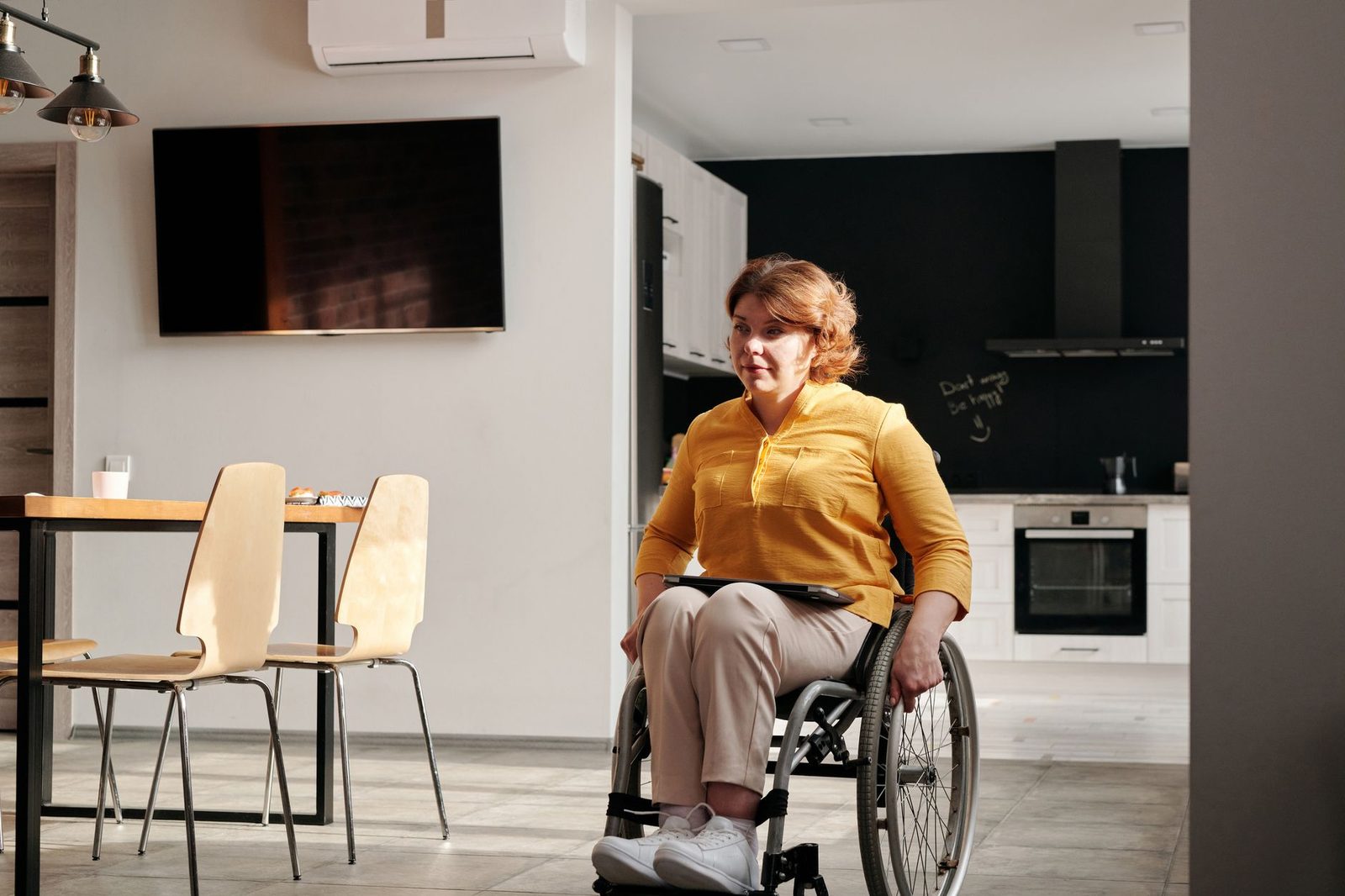
A catastrophic brain injury is one whose effects are severe and lasting enough to change daily life, work, or independence. No single test sets that line. Severity depends on the damage, the person, and what follows.
Common lasting effects include:
- Trouble with memory, speech, or thinking
- Loss of movement or balance
- Changes in mood or behavior
- A need for long-term medical care, rehabilitation, or help at home
Paralysis is one serious outcome. MedlinePlus paralysis overview describes it as a loss of muscle function. It can result from catastrophic injuries such as spinal cord injuries.
Treating physicians, imaging, and the medical record decide how a particular injury is classified. Your doctors’ notes matter most for that decision.
What Causes Traumatic Brain Injuries in Georgia?
Traumatic brain injuries in Georgia often follow a crash, a fall, or an assault. Someone else’s carelessness often made it possible. The firm handles these kinds of cases:
- Car, truck, and motorcycle crashes, where a head strikes a windshield, pavement, or the vehicle’s interior
- Pedestrian accidents, when a driver hits someone on foot
- Rideshare accidents involving Uber or Lyft drivers
- Slip and fall and other premises liability injuries. Under O.C.G.A. § 51-3-1, an owner or occupier who invites people onto land must use ordinary care to keep the premises and approaches safe.
- Injuries at short-term rentals, such as Airbnb or VRBO properties
- Negligent security, when poor protection contributed to an assault
Rideshare claims have added rules. Under O.C.G.A. § 40-1-201, a ride share network service is not liable for a driver’s operation of a personal passenger car when certain conditions are met. O.C.G.A. § 40-1-201 reads: “(a) No ride share network service shall be liable under any theory of liability, including, but not limited to, vicarious or product liability, for any injury to persons or damage to property from the operation of a personal passenger car by a ride share driver by reason of owning, operating, or maintaining a digital network or internet network to connect passengers to ride share drivers for the purpose of prearranged transportation for hire or for donation, provided that.” One condition is that there has been no negligence or criminal misconduct by the ride share network service. Whether a claim can proceed depends on the facts of the crash.
What Are the Signs and Long-Term Effects of a TBI?
Serious TBI symptoms can appear at the scene or develop over hours, days, or weeks. Warning signs that need emergency care include loss of consciousness, repeated vomiting, confusion, seizures, and unequal pupils. Brain Trauma Foundation guidance covers how these injuries are handled in emergency care.
Long-term effects can include:
- Memory problems and trouble concentrating
- Changes in mood, personality, or behavior
- Fatigue and headaches
- Balance and motor problems
Symptoms can look different in children and older adults. An age-specific evaluation helps the medical team understand what the injury is doing. Don’t wait for symptoms to settle on their own before getting checked.
Can a Brain Injury Be Cured, and What Does Recovery Involve?
There is no single cure for every brain injury. Some abilities improve over time. Others may not fully return.
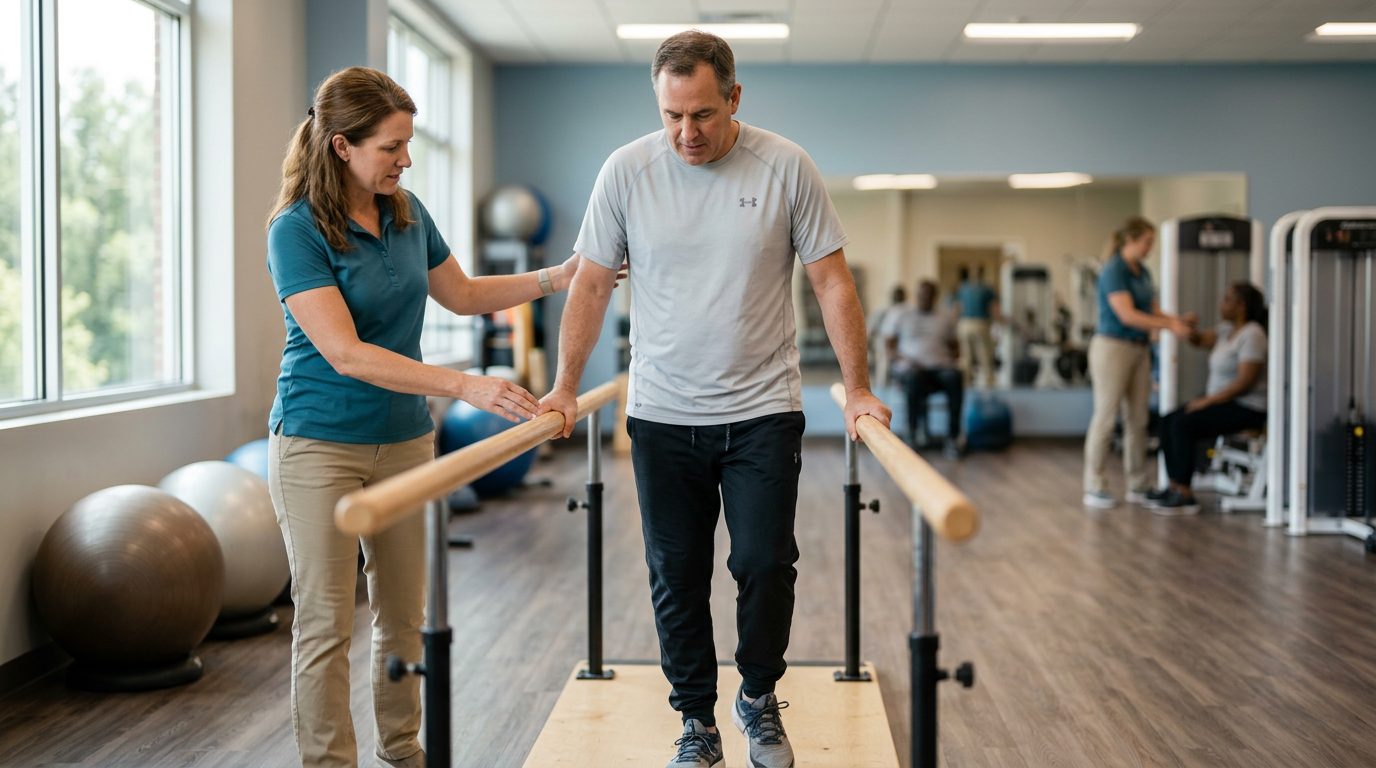
Recovery usually has three parts. These are emergency and acute medical care, rehabilitation as an inpatient or outpatient, and long-term treatment planned with the treating physicians. Recovery timelines vary widely. Your treating medical team is the right source for questions about prognosis.
Spinal cord injury recovery research describes recovery timelines and the factors that affect neurological and functional recovery. That research covers spinal cord injuries, not brain injuries. Still, it shows how recovery is studied over time.
Rehabilitation notes, therapy records, and provider notes also matter in a claim. They help show how the injury affects daily life.
How Does a Georgia Brain Injury Claim Work?
A brain injury claim in Georgia is generally a personal injury claim. It is based on another party’s negligence or wrongful conduct.
Georgia’s general deadline for injury-to-person actions is two years. O.C.G.A. § 9-3-33 says these injury-to-person actions must be brought within two years after the right of action accrues, except for actions for injuries to the person involving loss of consortium, which must be brought within four years after the right of action accrues. Claims against a city have an earlier step. Under O.C.G.A. § 36-33-5, a written claim must go to the city’s governing authority within six months of the event.
Georgia also uses a modified comparative fault rule, or shared fault. Under O.C.G.A. § 51-12-33, damages are reduced in proportion to the injured person’s fault. A person who is 50 percent or more responsible recovers nothing. Each liable party pays its own apportioned share, not a joint share.
A typical claim follows these steps:
- Free consultation. You describe what happened and your medical situation.
- Investigation. The firm gathers crash reports, photos, witness details, and other evidence, and preserves it.
- Records. Medical, rehabilitation, and billing records are collected.
- Professional input. Medical and vocational professionals help estimate future care and work needs.
- Resolution. The claim may be negotiated, or a lawsuit may be filed if needed.
Damages are the money losses a claim seeks. Under O.C.G.A. § 51-12-2, general damages are presumed and need no proof of amount. Special damages must be proved. Medical expenses are limited to the reasonable value of medically necessary care, under O.C.G.A. § 51-12-1.1.
Not sure what your next step is?
Talk it through with our team — the first consultation is free, confidential, and carries no obligation.
Why Work With Slam Dunk Attorney on a Brain Injury Claim?
Slam Dunk Attorney is a personal injury law firm based in Duluth, Georgia. It represents people across metro Atlanta and Georgia, including Lawrenceville, Johns Creek, Alpharetta, Marietta, Norcross, Kennesaw, and Dunwoody.
Our lawyers, Peter F. Jaraysi and Brian D. Wright, work with our team on catastrophic injury matters. The firm’s practice areas include catastrophic injuries, wrongful death, nursing home abuse, and rideshare and short-term rental injuries. They also cover car, truck, motorcycle, and pedestrian crashes, premises liability, slip and fall, and negligent security.
We know a brain injury affects the whole family. We explain each step in plain language, so you can make decisions with clear information.
Our first consultation is free, confidential, and carries no obligation to continue.
Frequently Asked Questions About Catastrophic Brain Injury Claims in Georgia
What are the long-term effects of a brain injury?
Common effects include memory trouble, trouble concentrating, mood changes, fatigue, headaches, and balance problems. Treating physicians assess each person’s condition.
Can a brain injury be cured?
There is no single cure. Some abilities improve over time, and others may not fully return.
What is the most serious type of brain injury?
Severity depends on the lasting effects, not one label. Medical evaluation decides how an injury is classified.
How long do I have to file a brain injury claim in Georgia?
Georgia generally allows two years for personal injury actions. Claims against a city have an earlier written-notice step.
Does fault affect a brain injury claim?
Yes. Georgia reduces damages by the injured person’s share of fault. A person who is 50 percent or more responsible recovers nothing (O.C.G.A. § 51-12-33; Quynn v. Hulsey (2020)).
Do I need to see a doctor before contacting a lawyer?
Medical care comes first. Your medical records are central to any catastrophic brain injury claim.
If a crash, fall, or assault has left you or someone you love with a brain injury, request a free consultation with our team. We’ll talk through what it may mean for a claim.
Responsible lawyer: Peter F. Jaraysi, Slam Dunk Attorney, Duluth, Georgia. Contact: https://slamdunkattorney.com/contact-us/. This page is general information, not legal advice.
How Our Firm Approaches Brain Injury Cases
Plain-Language Guidance
Brain injuries can be hard to understand. We explain medical terms, legal options and each step in clear language so you can make informed decisions.
Attention to the Whole Family
Serious injuries affect spouses, parents, children and caregivers. We take time to understand how the injury has changed daily life at home and at work.
Careful Review of the Facts
We look closely at how the injury happened, the medical records and the parties involved, and we keep you informed as the review moves forward.
Responsive Support
Our team is available to answer your calls and questions, and we work to keep communication clear and steady throughout your case.
A Helpful Tip After a Head Injury
Some brain injuries do not show symptoms right away. Seek prompt medical evaluation after any head impact, and keep copies of your medical records, bills and notes about how you are feeling. Be cautious about giving recorded statements to insurance representatives before you have talked with a lawyer.
Types of Cases We Handle Involving Serious Brain Injuries
Car and Truck Accidents
Collisions with passenger vehicles, commercial trucks and other drivers can cause head trauma, sometimes with lasting effects.
Motorcycle and Pedestrian Accidents
Riders and pedestrians have less protection, and a head injury can change a person's health, work and independence.
Rideshare and Short-Term Rental Injuries
Injuries involving Uber or Lyft trips, or unsafe conditions at Airbnb and VRBO properties, can lead to serious brain trauma.
Premises and Negligent Security
Falls, unsafe property conditions and inadequate security can result in traumatic brain injuries that require long-term care.