
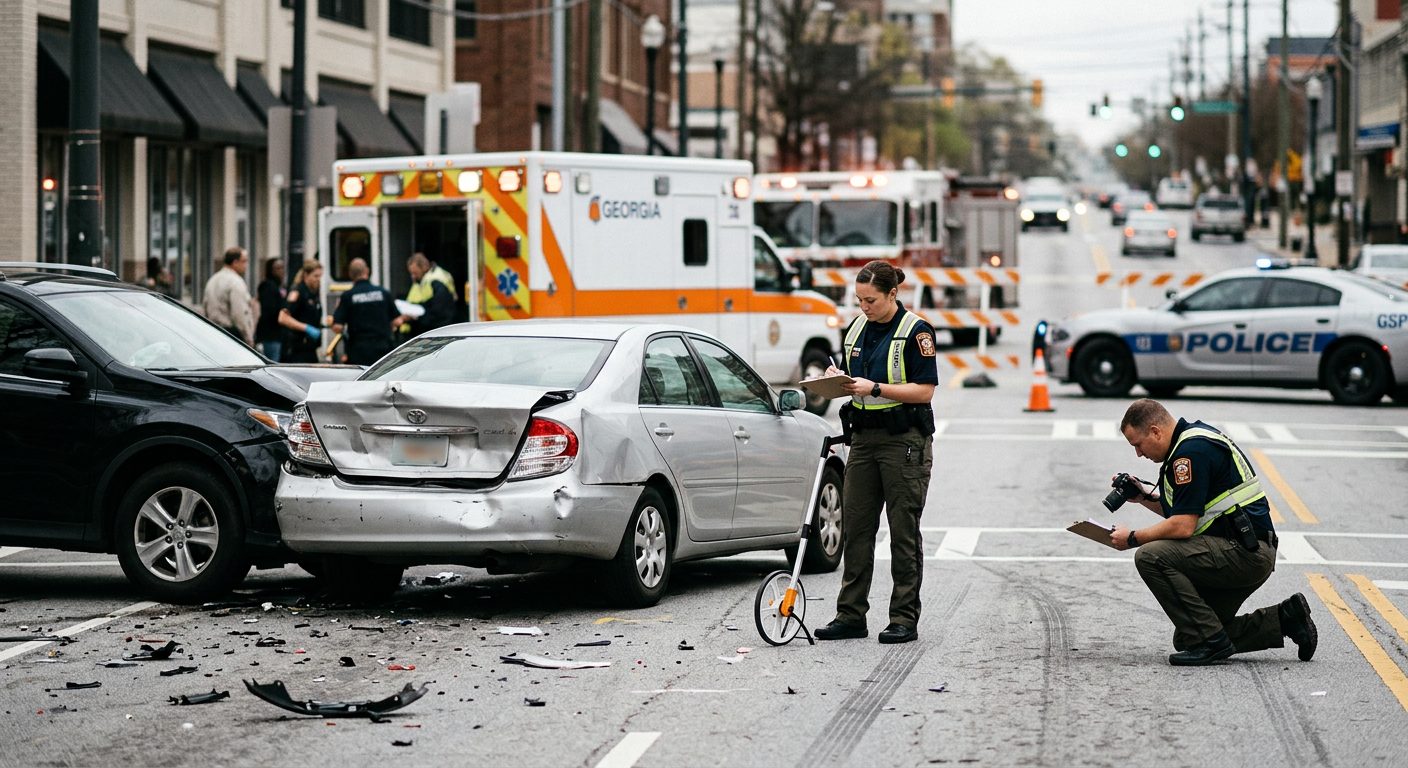
Car Accident Support | Duluth, Georgia
You Don't Have to Figure Out the Next Steps Alone
A calm, plain-language guide to the physical, emotional, and practical challenges that often follow a car accident in Georgia, and how to get support.
What Many People Feel After a Crash
Shock and Shakiness
It is common to feel shaky, tearful, or numb in the days after a crash. These reactions are a normal response to a frightening event.
Sleep and Focus Trouble
Trouble sleeping, racing thoughts, and difficulty concentrating can make ordinary tasks feel harder than usual.
Lingering Worry
Some people feel anxious when driving, hearing brakes, or riding as a passenger. Talking with a doctor or counselor can help when these feelings do not fade.
Pressure From Everyday Life
Missed work, medical appointments, and calls from insurers can add stress at a time when energy is already low.
By Peter F. Jaraysi · Published October 25, 2026
How to cope after a car accident starts with three things: rest, steady care for your body, and honest attention to your feelings. Most people feel shaken, tense, or numb for days after a crash. That reaction is common. Some reactions, though, need a doctor or therapist. This guide covers what is normal, simple ways to calm down, and the signs that call for professional help. It also explains how recovery connects to any claim you may have in Georgia. Our firm is based in Duluth and represents people hurt in crashes across metro Atlanta. This information is general, and the right next steps depend on the facts of your crash.
What Is Normal in the First Days After a Car Accident?
Shock, numbness, and replaying the crash are common in the first days after a collision. Your body is still in alarm mode, so you may feel strange, flat, or jumpy.
You may cry for no clear reason. A simple task, like making coffee, may feel hard. You may replay the moment of impact again and again. Many people say, “I can’t believe this happened,” or, “If only I had left five minutes earlier.” That kind of thinking is part of how the mind tries to make sense of a sudden event.
Feelings can also arrive late. Some people feel fine at the scene, then feel shaky or tearful days later, once the adrenaline wears off. That delay is common. It does not mean you are handling things wrong.
Simple care helps. Keep routines basic. Eat small, regular meals and drink water. Let someone drive you to appointments or pick up groceries. If you are helping a family member, offer specific tasks, such as “I’ll bring dinner Tuesday.” Specific offers are easier to accept than “let me know what you need.”
If medical visits, missed work, and calls from insurers have you stuck after your crash, our team can talk through your options with you, whenever you're ready. Talk it through with our team — the first consultation is free, confidential, and carries no obligation.

How to Calm Down After an Accident
To calm down after an accident, slow your breathing and focus on what is around you. Try these steps when your heart is racing.
Breathe in slowly through your nose. Breathe out longer than you breathed in. Repeat for a minute or two. Then name five things you can see in the room and four things you can touch. Press your feet flat on the floor and notice the weight of your body in the chair.
Panic can feel frightening. A racing heart, shaking, a tight chest, and shortness of breath are common. These feelings usually peak and then ease, even though they can feel endless in the moment.
Avoid alcohol, sleeping pills, or other sedatives to numb the feelings. They can disrupt sleep and make mood worse the next day.
If someone else is panicking, stay calm and speak in short, simple sentences. Help them sit somewhere safe, away from traffic. Stay with them and keep your voice steady. Chest pain, trouble breathing that does not ease, or signs of a head injury need emergency care right away.
How Long Does It Take to Mentally Recover From a Car Accident?
There is no single timeline for how to cope after a car accident. Recovery depends on the crash, the injuries, and the person who was hurt.
For many people, the strongest stress reactions ease within the first few weeks. Some reactions last longer, especially when injuries are serious. Pain, poor sleep, and worry about bills or work can keep stress high.
Head injuries deserve special attention. The Brain Trauma Foundation notes that traumatic brain injuries can range from mild to catastrophic. Any head impact should be checked by a medical provider.
Serious spinal injuries bring their own long recovery. MedlinePlus describes paralysis as a loss of muscle function that can result from spinal cord injuries.
A simple symptom journal helps. Each day, write the date, hours of sleep, pain level, mood, and any flashbacks or appointments. Bring this notebook to your doctor or therapist. It gives them a clear picture instead of memory alone.
Signs That Anxiety, Depression, PTSD, or Grief Need Professional Attention
Get professional help when fear, low mood, or intrusive memories last for weeks or make daily life harder. A doctor or licensed counselor can help you sort out what you are facing.
Anxiety after a crash can look like avoiding certain roads, feeling jumpy at car horns, or checking mirrors constantly. Some people feel on edge all day.
Depression can look different. Watch for loss of interest in things you used to enjoy, low mood most days, pulling away from friends, or changes in sleep or appetite.
PTSD (post-traumatic stress disorder) involves reliving the event. Common signs include flashbacks, nightmares, and strong reactions to reminders, such as sirens, screeching tires, or the intersection where the crash happened.
Grief is common when someone died in the crash. Grief can be intense and long. Talking with a doctor or licensed counselor is appropriate, and it does not mean something is wrong with you.
If you have thoughts of harming yourself, get emergency help right away. Call 911 or go to the nearest emergency room. Do not wait for the feeling to pass.
How Many Days Should You Rest, and When Can You Drive Again?
Rest needs depend on your injuries, so follow your treating doctor’s advice rather than a set number of days. A fixed count of days does not fit every crash.
Rest does not mean staying in bed all day. Long periods of inactivity can increase stiffness and low mood. Short walks and gentle stretches help many people move again. Keep any physical therapy appointments your doctor prescribes.
Driving again is hard for many people, and a fear of driving is a common reaction. Start with a plan:
- Ride first with a trusted, calm driver.
- Drive in low-traffic areas and in daylight at first.
- Take breaks on longer trips.
- Plan routes that avoid the intersection where the crash happened, if you can.
- Tell your doctor or therapist if fear keeps you off the road.
Your provider can recommend a treatment plan for trauma symptoms. Ask which options fit your symptoms.
Support From Family, Friends, and Your Medical Team
Support helps most when it is specific and steady. Friends and family can handle rides, meals, childcare, and quiet listening without pushing you to move on faster.
Keep your medical appointments and follow your treatment plan. Missed visits leave questions about your health unanswered.
Keep a folder with medical records, bills, and appointment notes. Providers use these records to understand your care. If a claim is pursued, the same folder can help show what happened and what it cost.
Confidential help is available from doctors and licensed counselors. Your primary doctor is a good place to start.
Common Questions About Coping After a Crash
Is it normal to feel shaky after a car crash?
Yes. Shakiness, tearfulness, and trouble sleeping are common in the days after a crash.
Can you get PTSD after a car accident?
Yes, PTSD can follow a crash. A doctor or therapist can check symptoms that last and get in the way of daily life.
How long does it take to recover after a car crash?
It varies from person to person. Your doctor is the right guide for your own timeline.
What is the deadline to file a car accident injury lawsuit in Georgia?
Georgia law generally requires injury lawsuits to be filed within two years after the right of action accrues, under Georgia’s general limitation law.
Not sure what your next step is?
Talk it through with our team — the first consultation is free, confidential, and carries no obligation.
Talk With Our Team About Your Accident
Our team represents people hurt in car, truck, motorcycle, pedestrian, and rideshare accidents across metro Atlanta and Georgia. Our firm is based in Duluth, Georgia.
You may still be in the middle of medical care, missed work, and unanswered questions about insurance and the other driver. That is a hard place to be. You do not have to sort it all out alone.
If your injuries are serious, such as a spinal cord injury, traumatic brain injury, amputation, or severe burns, our catastrophic injuries guide explains more. For crash claims, see our car accident guide.
Our first consultation is free, confidential, and carries no obligation to continue. If you’re still learning how to cope after a car accident and want to talk about your claim, share your situation with our team when you’re ready.
Responsible lawyer: Peter F. Jaraysi, Slam Dunk Attorney, Duluth, Georgia. Contact through our contact page. This page offers general information, not legal advice.
Practical Steps to Take Now
Get Medical Care
Even if you feel fine, see a doctor promptly. Some injuries, including concussions and soft-tissue injuries, can take days to show symptoms.
Write Things Down
Keep notes about your symptoms, medical visits, missed work, and daily limitations. Save photos, receipts, and the names of anyone who helped at the scene.
Lean on People You Trust
Friends, family, faith communities, and support groups can help you through the hard days. You do not have to carry this alone.
Ask Questions Before You Decide
Understanding your situation can ease anxiety. Our team at Slam Dunk Attorney offers a free first consultation that is confidential and comes with no obligation to continue.
Be Careful With Insurance Calls
An insurance adjuster may ask for a recorded statement soon after a crash. Before you give one, consider speaking with a lawyer. Anything you say can be used later, so it is wise to pause and get guidance first.