
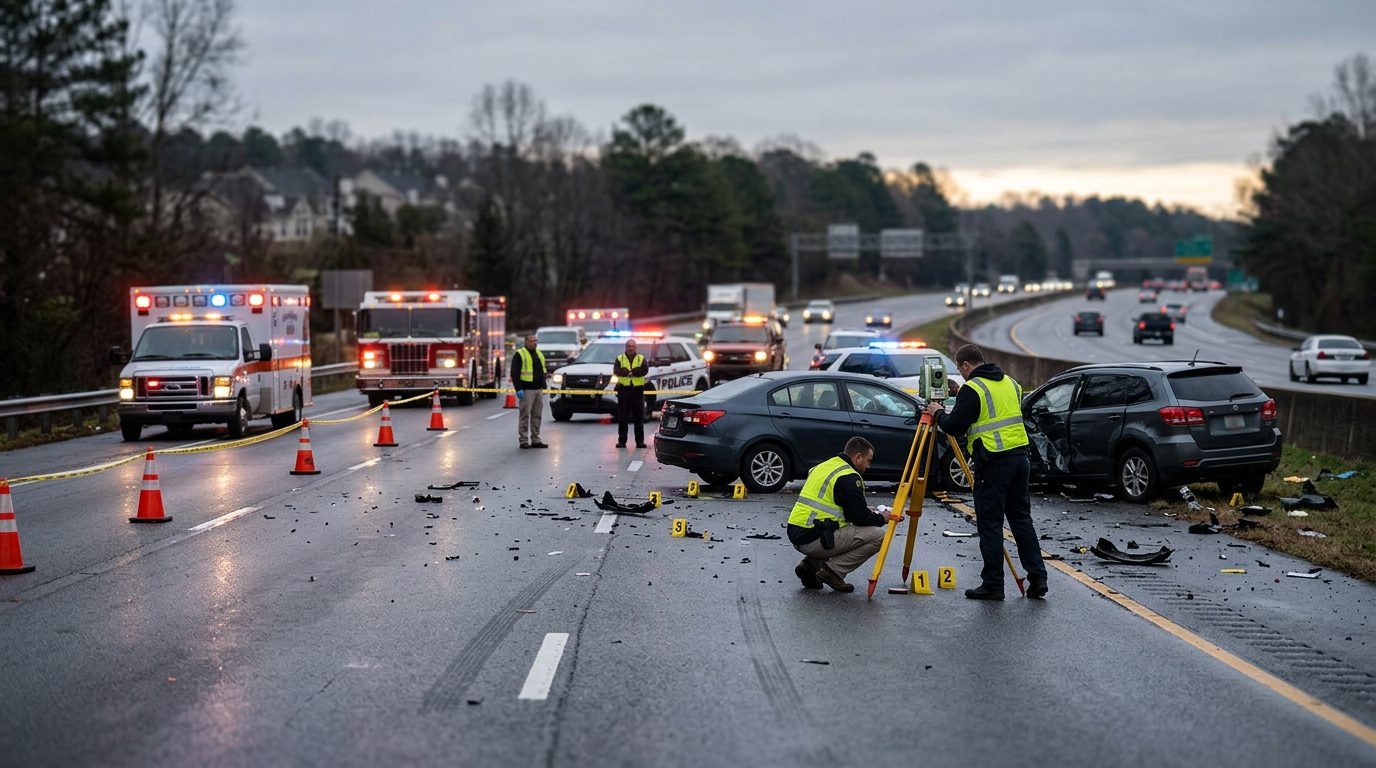
Wrongful Death Claims
Wrongful Death Claims in Marietta: What Families Should Know
When a loved one dies due to someone else's negligence, you have legal options. Slam Dunk Attorney helps families in Marietta and across Georgia understand their rights and pursue accountability.
By Peter F. Jaraysi · Published September 29, 2026
Wrongful Death Claims in Marietta: What Families Should Know
When someone dies because of another person’s or entity’s negligence, recklessness, or intentional wrongdoing, the surviving family may have the right to file a wrongful death claim. This is a civil lawsuit—separate from any criminal case—that seeks financial compensation for the family’s losses and holds the responsible party accountable.
If you’ve lost a loved one in Marietta or elsewhere in metro Atlanta, understanding what a wrongful death claim is, who can file it, what compensation may be available, and the strict timelines involved can help you make informed decisions during an incredibly difficult time.
If you've lost a loved one due to someone else's negligence or wrongful conduct—whether in a car accident, on an unsafe property, or in a care facility—families in your situation reach out regularly to understand their legal rights and options. Talk it through with our team — the first consultation is free, confidential, and carries no obligation.

What Is a Wrongful Death Claim?
A wrongful death claim is a civil lawsuit filed by eligible family members when someone dies as a result of another party’s negligence, recklessness, or intentional act.
Unlike a criminal case—where the state prosecutes someone for a crime and seeks penalties like imprisonment—a wrongful death claim is pursued by the family through the civil court system. The goal is to recover money damages that compensate the family for their financial and emotional losses.
Wrongful death claims arise from many different circumstances. In the cases our attorneys handle across metro Atlanta, common causes include:
- Motor vehicle accidents: collisions involving cars, trucks, or motorcycles caused by negligent or reckless driving
- Pedestrian accidents: a person struck and killed by a vehicle due to driver negligence or unsafe road conditions
- Premises liability: death resulting from unsafe or dangerous conditions on someone else’s property, such as inadequate security, poor maintenance, or hazardous defects
- Nursing home abuse or neglect: preventable death due to inadequate care, abuse, or neglect in a care facility
- Dog bite fatalities: fatal attacks where the owner knew or should have known the dog was dangerous
- Other negligent conduct: any situation where someone’s failure to exercise reasonable care results in death
Families file wrongful death claims to recover compensation for their losses and to ensure accountability. The process can be complex, but understanding the basics helps families navigate this difficult journey.
Who Can File a Wrongful Death Claim in Georgia?
Georgia law specifies exactly who has the legal right to bring a wrongful death action.
Under Georgia law, surviving spouses, children, and parents are the primary beneficiaries with standing to file a wrongful death claim. In some circumstances, other dependents or heirs may also have legal standing, depending on the facts of the case and their relationship to the deceased.
The claim is typically filed by the estate’s personal representative or administrator—the person appointed by the court to manage the deceased person’s estate. This representative acts on behalf of all eligible beneficiaries and ensures that any compensation recovered is distributed according to Georgia law and the deceased’s wishes.
Understanding who has standing is important because not every family member can file. If you’re unsure whether you or another family member has the legal right to bring a claim, an attorney can review your specific situation and explain your options.
What Damages Can a Wrongful Death Claim Recover?
Wrongful death damages in Georgia fall into several categories, each addressing different types of loss.
Economic damages compensate for measurable financial losses:
- Medical and funeral expenses incurred as a result of the death
- Lost wages and earning capacity the deceased would have earned during their remaining working years
- Loss of financial support the deceased provided to dependents
Non-economic damages address the emotional and relational harm to surviving family members:
- Loss of companionship and emotional suffering
- Loss of guidance, nurturing, and parental care (especially significant for surviving children)
- Loss of consortium (the intimate relationship between spouses)
In rare cases involving gross negligence or intentional wrongdoing, punitive damages may be awarded to punish the wrongdoer and deter similar conduct. Punitive damages are less common and depend on the specific facts of the case.
It’s important to understand that no claim can guarantee a specific dollar amount or settlement. Each family’s circumstances are unique—the age and earning potential of the deceased, the number of dependents, the severity of the circumstances, and other factors all affect the value of a claim. An experienced attorney can help you understand what damages may apply to your situation.
Statute of Limitations for Wrongful Death in Georgia
Under Georgia law, this deadline is firm. Missing it typically bars the claim entirely, meaning the family loses the right to pursue compensation. There are rare exceptions or circumstances that may extend the deadline, but they are narrow and require careful legal analysis.
This is why timing matters so much. Families should seek legal guidance early—ideally within months of the death—to ensure the claim is filed before the deadline passes. An attorney can advise you on whether any exceptions might apply to your specific situation and can help you meet all procedural requirements.
Steps in a Wrongful Death Claim
The wrongful death process typically unfolds in several stages.
Investigation begins with gathering evidence: medical records, accident reports, witness statements, photographs, and expert opinions (such as from accident reconstructionists or medical experts). The goal is to establish that the defendant was negligent or responsible for the death.
Identifying liable parties comes next. Depending on the cause of death, this might include a negligent driver, a property owner, a nursing home, a dog owner, or other individuals or entities whose conduct contributed to the death.
Demand and negotiation follow. Your attorney presents the claim to the at-fault party’s insurance company or legal representatives, along with evidence supporting the claim. Many cases settle during this phase if the parties can reach a fair resolution.
Settlement or litigation is the final stage. If a settlement cannot be reached, the case may proceed to trial, where a judge or jury will decide liability and damages. This process can take months or years, depending on the complexity of the case and the court’s schedule.
Families should be prepared for a timeline that extends well beyond the initial investigation. Patience and experienced legal guidance are essential.
Not sure what your next step is?
Talk it through with our team — the first consultation is free, confidential, and carries no obligation.
Common Wrongful Death Scenarios in Marietta
Marietta and the surrounding metro Atlanta area see wrongful death claims arising from many different circumstances.
Car, truck, and motorcycle accidents remain among the most common causes. A negligent or reckless driver—speeding, driving under the influence, distracted driving, or violating traffic laws—can cause a fatal collision.
Pedestrian accidents occur when a person on foot is struck by a vehicle. These often involve driver negligence, failure to yield, or unsafe road conditions.
Premises liability deaths result from dangerous conditions on someone else’s property: inadequate security leading to violent crime, poorly maintained stairs or structures, hazardous chemicals, or other preventable dangers.
Nursing home deaths may arise from neglect, abuse, medication errors, or failure to provide adequate care. Warning signs of abuse or neglect—such as unexplained injuries, poor hygiene, or sudden behavioral changes—can indicate that a death was preventable.
Fatal dog attacks occur when an owner knew or should have known the dog was dangerous and failed to control or confine it.
Each scenario involves different evidence, different legal theories, and different parties. An attorney experienced in wrongful death cases can evaluate the specific facts of your situation and explain what happened and who may be responsible.
Why You Should Consult an Attorney
Wrongful death claims are complex. They involve Georgia law, insurance procedures, multiple parties, and often significant financial stakes.
An experienced attorney brings several critical advantages:
- Evidence gathering experience: an attorney knows what evidence is crucial and how to obtain it, from accident reports and medical records to expert testimony
- Valuation knowledge: determining fair compensation requires understanding both economic losses and non-economic damages specific to your family’s circumstances
- Negotiation and advocacy: insurance companies and defendants have legal teams; your family benefits from experienced representation to protect your interests
- Deadline compliance: the two-year statute of limitations is unforgiving; early consultation ensures your rights are protected and all procedural requirements are met
- Emotional support: while an attorney cannot ease your grief, they can handle the legal burden so you can focus on your family
Reaching out for a consultation early—even if you’re still processing the loss—is a wise step. An attorney can answer your questions, explain your options, and help you understand what comes next.
Frequently Asked Questions
How long do I have to file a wrongful death claim in Georgia?
Who can file a wrongful death claim in Georgia?
What types of damages can I recover?
You may recover economic damages (medical and funeral expenses, lost wages) and non-economic damages (loss of companionship, emotional suffering); punitive damages are possible in rare cases of gross negligence or intentional wrongdoing.
Is wrongful death the same as a criminal case?
No; wrongful death is a civil lawsuit seeking financial compensation, while a criminal case is prosecuted by the state and seeks criminal penalties like imprisonment.
Can I file a wrongful death claim if my loved one died in a car accident?
Yes; motor vehicle accidents are among the most common causes of wrongful death claims, and families often have the right to pursue compensation if the driver was negligent or reckless.
Losing a loved one to someone else’s negligence or wrongful conduct is devastating. The legal process can feel overwhelming, especially while you’re grieving. If you’ve lost a family member in a car accident, truck accident, motorcycle accident, pedestrian accident, dog attack, unsafe property incident, or nursing home—and you believe someone else’s negligence or wrongdoing caused the death—our team at Slam Dunk Attorney is here to help you understand your legal rights and options. Contact us today for a free consultation to discuss what happened and what may come next.
Important: Know Your Deadline
Georgia law sets a two-year window from the date of death to file a wrongful death lawsuit. Waiting longer can result in losing your legal claim entirely. If your loved one has recently passed due to someone else's actions, time matters.
Who Can File a Wrongful Death Claim?
Surviving Spouses
A spouse has legal standing to bring a wrongful death claim and pursue damages for loss of companionship, financial support, and other harms.
Children
Adult and minor children of the deceased can file a claim, typically with a parent or guardian representing minors' interests.
Parents
If the deceased had no spouse or children, surviving parents may have standing to pursue a wrongful death claim.
Other Dependents
In some cases, other family members who relied on the deceased for financial support may have legal grounds to file.
How Slam Dunk Attorney Helps Families
Clear Explanation of Your Rights
We explain what wrongful death claims involve, who qualifies, and what damages may be pursued—in plain language, without legal jargon.
Thorough Investigation
We gather evidence, review police reports, medical records, and witness statements to build a strong foundation for your claim.
Compassionate Guidance
Losing a loved one is devastating. We listen to your family's story and guide you through each step with empathy and respect.
No Fees Unless There Is a Recovery
We work on contingency, meaning you pay no attorney fees unless we secure a settlement or judgment. You may still owe case costs.
Types of Wrongful Death Cases We Handle
Car & Truck Accidents
When a fatal crash results from reckless or negligent driving, families can pursue a wrongful death claim against the at-fault driver and potentially others.
Motorcycle Accidents
Motorcycle riders face heightened risk. If your loved one was killed in a crash caused by another's negligence, we can help you seek accountability.
Premises Liability & Slip and Fall
Deaths resulting from unsafe property conditions—poor maintenance, hazards, or negligent security—may give rise to a wrongful death claim against the property owner.
Nursing Home Abuse & Neglect
When a resident dies due to abuse, neglect, or inadequate care, families have the right to pursue damages against the facility and responsible parties.
Dog Bites
Fatal dog attacks are rare but devastating. Georgia law allows families to hold dog owners liable for deaths caused by their animals.
Pedestrian Accidents
When a pedestrian is struck and killed by a vehicle, the driver and other responsible parties can be held accountable through a wrongful death claim.
Your Family Deserves Answers and Support
Related practice areas
- Wrongful Death Claims in Alpharetta, GA | Guide for Families