

Wrongful Death | Georgia
After a Fatal Accident in Georgia: First Steps for Families
When a loved one is killed in a car, truck, motorcycle, or other accident, you face both grief and urgent legal decisions. We're here to guide you through what comes next.
By Peter F. Jaraysi · Published September 29, 2026
What to Do Immediately After a Loved One Dies in an Accident: A Georgia Family’s Guide
If someone you love has died in an accident, the days ahead will be overwhelming. You’ll face urgent practical decisions—medical, legal, and financial—while processing shock and grief. This guide walks you through the immediate steps families in Georgia typically need to take, so you know what to prioritize and where to turn for help.
Not sure what your next step is?
Talk it through with our team — the first consultation is free, confidential, and carries no obligation.

The First Hours: What Happens at the Scene and Hospital
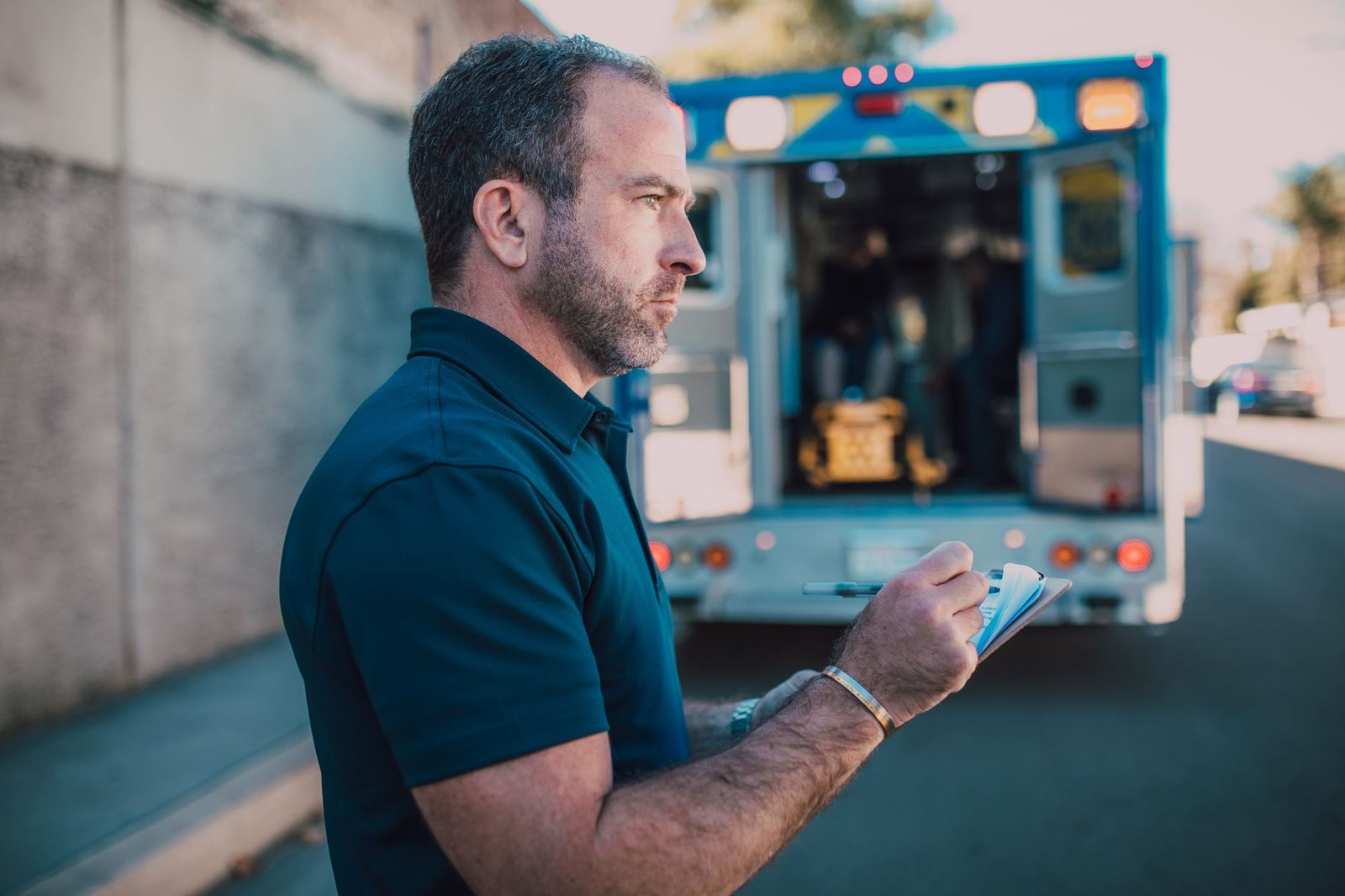
Emergency responders arrive first and gather critical information: they document the scene, interview witnesses, and collect details about the accident itself. If your loved one was taken to a hospital, medical staff will have worked to stabilize them and, if they could not be saved, will have recorded the circumstances of their arrival and death.
In accidental deaths, a medical examiner or coroner becomes involved. Their job is to determine the cause of death—whether it was the injuries from the accident, a pre-existing condition, or another factor. This process can take days or weeks. The medical examiner will issue a death certificate, which is the official record you’ll need for every legal and financial step that follows.
In the immediate aftermath, focus on:
- Notifying close family members and key contacts so word comes from you, not from others.
- Asking the hospital or medical examiner’s office for the death certificate and requesting multiple certified copies (you’ll need at least 5–10 for insurance, banks, and government agencies).
- Understanding the difference between an accident investigation and a criminal investigation. Police will investigate the accident to determine what happened. If there’s any possibility of criminal conduct (reckless driving, DUI, etc.), a separate criminal investigation may occur. These run in parallel; one does not stop the other.
Securing Important Documents and Information
Within days of the death, you’ll need to gather documents and information. Start with the police report: contact the law enforcement agency that responded to the accident and request a copy. This report contains witness statements, scene details, and preliminary findings about how the accident occurred.
Next, collect the deceased’s vital documents:
- Birth certificate
- Social Security card
- Insurance policies (auto, homeowner’s, life insurance)
- Employer information and benefits documents
- Bank and financial institution account numbers
- Mortgage or loan documents
- Deed or rental agreement for their home
If you have photographs or video from the accident scene (taken by you or others), preserve them safely. Do not disturb an active police investigation, but document what you have. This evidence can be important later.
Why this matters: Insurance companies will investigate the accident on their own. Having the police report and scene details early helps you understand what happened and protects your family’s interests.
Notifying Insurance Companies and Employers
Contact the deceased’s auto insurance company, homeowner’s insurance, and any business insurance they carried. Report the death and the accident. Be honest but brief; you are not required to give a recorded statement or detailed account without legal counsel present.
Ask specifically about:
- Life insurance policies the deceased held (through their employer, a bank, or privately purchased).
- Accidental death benefits that may be included in those policies.
- Group coverage through their employer (many employers offer life insurance as a benefit).
- Employer final paycheck and any accrued vacation or benefits owed.
Insurance companies have a legal duty to investigate, and they will. You have the right to have an attorney represent your family during this process. Many families find it helpful to consult a lawyer before speaking with adjusters, so they understand their rights and don’t inadvertently say something that could complicate a future claim.
Understanding Your Legal Rights and Options
A wrongful death claim is a civil lawsuit brought on behalf of the deceased’s surviving family members. In Georgia, the people who may have standing to file a wrongful death claim include the surviving spouse, children, parents, and sometimes other dependents, depending on the family structure and circumstances.
The statute of limitations matters: Under Georgia law, a wrongful death claim must generally be filed within two years from the date of death. This deadline is firm. Missing it means losing the right to sue, so early legal guidance is important.
Civil claims are separate from criminal investigations. If someone’s reckless or illegal conduct caused the accident, criminal charges may be filed. But a criminal case doesn’t prevent you from pursuing a civil wrongful death claim. The two proceed independently.
Liability is determined by evidence. Georgia follows a comparative fault system, meaning if the deceased shared some responsibility for the accident, liability may be apportioned. For example, if a car accident involved both a speeding driver and a pedestrian who stepped into traffic, fault might be split. An attorney can help you understand how this applies to your loved one’s accident.
Why early legal guidance helps:
- An attorney can investigate the accident, interview witnesses, and preserve evidence before memories fade.
- They can communicate with insurance companies on your behalf, protecting your family’s interests.
- They can explain your family’s potential claims and who may be liable.
- They can help you understand the value of your case and what damages might be recoverable.
Handling Funeral and Estate Matters
Arrange funeral services and understand the costs. Funeral homes can often help you apply for government benefits or insurance proceeds to cover expenses.
Estate administration in Georgia may be necessary. If the deceased left a will, it will go through probate—a court process to validate the will and distribute assets according to its terms. If there was no will, Georgia law determines how assets are distributed among surviving family members. You’ll need to name an executor or administrator to manage this process.
A wrongful death recovery is part of the estate. If your family pursues and wins a wrongful death claim, the settlement or judgment becomes part of the deceased’s estate and is typically distributed according to the will or Georgia’s intestacy laws. An attorney can explain how this works in your specific situation.
Not sure what your next step is?
Talk it through with our team — the first consultation is free, confidential, and carries no obligation.
When to Seek Legal Guidance
Many families consult a wrongful death attorney not because they’ve decided to sue, but because they want to understand their options. There’s no pressure and no obligation. An early conversation can:
- Clarify who may be liable and whether a claim is worth pursuing.
- Ensure evidence is preserved before it’s lost or destroyed.
- Protect your family’s legal interests while you focus on grief and immediate needs.
- Answer questions about insurance, probate, and your rights.
Families often reach out simply to talk through what happened and what comes next. That’s a normal and wise step.
Frequently Asked Questions
What is the deadline for filing a wrongful death claim in Georgia?
Georgia law generally allows two years from the date of death to file a wrongful death claim; missing this deadline means losing the right to sue.
Who can bring a wrongful death claim in Georgia?
Should I talk to an insurance adjuster before consulting an attorney?
You’re not required to give a recorded statement or detailed account without legal counsel present; many families benefit from speaking with an attorney first.
What’s the difference between a civil wrongful death claim and a criminal investigation?
A criminal investigation determines whether someone broke the law; a civil claim seeks compensation for the family’s losses. Both can happen at the same time.
How do I preserve evidence after a fatal accident?
Document photographs, collect witness contact information, and request the police report. Don’t disturb an active investigation, but keep records of what you have.
If your loved one died in an accident in Georgia, you’re facing decisions that feel impossible right now. Whether the accident was a car crash, truck collision, motorcycle crash, pedestrian strike, or another tragedy, understanding your family’s legal options is an important part of moving forward. Many families in your exact situation have found it reassuring to speak with someone who understands both the legal landscape and the weight of what you’re carrying. We’re here to answer your questions and help you understand what may be possible for your family.
Time Matters
Georgia law sets a deadline for filing a wrongful death claim. The sooner you speak with an attorney, the sooner we can protect your family's rights and begin gathering evidence while it's fresh.
What to Do Now
Preserve Evidence
Photographs, witness names, police reports, and medical records are critical. If the accident involved a vehicle, truck, or motorcycle, secure any available dashcam or traffic camera footage.
Document Everything
Keep records of all expenses, communications, and medical information related to the incident. This documentation will be important as your claim moves forward.
Avoid Recorded Statements
Do not give a recorded statement to an insurance company without speaking to an attorney first. Anything you say can affect your claim.
Consult an Attorney Early
A wrongful death attorney can explain your family's rights, the claims process, and what to expect—so you can focus on your family during this difficult time.
Why Families Choose Slam Dunk Attorney
Compassionate Guidance
We understand the weight of losing a family member. We communicate with empathy and respect for what you're going through.
Clear Explanations
We explain Georgia's wrongful death laws and your options in plain language, so you understand every step.
Focused on Your Family
We focus exclusively on personal injury and wrongful death cases across metro Atlanta and Georgia. Your case gets our full attention.
No Upfront Fees
We work on a contingency basis: no fees unless there is a recovery. You may still owe certain case costs; we'll explain this clearly upfront.
Wrongful Death Claims: Common Questions
Who can file a wrongful death claim?
In Georgia, surviving spouses, children, parents, and sometimes other dependents may have the right to bring a claim. An attorney can review your family's situation and explain who may have standing.
What types of accidents qualify?
Wrongful death claims can arise from car accidents, truck accidents, motorcycle accidents, pedestrian accidents, dog bites, unsafe property conditions, negligent security, nursing home abuse, and other incidents caused by someone's negligence.
What damages might be recoverable?
Wrongful death claims may include compensation for medical and funeral expenses, lost income and benefits, loss of companionship, and other losses. An attorney will evaluate your specific circumstances.
How long does this process take?
Every case is different. Some resolve through negotiation; others require litigation. We'll keep you informed and work toward a resolution that serves your family's best interests.
Let Us Help Your Family
Related practice areas
- Evidence for Wrongful Death Claims in Georgia | Guide