
Premises Liability
Real Scenarios Where Property Owners Are Held Responsible
Understand how premises liability works when unsafe conditions cause injury—and what it takes to hold a property owner accountable.
By Peter F. Jaraysi · Published October 01, 2026
Premises Liability Examples in Georgia: When Property Owners Are Responsible
Premises liability holds property owners legally responsible for injuries caused by unsafe conditions. The core principle is simple: owners must keep their property reasonably safe for visitors.
If an owner knew—or should have known—about a hazard and did nothing, they may be liable for resulting injuries. Below are real-world premises liability examples that occur across metro Atlanta and Georgia.
If you've been injured on someone else's property in Georgia and aren't sure whether the owner bears responsibility, talking through your situation with our team can help clarify what happened and what may come next. Talk it through with our team — the first consultation is free, confidential, and carries no obligation.
What Premises Liability Means
Premises liability focuses on the property owner’s duty of care. When you’re invited onto someone else’s property—a store, apartment, restaurant, or home—the owner owes you basic protection.
That duty includes: – Inspecting the property for hazards – Warning visitors about known dangers – Fixing or removing unsafe conditions promptly
When an owner fails and someone gets hurt, a premises liability claim may arise. It’s about negligence—failing to act reasonably—not bad luck.
Common Premises Liability Examples
Slip and fall accidents are the most common premises liability examples. A customer slips on a wet grocery store floor with no warning sign. A tenant falls on a staircase with a loose handrail. Someone trips on uneven parking lot flooring.
In each case, the owner failed to fix the hazard, warn about it, or keep the area safe.
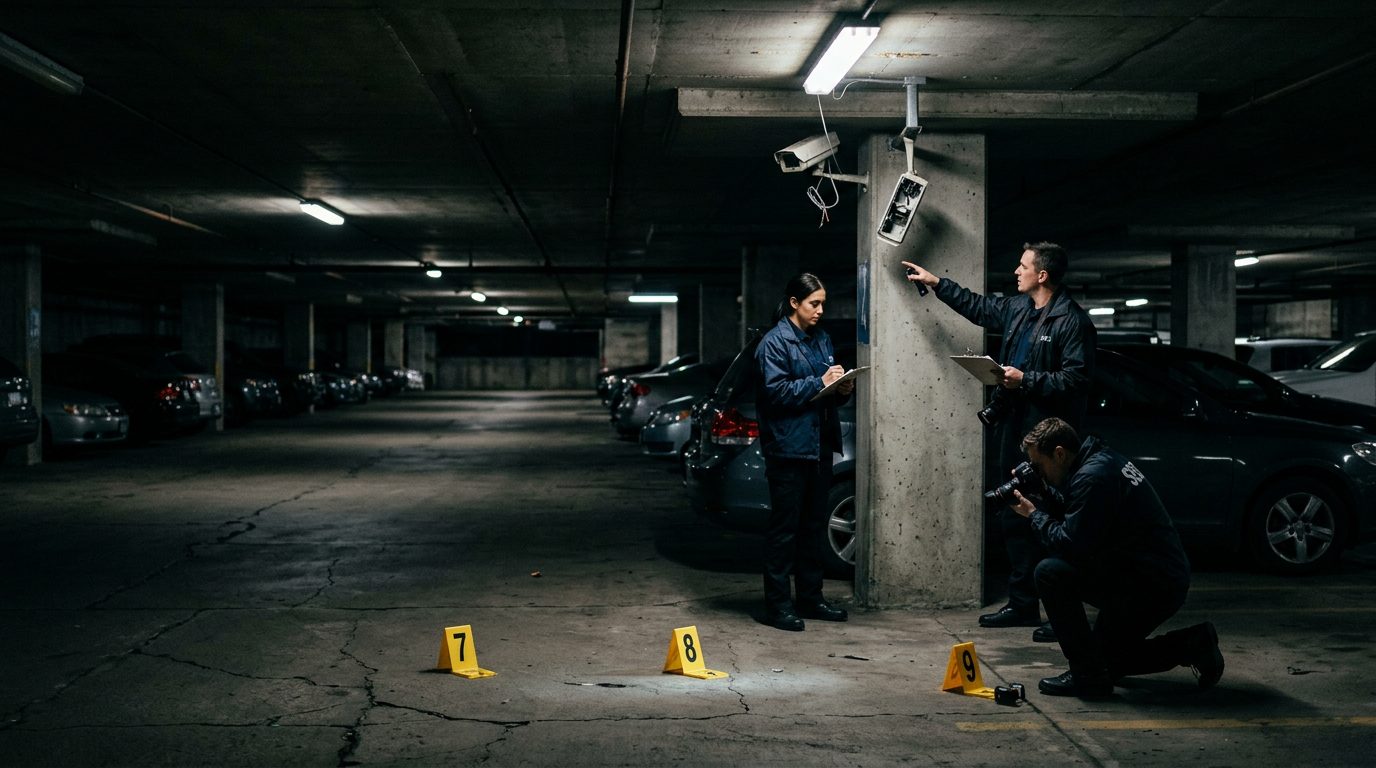
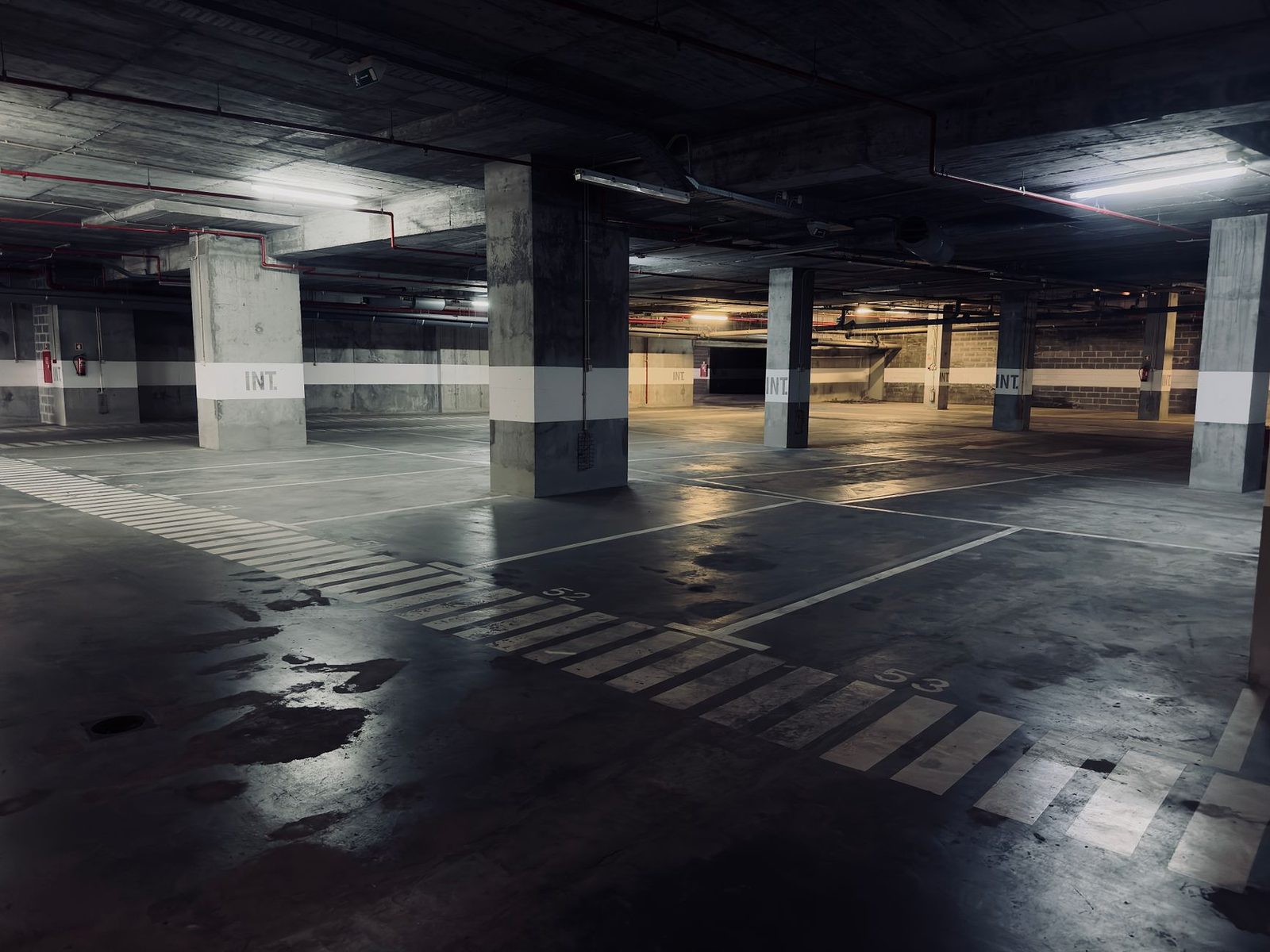
Poor lighting creates another frequent hazard. Dimly lit parking lots, stairwells, or hallways hide dangers. When someone is injured in poor lighting, the owner’s failure to maintain adequate illumination may form the basis of a claim.
Falling objects also qualify. Heavy items fall from unsecured overhead shelves. Debris falls from building facades. The owner’s negligence in maintaining or inspecting the property caused the injury.
Broken safety features represent serious hazards: loose handrails, missing guardrails, rotting deck boards, exposed wiring. Owners must inspect and repair these before someone gets hurt.
Dog Bite Injuries as Premises Liability
Dog bite injuries can constitute a premises liability claim when the property owner failed to restrain or warn about a known aggressive dog.
Common scenarios include:
An owner knows their dog has bitten before but leaves the gate unlatched. A visitor or passerby is bitten. The owner’s negligence—failure to secure the dog or warn about its history—created the hazard.
Alternatively, a dog escapes from a poorly maintained yard because the fence is broken or gate won’t close. The dog injures someone in a public space or on another person’s property. The original owner’s failure to maintain the enclosure is negligence.
Under Georgia law, property owners have a responsibility to prevent foreseeable harm from their animals. If an owner ignores leash laws, fails to repair known escape routes, or ignores complaints about the dog, they may be held liable.
Learn more about dog bite liability claims.
Negligent Security and Unsafe Conditions
Negligent security claims arise when a property owner fails to provide reasonable security, enabling injury or crime. Common examples include:
- Inadequate lighting in parking garages, stairwells, or common areas
- Broken locks or missing cameras where tenants or visitors are robbed or assaulted
- Failure to repair known dangerous conditions like rotting decks, broken railings, or exposed wiring
- Missing lifeguards or safety barriers around pools or water features
- Security gaps where owners know crime is common but fail to hire security or install alarms
The key: the owner knew (or should have known) about the security gap and failed to address it. That failure directly led to injury.
Explore negligent security claims for more information.
Premises Liability in Nursing Homes
Nursing homes and assisted living facilities owe residents heightened duty of care. Premises liability in these settings often involves:
- Falls due to inadequate supervision or missing safety equipment like grab bars
- Injuries from unsecured furniture that tips over or hazardous flooring
- Neglect of environmental maintenance creating danger—spilled liquids, broken steps, cluttered hallways
- Failure to provide proper lighting, mobility aids, or assistance residents need to move safely
Facilities must maintain safe environments and provide appropriate supervision. When they fail, residents—often elderly, frail, or cognitively impaired—face serious injury risk.
Learn more about nursing home negligence claims.
Not sure what your next step is?
Talk it through with our team — the first consultation is free, confidential, and carries no obligation.
What Falls Under Premises Liability
Premises liability covers injuries on someone else’s property (home, business, rental, public venue, or care facility) when the property’s condition or owner’s failure to maintain it safely caused harm. It applies to:
- Invited guests and customers
- Tenants and residents
- Sometimes trespassers, depending on circumstances and state law
The injury must stem from a condition the owner knew about or should have discovered through reasonable inspection. An accident on the property isn’t enough—the owner’s negligence must have caused it.
When a Property Owner May Be Held Responsible
A property owner may face liability if:
- The owner knew about the hazard and did nothing to fix or warn about it
- The owner should have discovered the hazard through reasonable property inspection
- The owner failed to warn visitors about a known danger they couldn’t avoid
- The owner failed to repair or remove the hazard within reasonable time
- The injured person was lawfully on the property—invited, a customer, tenant, or had permission
Georgia negligence law requires that property owners act reasonably. What’s “reasonable” depends on the property type, hazard nature, and how foreseeable the injury was.
Premises Liability and Wrongful Death
When a premises liability injury results in death, the claim becomes a wrongful death case. Family members may pursue compensation for medical expenses before death, lost income the deceased would have earned, and other damages.
Examples include fatal falls from unsafe balconies due to missing guardrails, or death from injuries in negligently secured properties where assault occurred.
Learn more about wrongful death claims.
Documenting Your Situation
If you’ve been injured on someone else’s property, take these steps:
- Document the hazard with photos or video if safe
- Report the injury to the property owner or manager in writing
- Seek medical attention and retain all medical records and bills
- Gather witness contact information from anyone who saw what happened
- Avoid signing any settlement or release without legal guidance
FAQ
What’s the difference between premises liability and general negligence?
Premises liability is a specific negligence type focused on unsafe property conditions. General negligence applies to any situation where someone fails to act reasonably and causes harm.
Can you sue a property owner for a slip and fall?
Yes, if the owner knew about the hazard or should have discovered it, and failed to fix it or warn you. Learn more about slip and fall injury claims.
Are property owners liable for dog bites on their property?
Yes, if the owner knew the dog was aggressive and failed to restrain, warn about, or properly contain it.
What is negligent security?
Negligent security occurs when a property owner fails to provide reasonable security measures—adequate lighting, locks, cameras, or personnel—and that failure enables injury or crime.
How long do I have to file a premises liability claim in Georgia?
Georgia law provides a two-year deadline from the injury date to file a personal injury lawsuit. Waiting too long can bar your claim.
If you've been injured on someone else's property in Georgia and aren't sure whether the owner bears responsibility, talking through your situation with our team can help clarify what happened and what may come next. Talk it through with our team — the first consultation is free, confidential, and carries no obligation.
Get Help With Your Premises Liability Claim
If you’ve been injured on someone else’s property in Georgia—whether from a slip and fall, dog bite, poor security, or unsafe condition—we can help you understand whether the owner bears responsibility.
Many people in your situation contact us to discuss what happened and explore their options. We listen without pressure or obligation.
Contact our Georgia premises liability attorneys for a free case review today.
Common Premises Liability Scenarios
Slip and Fall on a Wet Floor
A customer slips on spilled liquid in a grocery store aisle. The store had no warning sign and hadn't cleaned the area for hours. If the store knew or should have known about the hazard, the owner may be liable for injuries.
Negligent Security Leading to Assault
A tenant is attacked in a poorly lit apartment complex parking lot with broken security cameras and no guards. If the property owner failed to maintain reasonable security measures, they may be responsible for the harm.
Dog Bite on a Neighbor's Property
A homeowner's dog injures a visitor in the yard. Property owners have a duty to warn guests of known dangers—including aggressive animals—or to prevent foreseeable harm.
Unsafe Stairs or Railings
A guest falls down a staircase with a broken railing in a rental property. Landlords and property owners must maintain structural elements in safe condition for anyone lawfully on the premises.
What Makes a Property Owner Liable
Knowledge of the Hazard
The owner knew about the unsafe condition, or a reasonable property owner would have discovered it through regular inspection and maintenance.
Failure to Act
The owner did not repair the hazard, warn visitors, or take reasonable steps to prevent foreseeable injury.
Lawful Presence
You were invited onto the property or had a right to be there—customers, tenants, guests, and even some trespassers may have claims depending on the circumstances.
Direct Causation
The unsafe condition directly caused your injury. The connection between the hazard and your harm must be clear.
Time Matters
Premises liability claims are subject to strict time limits under Georgia law. Waiting too long to report your injury or file a claim can result in losing your right to pursue compensation. The sooner you act, the better the evidence will be preserved.
Premises Liability vs. Other Injury Claims
Premises Liability
Focuses on unsafe property conditions—wet floors, broken railings, poor lighting, inadequate security, or known hazards that cause injury to visitors or occupants.
General Negligence
A broader category covering any situation where someone fails to act reasonably and causes harm. Premises liability is a specific type of negligence tied to property conditions.
Dog Bite Claims
A distinct claim where a property owner may be liable if their dog injures someone, or if the owner failed to warn of a known aggressive animal on the premises.
Negligent Security
A premises liability claim focused specifically on the owner's failure to provide adequate security measures, leading to assault, theft, or other criminal acts on the property.
Why Premises Liability Cases Matter
Injuries Can Be Severe
Slip and falls, dog bites, and unsafe conditions can cause broken bones, head trauma, infections, and long-term disability. Medical bills and lost wages add up quickly.
Property Owners Have a Duty
Georgia law holds property owners responsible for maintaining safe conditions and warning of known hazards. Holding them accountable protects future visitors too.
Evidence Fades Fast
Photos of the hazard, witness statements, and incident reports must be gathered immediately. Delays make it harder to prove what caused your injury.
Insurance Often Covers Claims
Property owners typically carry liability insurance. An early investigation and clear documentation strengthen your position in settlement discussions.
Injured on Someone Else's Property?
Related practice areas
- Dog Bites Owner: What to Do & Legal Options in Georgia