

Grocery Store Slip and Fall | Georgia
Hurt in a Grocery Store Fall? Talk With a Georgia Slip and Fall Lawyer
Slam Dunk Attorney represents people injured in falls on grocery store floors across metro Atlanta and Georgia. Your first consultation is free, confidential, and comes with no obligation to continue.
By Peter F. Jaraysi · Published October 23, 2026
If you were hurt in a fall at a convenience store or gas station in Georgia, you may have a premises liability claim. A grocery store slip and fall lawyer looks at whether the business failed to keep its floors, entrances, and parking areas reasonably safe. This guide explains how these claims work and what to do next.
What a Convenience Store or Gas Station Slip and Fall Claim Is
A slip and fall claim is a premises liability claim. It arises when a customer is hurt by a dangerous condition on a business’s property. Under Georgia’s premises liability statute, an owner or occupier who invites people onto its premises for a lawful purpose must use ordinary care to keep those premises and approaches safe.
A customer who comes in to shop or buy fuel is usually there by the business’s invitation. The claim generally runs against the business or property owner, not against the person who fell.
Common settings include:
- Store aisles, entrances, and restrooms
- Cooler and beverage aisles
- Fuel pump islands, air stations, and water stations
- Parking lots and walkways
If a fall at a gas station or grocery store left you hurt and facing medical bills, our team can review what happened in a free, confidential consultation with no obligation to continue. Talk it through with our team — the first consultation is free, confidential, and carries no obligation.
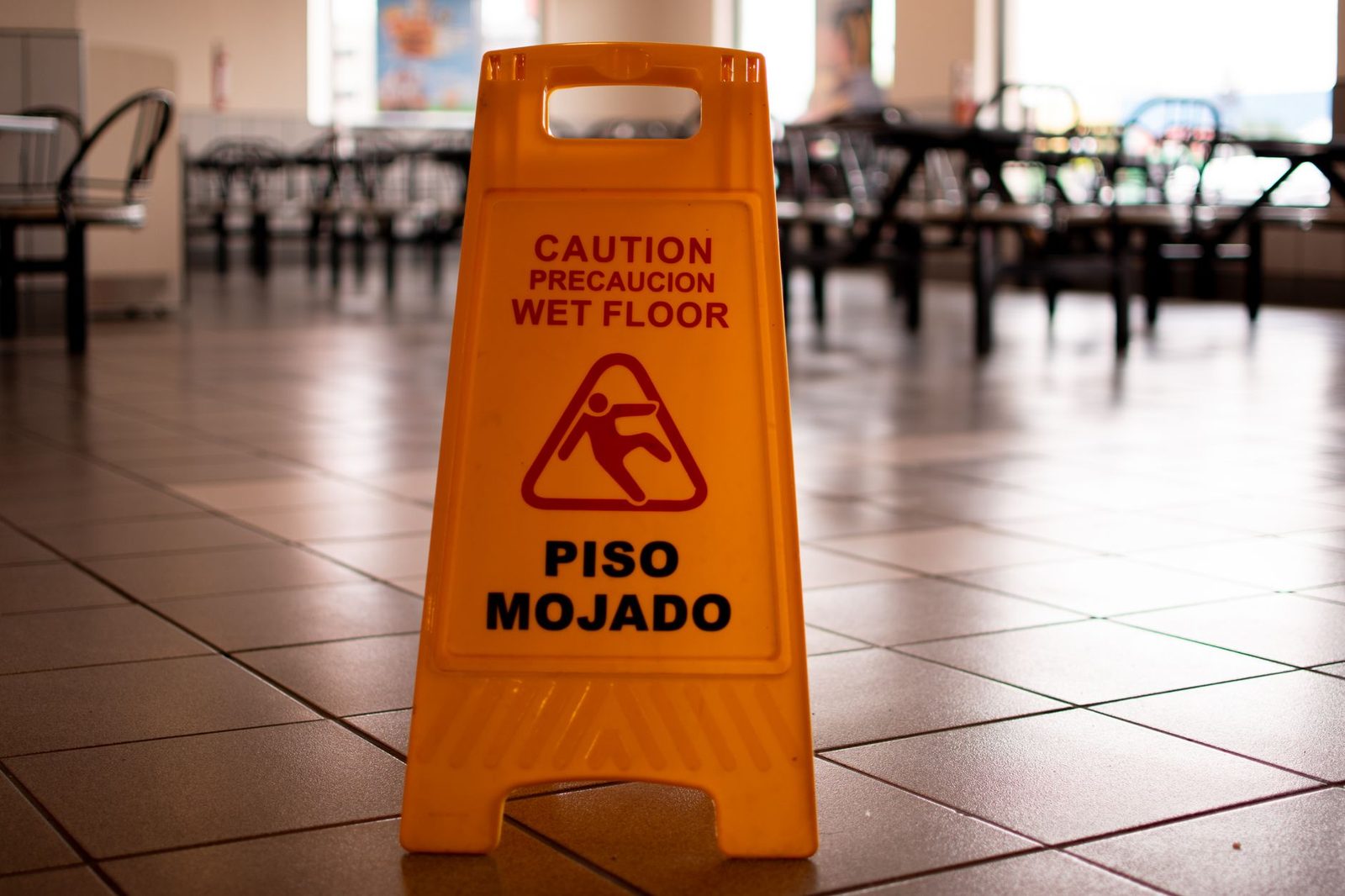
Common Causes of Falls at Convenience Stores and Gas Stations
Most of these falls come from a hazard that sat on the floor or walkway longer than it should have. Typical causes include:
- Spilled drinks or leaks near coolers and fountain drink stations that were not cleaned or marked
- Wet or slick concrete around fuel islands and entrance mats
- Ice, standing water, or debris in parking lots and walkways, especially in winter
- Torn mats, cracked curbs, and uneven thresholds
- Boxes, pallets, or stock left in aisles
- Poor lighting in parking areas that hides these hazards
Georgia’s workplace guidance on slip-and-fall prevention names many of the same risks, including spills, obstructions, and walkway upkeep. Georgia slip-and-fall prevention guidance These are the hazards a fall claim usually examines.
How Georgia Law Looks at Liability for a Store or Property Owner
Georgia holds an owner or occupier responsible when it fails to use ordinary care to keep its premises safe for invited people. Every premises liability case turns on its own facts, and a lawyer can review how the incident happened.
In practice, the facts that matter most often include:
- What cleaning and inspection routines the business followed
- How many employees were working the floor or fuel area at the time
Georgia also looks at the injured person’s own conduct. Under Georgia’s fault reduction statute, a judge reduces damages by the injured person’s percentage of fault. If that share is 50 percent or more, the person cannot recover damages. Every fall is different, so these questions are reviewed in each consultation.
Evidence That Matters and Why It Should Be Preserved Quickly
Good evidence shows what the hazard was, where it was, and how the fall happened. Gather and preserve these items as early as you safely can:
- Photos of the hazard, the surrounding area, the lighting, and any warning signs or missing signs
- Names and contact details for witnesses, including employees and other customers
- Any incident report the store completed, and the names of staff who responded
- Store surveillance video, which can be erased or overwritten, so early requests matter
- Medical records and bills that show the treatment timeline
- The shoes and clothing you wore, and receipts from the visit
What the Claim Can Cover and How Injuries Are Documented
Georgia separates damages into two groups. General damages are those the law presumes flow from a wrongful act, and they can be recovered without proof of any amount. Special damages actually flow from the act, so they must be proved. Georgia damages definitions
Medical expenses are special damages. Under Georgia’s medical expense statute, they are limited to the reasonable value of medically necessary care, treatment, or services.
Falls often cause fractures of the wrist, hip, or ankle, head injuries, back injuries, and soft tissue injuries. Follow your doctor’s advice and keep every appointment. Gaps in treatment can be used by the other side to question how serious the injury was.
No general article can estimate what a specific claim may bring. Each injury, record, and set of facts is different.
How the Process Works: From Free Consultation to Resolution
A premises claim usually moves through four stages. The timeline varies with your injuries, your treatment, and whether the claim settles or goes to court.
- Free initial consultation. You share the basic facts of the fall. The firm explains your options. The consultation is confidential and carries no obligation to continue.
- Investigation. The firm requests video, incident records, and witness information, and reviews your medical records.
- Demand and negotiation. The firm presents a claim to the property owner or its insurer and works toward a resolution.
- Filing suit if needed. If the claim does not settle, a lawsuit may be filed. Georgia generally allows two years to bring a personal injury action under Georgia’s limitation statute.
You may still be responsible for court costs and case expenses. These obligations are explained before any agreement is signed.
Not sure what your next step is?
Talk it through with our team — the first consultation is free, confidential, and carries no obligation.
Why Injured Customers Contact Slam Dunk Attorney
Slam Dunk Attorney is based in Duluth, Georgia. The firm represents injured people across metro Atlanta and Georgia, including slip and fall and premises liability claims.
The firm’s lawyers are Peter F. Jaraysi and Brian D. Wright. An office team supports them with scheduling and communication, so you know what happens next.
The firm represents people in Lawrenceville, Johns Creek, Alpharetta, Marietta, Norcross, Kennesaw, and Dunwoody, as well as across Atlanta. A grocery store slip and fall lawyer at the firm can review your fall in a free, confidential consultation. For background, read the Georgia grocery store guide.
Frequently Asked Questions About Convenience Store and Gas Station Falls
Can you sue a convenience store or gas station after a slip and fall?
Georgia law allows an invited customer to bring a premises claim when the business fails to use ordinary care. Whether a claim exists depends on the facts of your fall.
How long do I have to file?
Georgia generally allows two years for personal injury claims. Early contact helps preserve video and witness information.
How much compensation can a fall bring?
No fixed figure applies. Damages depend on your injuries, your medical records, and the proof available.
What if I was partly at fault?
Georgia reduces damages by your share of fault. You cannot recover damages if you are 50 percent or more responsible (O.C.G.A. § 51-12-33; Quynn v. Hulsey (2020)).
Should I ask for an incident report?
Ask whether the store completed an incident report. Keep a copy if you receive one.
Talk to a Lawyer About Your Fall Today
A fall at a gas station, convenience store, or grocery store can bring ER bills, missed work, and hard questions about who is responsible. If that is your situation, contact Slam Dunk Attorney for a free, confidential consultation with no obligation to continue.
This page gives general information, not legal advice. Responsible lawyer: Peter F. Jaraysi, Slam Dunk Attorney, Duluth, Georgia. Contact details are available at the link above.
How We Can Help After a Grocery Store Fall
Listening First
We start by hearing what happened, where it happened, and how your injuries have affected your daily life.
Reviewing the Facts
We look at the details of your fall, including incident reports, store conditions, and any photos or witness information you have.
Protecting Your Claim
We help you understand the steps that matter early on, such as preserving evidence and keeping records of your treatment.
Keeping You Informed
We explain your options in plain language so you can make decisions with confidence at every stage.
Important: Get Medical Care and Report the Fall
If you fall in a grocery store, ask management to complete an incident report before you leave, and get medical attention even if you feel fine. Some injuries show symptoms hours or days later.
Common Grocery Store Fall Hazards
Wet or Slippery Floors
Spilled liquids, freshly mopped areas, or produce misting that is not cleaned up or marked with a warning sign.
Spilled Food and Debris
Fallen fruit, broken jars, or packaging left on aisles, near checkout lanes, or in the produce section.
Damaged or Uneven Surfaces
Cracked tile, torn mats, raised thresholds, or loose flooring near entrances, carts, and parking areas.
Blocked or Cluttered Aisles
Displays, stocking carts, or merchandise that narrow walkways or create tripping hazards for shoppers.
Talk With Our Team About Your Grocery Store Fall
Related practice areas
- Slip and Fall Accident Lawyer in Georgia | Slam Dunk Attorney
- Slip And Fall in Lawrenceville
- How Much Is a Grocery Store Slip and Fall Worth in Georgia?