

Catastrophic Injury Lawyer in Duluth, Georgia
Serious Injuries Change Your Life. You Don't Have to Sort Out Your Options Alone.
Our firm has represented people hurt in car, truck, motorcycle, rideshare and other accidents across metro Atlanta and Georgia. Here is what to know about five serious injury types and how a free consultation can help you decide what comes next.
By Peter F. Jaraysi · Published October 30, 2026
After an accident, many people ask: what are the top 5 worst injuries? The honest answer is that no list fits every case. This guide covers five serious injury types that can follow a car, truck, motorcycle, pedestrian, rideshare, dog bite, or property accident in Georgia. They are spinal cord injury and paralysis, traumatic brain injury, amputation, severe burns, and wrongful death.
Read this as general information. It explains what each type can mean for daily life, work, and family. It is not a ranking, and it does not predict how any one person’s injury will turn out.
What Makes an Injury Catastrophic?
A catastrophic injury is severe, often permanent, and changes how a person lives, works, and cares for themselves or their family. The word describes the long-term effect, not just the first emergency.
Three factors help show how serious an injury is. The first is permanence: will the change last for good? The second is length of treatment, including surgery, hospital stays, rehabilitation, and follow-up care. The third is loss of function, such as the ability to walk, use a hand, think clearly, or hold a job.
These five types are general categories. Two people with the same type of injury can have very different recoveries. The medical details and the person’s health before the accident both matter.
If a loved one is facing a serious injury, you don't have to work out the next steps alone. Our team offers a free, confidential first consultation with no obligation to continue. Talk it through with our team — the first consultation is free, confidential, and carries no obligation.
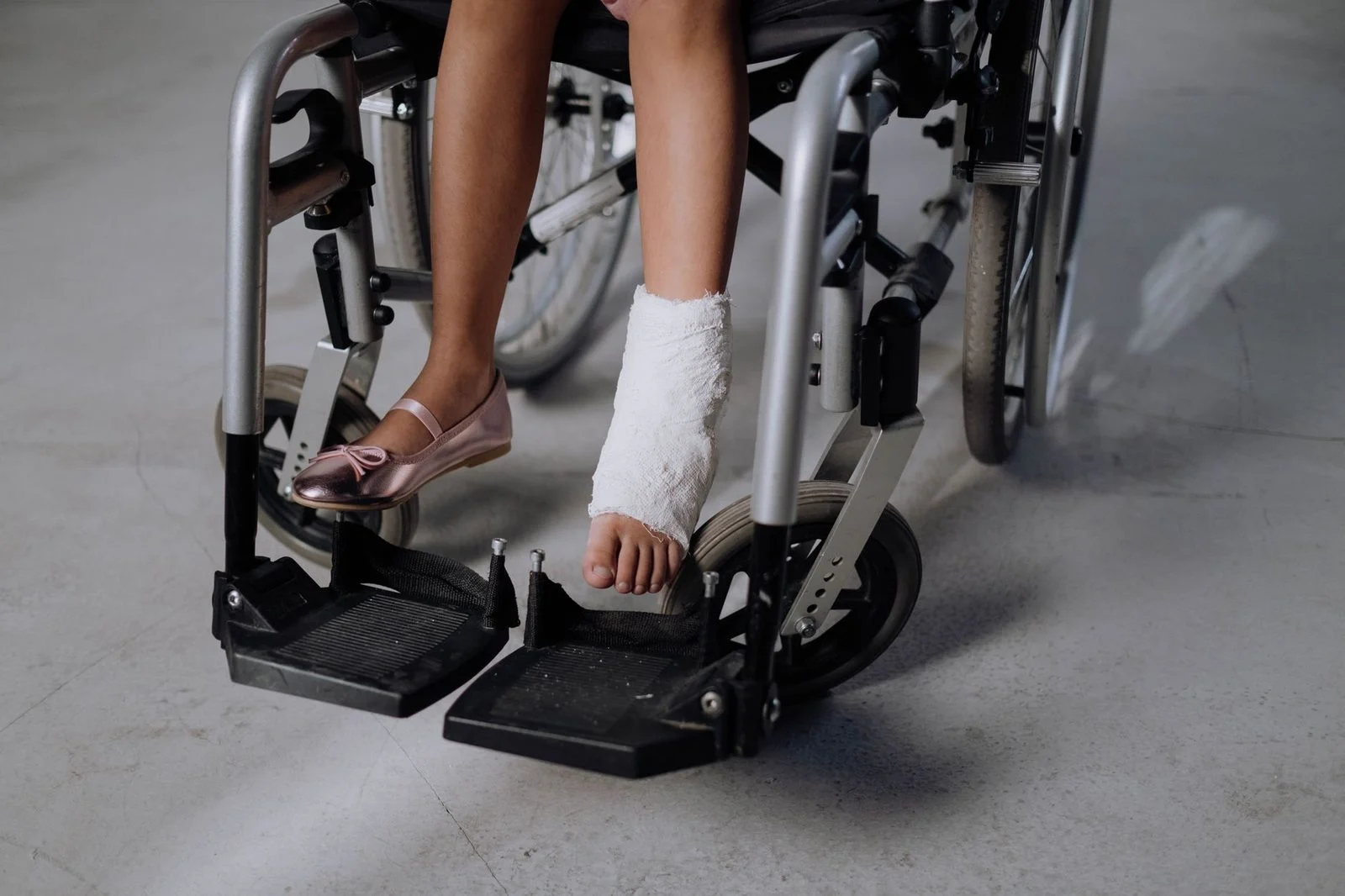
Spinal Cord Injury and Paralysis
A spinal cord injury can cause paralysis, which means lost movement or feeling below the point of injury. The spinal cord carries signals between the brain and the rest of the body. When it is damaged, those signals can be interrupted.
Paralysis can be partial or complete. The level of the injury matters. Higher injuries in the neck often affect more of the body than injuries lower in the back.
Many people need long-term help after this kind of injury. Common needs include rehabilitation, adaptive equipment such as wheelchairs, and changes to the home, like ramps or bathroom modifications. These costs and needs can continue for years.
Falls are a common cause of spinal injuries. Our slip and fall practice covers injuries from falls on unsafe property.
Traumatic Brain Injury
A traumatic brain injury happens when a blow, jolt, or penetrating force damages the brain. It can occur in a car crash, a pedestrian strike, a fall, or a dog attack that causes a head injury.
Symptoms do not always appear right away. Some people notice problems hours or days later. Headaches, confusion, dizziness, and sleep changes can all be signs.
A brain injury can affect memory, concentration, mood, balance, and personality. These effects can last well beyond the first recovery period. Family members often notice changes before the injured person does.
Any head strike deserves a medical evaluation, even if the person feels fine at first. Early records help show what happened and when symptoms started.
Amputation
Amputation is the removal of all or part of a limb. It is a permanent change. It often follows a crush injury, severe trauma, or damage that cannot be repaired.
Recovery is usually long. It can include surgery, wound healing, prosthetic fitting, and physical therapy. A prosthetic limb may need adjustments over time as the body changes.
An amputation can affect work, mobility, and independence. Some people need a different job or help at home. Plan for these long-term needs when you think about the full effect of the injury.
Severe Burns
Severe burns damage deep layers of skin and tissue. They can cause lasting scars and tight skin that limits movement. Burns can come from vehicle fires, scalding liquids, or hazardous conditions on a property.
Severe burns often need repeated surgeries and skin grafts. Scar tissue can cause contractures, which are tight areas that restrict how a joint moves. Infection is a real risk, so hospital stays can be long.
Recovery can take many months or longer. A burn injury may also involve emotional effects, such as pain and trouble returning to normal activities. Burns caused by someone else’s wrongful act may be part of a claim.
Wrongful Death When Injuries Are Fatal
Wrongful death is a claim brought after a person dies because of another party’s wrongful act or negligence. Georgia law sets out who may bring the claim. A surviving spouse may recover the full value of the life of the decedent, as shown by the evidence. If there is no surviving spouse, a child or children may recover (O.C.G.A. § 51-4-2).
Georgia defines that full value without deducting the decedent’s necessary or personal expenses had they lived (O.C.G.A. § 51-4-1). When no one is entitled to bring the action, the administrator or executor may bring it for the next of kin (O.C.G.A. § 51-4-5).
Families often face loss of support, loss of companionship, and funeral costs. Georgia law allows the personal representative to recover funeral, medical, and other necessary expenses when death results from a crime or from criminal or other negligence (O.C.G.A. § 51-4-5).
Time limits apply, so families should act promptly.
Not sure what your next step is?
Talk it through with our team — the first consultation is free, confidential, and carries no obligation.
Steps to Take After a Serious Injury
The first steps are getting medical care and keeping records. Follow the treatment plan, and save medical records, bills, photos, and any incident reports. Write down how the injury affects sleep, work, and daily tasks.
Be careful with insurance contacts. Statements made early can affect a claim, so it helps to speak with a lawyer before giving a recorded statement.
Georgia sets deadlines for filing. Georgia generally requires an injury lawsuit within two years after the right of action accrues, and loss of consortium claims have four years (O.C.G.A. § 9-3-33). Other claims may have different timing, so the type of claim matters.
Georgia also uses a fault rule. A judge reduces an award by the injured person’s share of fault. A person who is 50 percent or more responsible cannot recover damages (O.C.G.A. § 51-12-33).
Quick Answers
What are the top 5 worst injuries?
The five types here are spinal cord injury and paralysis, traumatic brain injury, amputation, severe burns, and wrongful death. They are general categories, not a ranking.
Can a brain injury show up days later?
Yes. Symptoms can start hours or days after a head strike, so get checked after any blow to the head.
Who can bring a wrongful death claim in Georgia?
A surviving spouse may bring it, or a child or children if there is no surviving spouse.
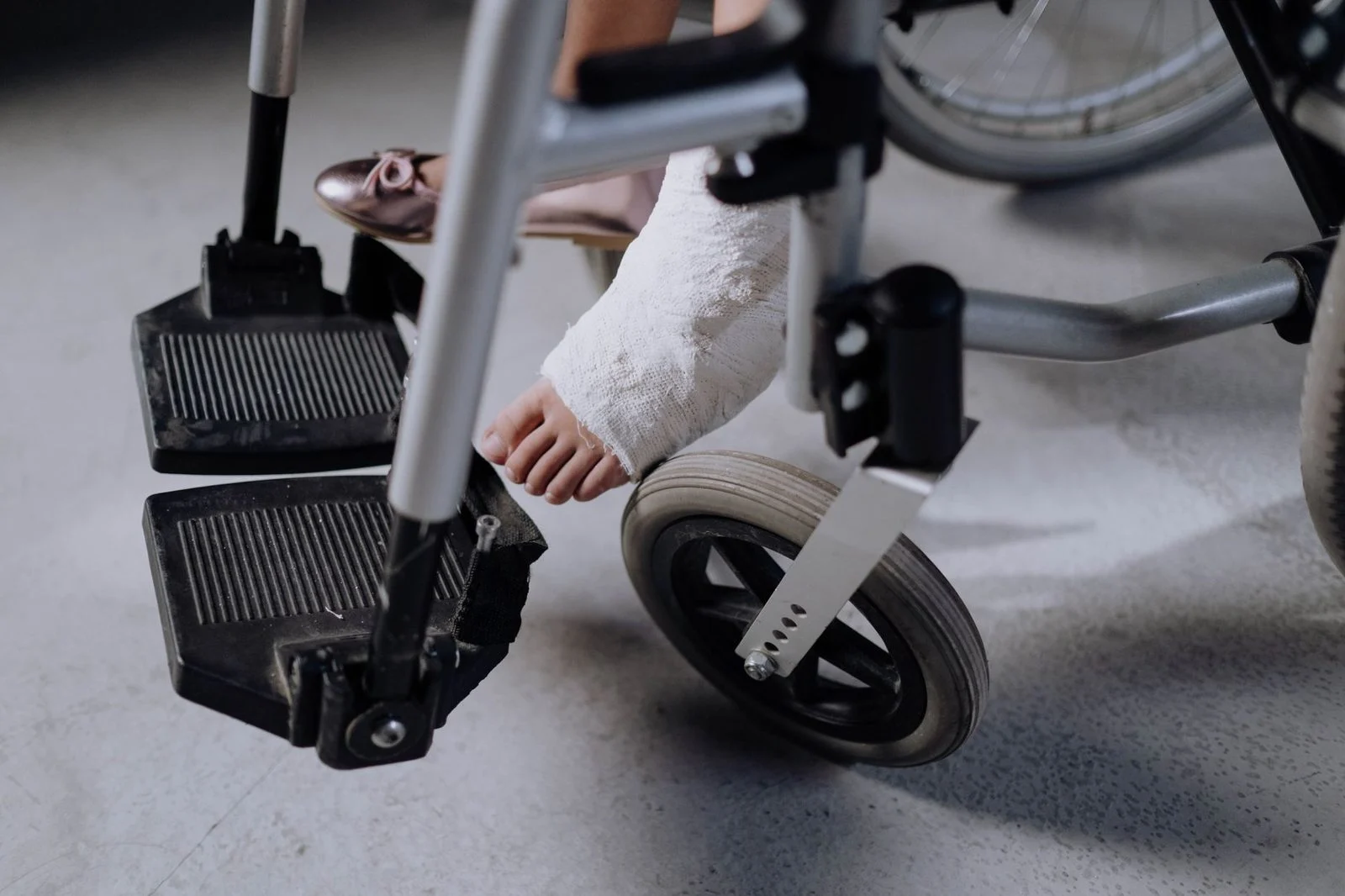
Talk With Our Team About Your Situation
If you are at a hospital bedside or caring for someone with a serious injury, the next decision can feel heavy. You may also be weighing your own recovery and what comes next. You don’t have to sort that out by yourself.
Peter F. Jaraysi and Brian D. Wright, lawyers at Slam Dunk Attorney, are ready to talk through your accident and your questions. Our team can schedule a free case review at our contact page. The first consultation is free, confidential, and carries no obligation to continue.
Responsible lawyer: Peter F. Jaraysi, Slam Dunk Attorney, Duluth, Georgia. Contact details are on our contact page. Attorney advertising. This page is general information, not legal advice, and reading it does not create a lawyer-client relationship. Results depend on the facts of each case.
Five Serious Injury Types We Handle
Spinal Cord Injury and Paralysis
Damage to the spinal cord can affect movement and sensation and often requires long-term medical care, equipment and home changes.
Traumatic Brain Injury
A blow or jolt to the head can cause lasting changes in memory, thinking, mood and daily function, and symptoms can appear hours or days later.
Amputation
Losing a limb changes work, family life and independence, and it can bring prosthetics, rehabilitation and ongoing medical needs.
Severe Burns
Serious burns can require surgery, skin grafts, extended hospital stays and years of follow-up care, along with lasting physical and emotional effects.
Wrongful Death
When someone dies because of another party's negligence, the family faces grief, lost income and unanswered questions. Our team can explain the process in plain language.
How We Can Help
Careful, Serious Attention
Our lawyers focus on cases where a person has been hurt badly, including car, truck, motorcycle, pedestrian, rideshare and short-term rental incidents.
Plain-Language Answers
We explain your options clearly, without legal jargon, so you can make informed decisions at your own pace.
Free First Consultation
Your first consultation is free, confidential and comes with no obligation to continue.
Serving Metro Atlanta and Georgia
Based in Duluth, Georgia, we represent clients in Atlanta, Lawrenceville, Johns Creek, Alpharetta, Marietta, Norcross, Kennesaw, Dunwoody and across the state.
Get Checked After Any Blow to the Head
Brain injury symptoms, such as headaches, confusion, dizziness or changes in mood, can start hours or days after an accident. Seek medical attention after any head injury, even if you feel fine at the scene.