
Slip and Fall | Georgia
What Evidence Matters in Your Slip and Fall Claim
Knowing what to document and preserve after a fall can make the difference in your case. Here's what you need to know.
By Peter F. Jaraysi · Published September 27, 2026
What Evidence Do I Need for a Slip and Fall Claim? A Georgia Guide
To win a slip and fall claim in Georgia, you need evidence that the property owner or manager knew—or should have known—about a hazard and failed to fix it or warn you. The stronger your evidence, the clearer the picture of what happened and who was responsible. This guide walks you through the specific types of evidence that matter most and how to gather and preserve them.
If you've slipped and fallen on someone else's property and aren't sure whether you have a claim, people in your situation reach out to us regularly—let's talk about what happened and what evidence you have. Talk it through with our team — the first consultation is free, confidential, and carries no obligation.
Why Evidence Matters in a Slip and Fall Claim
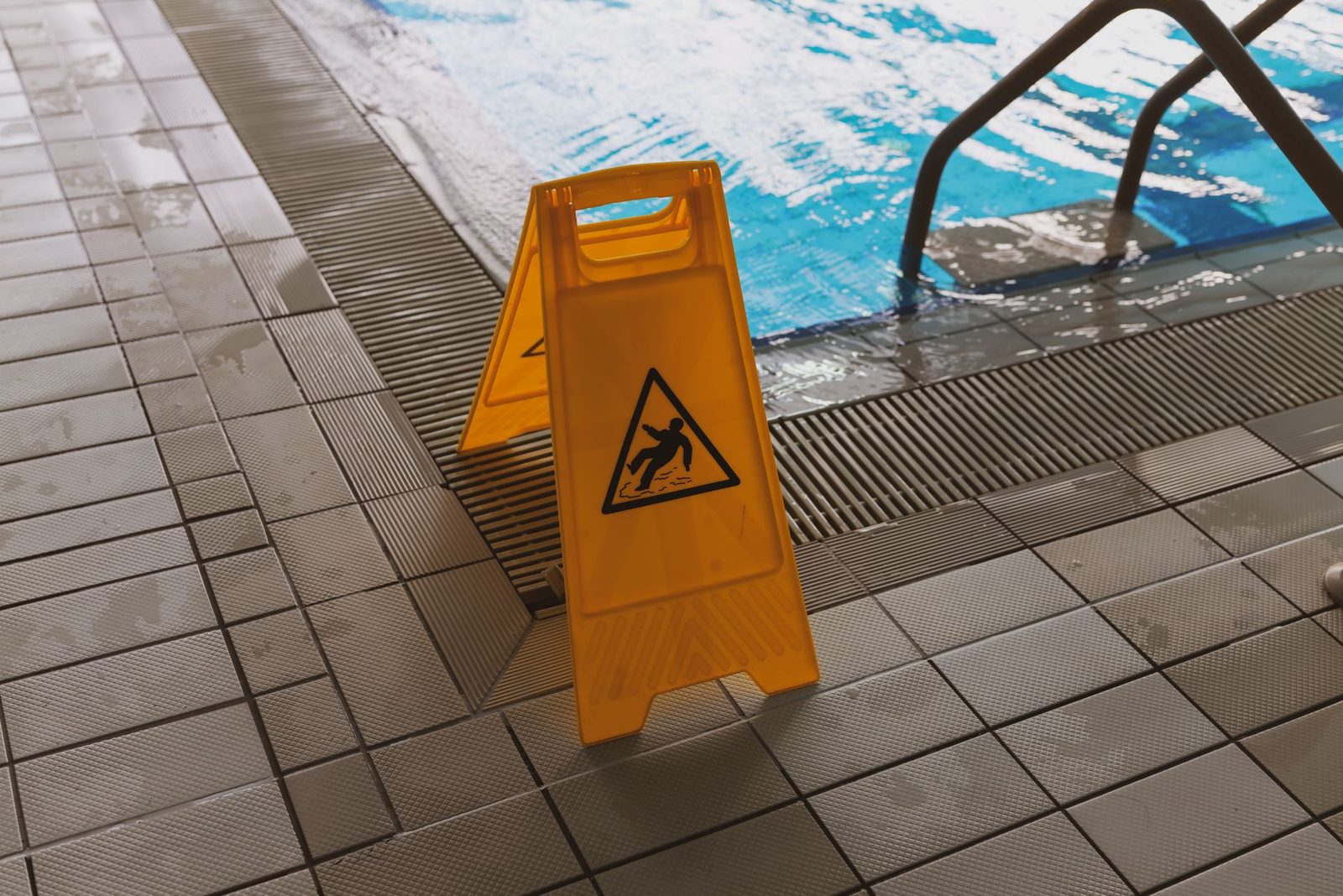
Under Georgia law, a slip and fall is a type of premises liability claim. This means the property owner or manager had a legal duty to keep their property reasonably safe. To prove they breached that duty, you need evidence showing:
- What the hazard was (wet floor, broken tile, debris, ice, etc.)
- That the owner knew or should have known about it
- That they failed to fix it or warn visitors
- That the hazard caused your fall and injuries
Evidence also establishes the extent of your injuries and their impact on your life—which directly affects the value of your claim. Without solid documentation, it becomes your word against theirs.
Photographs and Video of the Scene
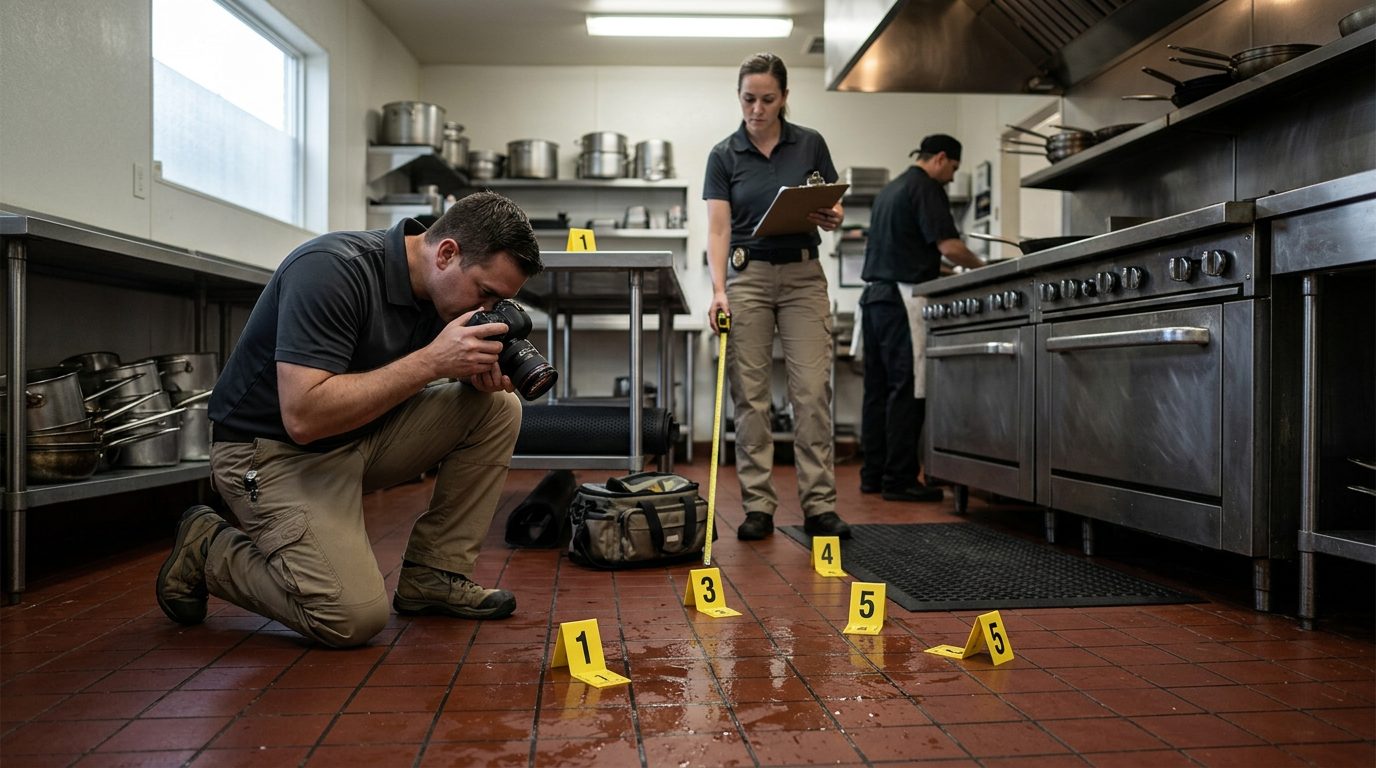
Take photos or video of the exact spot where you fell, including the hazard itself, from multiple angles and distances. Capture the condition from wide shots that show context and close-ups that show the hazard clearly. If possible, photograph warning signs—or the absence of them. Get images of lighting conditions too, especially if poor visibility contributed to the fall.
Video is particularly powerful because it shows the hazard in real time and may capture the layout of the area. If you’re able to return to the scene safely, take additional photos or video. The sooner you document the scene, the better—conditions change, hazards get cleaned up, and memories fade.
Medical Records and Documentation
Seek medical attention promptly after your fall, even if injuries seem minor; medical records create an official timeline linking your injuries to the fall. Keep all records: emergency room visits, doctor’s notes, imaging (X-rays, MRI), physical therapy, prescriptions, and follow-up appointments.
Medical records are critical because they document your injuries objectively and show their severity. Ongoing treatment records also demonstrate whether injuries are healing or causing long-term problems. Don’t skip the doctor visit thinking you’ll be fine—that gap in documentation can hurt your claim later.
Witness Statements
Get the names, phone numbers, and email addresses of anyone who saw you fall or the hazardous condition. Ask witnesses to describe what they saw in their own words, and write it down or record it (with their permission). Witness accounts are powerful because they come from neutral parties with no stake in the outcome.
If witnesses are unavailable later, a written or recorded statement made soon after the incident is valuable evidence. A contemporaneous account—one made while memories are fresh—carries more weight than a recollection months later.
The Incident Report
If the fall happened on a business property (store, restaurant, hotel), ask to file an incident report immediately and request a copy for your records. The incident report is an official document created by the property owner and can support your claim by establishing that the owner knew about the fall and the circumstances surrounding it.
If you’re injured on private property, document the date, time, and location in writing as soon as possible. Send a written request to the property owner asking them to preserve any records related to your fall.
Not sure what your next step is?
Talk it through with our team — the first consultation is free, confidential, and carries no obligation.
Your Own Written Account
Write down everything you remember about the fall while it’s fresh: the date, time, location, weather, what you were doing, how you fell, and what you felt immediately after. Include details about the hazard—was the floor wet, was there a hole or uneven surface, was there ice or snow? Note whether you saw any warning signs or barriers. Describe your immediate injuries and any symptoms that developed later.
This contemporaneous account is credible evidence of what happened. It’s far more reliable than trying to recall details months or years later when your case moves forward.
Clothing and Personal Items
Preserve the clothing and shoes you were wearing during the fall. Damage to shoes or clothing can show the force of the impact or the nature of the hazard. Keep any items involved in the fall (a broken step, a piece of debris) if safely possible, or photograph them. Don’t wash or discard anything until you’ve consulted with an attorney.
Surveillance Video
Many businesses have security cameras; the footage may capture your fall or the hazardous condition. Request that the property owner preserve any video footage related to your incident. Send a written request (email is fine) so there’s a record that you asked for preservation. Surveillance video is often the most compelling evidence because it shows exactly what happened without relying on memory or interpretation.
Property Maintenance Records
Records showing when the property was last inspected, cleaned, or maintained can reveal whether the owner neglected the area. Maintenance logs, cleaning schedules, or repair requests may show that the hazard was known but not addressed. These records are typically obtained during the legal discovery process (the formal exchange of evidence between parties), but knowing they exist helps your attorney build your case.
Prior Incident Reports or Complaints
If others have slipped or fallen in the same spot before, that history strengthens your claim by showing the owner knew or should have known about the hazard. Information about prior incidents may be available through public records or discovery. A pattern of similar accidents at the same location suggests negligence and makes it harder for the owner to claim they didn’t know about the problem.
If you've slipped and fallen on someone else's property and aren't sure whether you have a claim, people in your situation reach out to us regularly—let's talk about what happened and what evidence you have. Talk it through with our team — the first consultation is free, confidential, and carries no obligation.
Communication Records
Keep emails, text messages, or letters exchanged with the property owner, manager, or their insurance company. Save any written responses to your incident report or claim. Communications can reveal what the property owner knew and when they knew it—valuable evidence of their awareness of the hazard.
Frequently Asked Questions
How quickly should I take photos after a slip and fall?
As soon as safely possible. Hazards get cleaned up, conditions change, and the scene may look different days or weeks later.
Do I have to file an incident report?
You don’t have to, but it’s in your interest to do so. The report creates an official record and shows the property owner acknowledged the fall.
What if I don’t have a witness?
Witness statements are helpful but not required. Your medical records, photos, your own written account, and surveillance video can all support your claim.
How long do I have to gather evidence?
Georgia law gives you two years from the date of your fall to file a lawsuit, but evidence can disappear or fade quickly. Gather and preserve it as soon as possible.
Can I go back to the scene to take photos if I didn’t right after the fall?
Yes, but be aware that conditions may have changed. Still, photos taken later are better than no photos. Just document when you took them.
What to Do Right Now
If you’ve slipped and fallen on someone else’s property in Georgia, take these steps immediately:
- Take photos or video of the scene (return if necessary, but be safe)
- Seek medical attention and keep all records
- Write down your account of the fall in detail while it’s fresh
- Collect contact information from any witnesses
- Request an incident report from the property owner if you haven’t already
- Preserve your clothing and shoes
- Request preservation of any surveillance video
If you’ve already gathered some of this evidence and are wondering whether you have a viable claim, or if you’re unsure what to do next, reach out. People who’ve slipped and fallen on someone else’s property in the Atlanta area and across Georgia contact us regularly to discuss their situation and understand their options—and we’re here to help.
For more information about premises liability claims in Georgia, see our premises liability guide.
If you’ve slipped and fallen on someone else’s property and aren’t sure whether you have a claim, people in your situation reach out to us regularly—let’s talk about what happened and what evidence you have.
Critical Evidence to Collect at the Scene
Photographs and Video
Take photos of the hazard that caused your fall—wet floors, debris, poor lighting, broken steps, or torn carpet—as soon as safely possible. Capture the area from multiple angles and distances. Conditions change quickly; property owners often clean up or repair hazards after an incident.
Incident Report
Ask the property owner or manager to file an official incident report on the day of your fall. Request a copy for your records. This creates a documented record and shows the property acknowledged the incident. Keep the report in a safe place.
Witness Information
If anyone saw your fall, get their full names, phone numbers, and email addresses. Witnesses can corroborate what happened and strengthen your account of events. Ask them to describe what they saw.
Medical Records and Documentation
Seek medical attention promptly, even if injuries seem minor. Medical records create a timeline linking your injuries to the fall. Keep all bills, test results, prescriptions, and notes from healthcare providers.
Act Quickly on Documentation
Hazards get repaired, floors get cleaned, and memories fade. The sooner you document the scene and your injuries, the stronger your evidence. Don't wait—preserve what you can while details are fresh and conditions remain unchanged.
Other Evidence That Strengthens Your Case
Maintenance and Inspection Records
Property owners are required to maintain safe premises. Records showing when the property was last inspected or maintained—or lack thereof—can reveal negligence. Your attorney can request these through the legal process.
Prior Complaints or Incidents
If others have fallen or complained about the same hazard before, that history matters. It shows the property owner knew or should have known about the danger. Document any complaints you're aware of.
Clothing and Personal Items
Preserve the clothes and shoes you wore during the fall. They may show damage or wear patterns relevant to what happened. Don't wash or alter them.
Your Own Documentation
Write down everything you remember about the fall while it's fresh: the date, time, weather, lighting, what you were doing, how you fell, and how you felt immediately after. Include names of anyone present.
Why Evidence Matters in Slip and Fall Cases
Establishes Liability
Evidence shows the property owner failed to maintain a safe environment or warn of known hazards. Clear documentation of the dangerous condition is essential.
Links Injuries to the Fall
Medical records and timely documentation prove your injuries resulted from this specific incident, not a pre-existing condition or later event.
Preserves Details
Memory fades and scenes change. Immediate photos, reports, and written notes capture facts before they're lost or altered.
Supports Your Account
Witness statements and official records corroborate your version of events, making your claim more credible and harder to dispute.