
Slip & Fall | Georgia
Grocery Store Slip & Fall Lawyer in Georgia
If you were injured in a slip and fall at a grocery store, Slam Dunk Attorney investigates what happened and holds the store accountable. Free consultation.
By Peter F. Jaraysi · Published September 20, 2026
Grocery Store Slip and Fall Claims in Georgia: Your Rights and Next Steps
If you’ve slipped, tripped, or fallen in a grocery store or retail location in Georgia, you may have a legal claim against the store for negligence. Under Georgia law, store owners have a duty to maintain safe premises and warn customers of known hazards—and when they fail to do so, injured customers can recover damages for medical bills, lost wages, and pain and suffering. This guide explains how these claims work, what you need to know, and how Slam Dunk Attorney can help you pursue fair compensation.
If you've slipped and fallen in a Georgia grocery store or retail location due to a hazard the store should have fixed, you may have a valid claim—and people in your situation contact us regularly to understand their rights. Talk it through with our team — the first consultation is free, confidential, and carries no obligation.
What Is a Grocery Store or Retail Slip and Fall Claim?
A grocery store slip and fall claim is a type of premises liability case—a legal action against a property owner or operator for injuries caused by an unsafe condition on their property.
When you slip on a wet floor, trip over debris, fall because of broken shelving, or are injured by poor lighting or uneven flooring in a store, the store may be legally responsible if its negligence caused your injury. Stores have insurance specifically designed to cover these incidents, and they have a legal obligation to maintain safe conditions for customers. If the store failed in that duty and you were injured as a result, you have the right to seek compensation for your medical expenses, lost income, pain, and suffering.
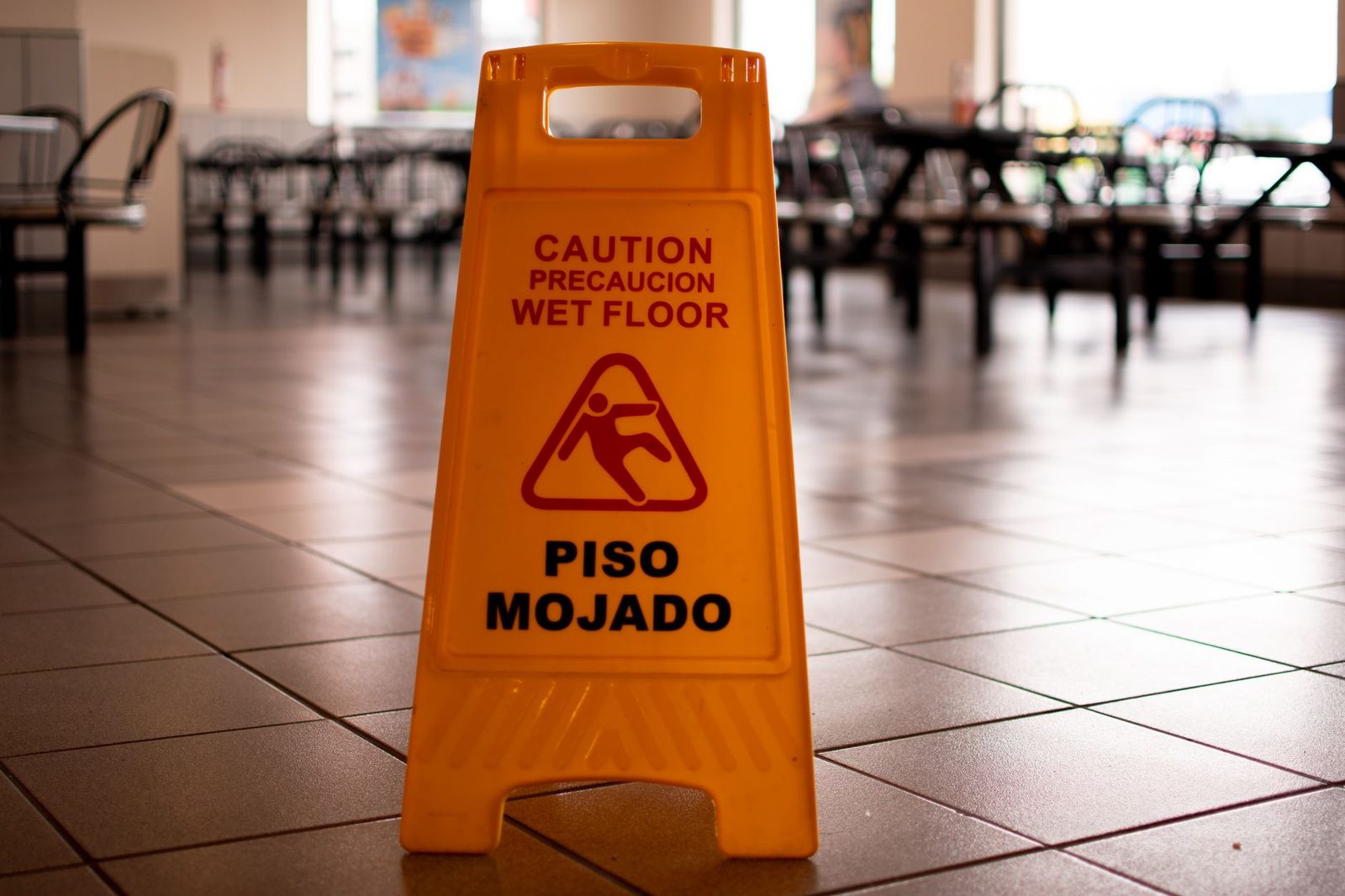
Common scenarios include: – Spilled liquids not cleaned up or marked with warning signs – Broken or damaged flooring, steps, or railings – Debris left on aisles or walkways – Inadequate lighting that hides hazards – Broken shelving or displays that fall on customers – Poor maintenance of doors, escalators, or other fixtures
Who This Service Is For
This service is designed for anyone injured in a slip, trip, or fall at a Georgia grocery store, supermarket, or retail location due to store negligence.
You may be a good fit if you:
- Fell because of a hazard the store created, knew about, or should have discovered through reasonable inspection
- Have medical bills, lost wages, or ongoing pain from the fall
- Are unsure whether you have a valid claim or what your rights are
- Live in metro Atlanta, Duluth, Lawrenceville, Johns Creek, Alpharetta, Marietta, Norcross, Kennesaw, Dunwoody, or elsewhere in Georgia
- Are ready to understand your options without pressure or obligation
Even if you believe you were partially at fault, you may still have a claim. Georgia’s comparative fault rule allows recovery even when you share some responsibility—as long as the store’s negligence was more than 50% responsible for your injury.
What a Grocery Store Slip and Fall Claim Covers
When you pursue a premises liability claim for a grocery store slip and fall, you can seek compensation for:
Medical expenses – Emergency room visits, hospital stays, surgery, imaging, physical therapy, ongoing treatment, and any future medical care related to your injury.
Lost wages – Income you lost while recovering or unable to work, including reduced earning capacity if the injury affects your ability to work long-term.
Pain and suffering – Compensation for physical pain, emotional distress, anxiety, reduced quality of life, and loss of enjoyment of activities you could do before the fall.
Permanent injury damages – If the fall caused lasting disability, disfigurement, scarring, or chronic pain, you can seek additional compensation for these permanent effects.
Property damage – If personal items (glasses, phone, clothing) were damaged in the fall.
Future medical care – Anticipated rehabilitation, ongoing therapy, or treatment costs you’ll incur as a result of your injury.
Our investigation also determines whether the store knew about the hazard, should have discovered it through reasonable inspection, or created it—all factors that strengthen your claim and its value.
How Grocery Store Slip and Fall Claims Work in Georgia
Georgia premises liability law imposes a clear duty on store owners to maintain safe premises for customers.
Your status as an invitee. When you enter a store as a customer, you’re classified as an “invitee” under Georgia law. This means the store owes you the highest level of care—a duty not just to warn you of known dangers, but to conduct reasonable inspections to discover hazards and maintain safe conditions.
The negligence standard. The store is liable if it failed to exercise reasonable care. This doesn’t mean the store must be perfect; it means the store must do what a reasonable store operator would do to keep customers safe. Your own minor carelessness doesn’t automatically bar recovery.
Notice and inspection. Georgia law holds stores liable for hazards they created, hazards they knew about, or hazards they should have discovered through reasonable inspection and maintenance. For example, if a spill occurred 30 minutes ago and no employee checked the aisle, the store may be liable even if it didn’t “know” about the spill.
Comparative fault. Georgia allows recovery even if you were partially at fault. As long as the store’s negligence was more than 50% responsible for your injury, you can recover damages reduced by your percentage of fault. This is a significant protection for injured customers.
Statute of limitations. You have two years from the date of your injury to file a premises liability claim in Georgia. After two years, your claim is barred and you lose the right to recover. If you’ve been injured, don’t delay in reaching out.
Our Process: What to Expect
Pursuing a grocery store slip and fall claim involves several clear steps. Here’s what happens when you work with Slam Dunk Attorney:
Step 1 – Free consultation. You describe what happened, when it happened, and how you were injured. We listen carefully, ask clarifying questions, and explain your legal rights and options with no obligation to hire us. This conversation is confidential.
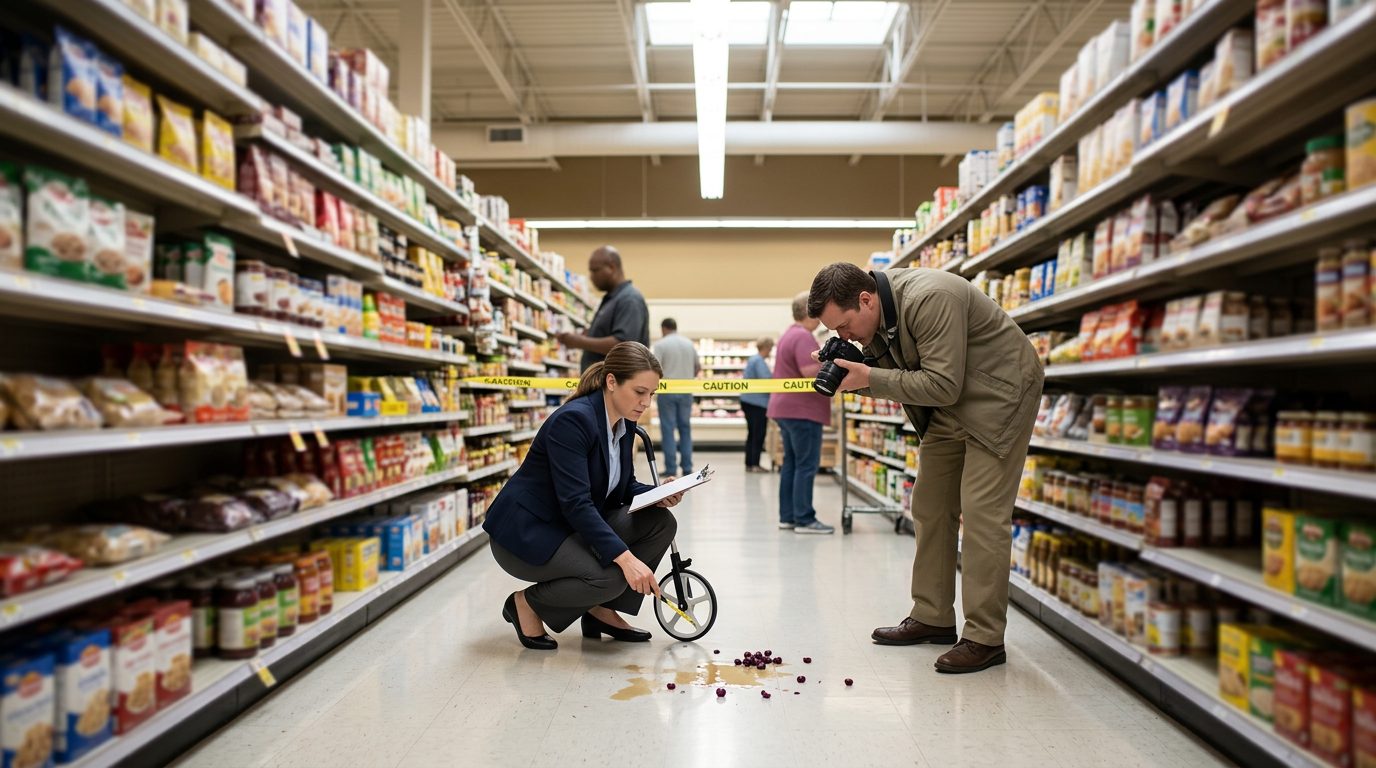
Step 2 – Investigation. We gather critical evidence: store surveillance video, maintenance and inspection records, incident reports, witness statements, and your medical documentation. We may also visit the store to photograph the scene and document the hazard.
Step 3 – Liability assessment. We analyze the evidence to determine whether the store was negligent and what damages you may pursue. We evaluate the strength of your claim and provide you with a realistic assessment of its value.
Step 4 – Demand and negotiation. We prepare a detailed demand letter and send it to the store’s insurance company. We negotiate aggressively on your behalf, presenting evidence and legal arguments to support a fair settlement.
Step 5 – Resolution. Most claims settle without trial. If the insurance company refuses a fair offer, we prepare your case for litigation and are ready to take it to court.
Timeline. From your initial consultation to settlement, most cases take 6–18 months, depending on the severity of your injury and the complexity of the case.
Not sure what your next step is?
Talk it through with our team — the first consultation is free, confidential, and carries no obligation.
Why Choose Slam Dunk Attorney for Your Grocery Store Slip and Fall Claim
Local Georgia experience. We’re based in Duluth, Georgia, and we concentrate on premises liability and slip-and-fall cases. We know Georgia law, local store practices, and how insurance companies in this region handle these claims.
Focused practice. We don’t handle a little bit of everything. We focus on slip-and-fall and premises liability cases—this depth of experience means we know the details that win cases.
Thorough investigation. We don’t accept a store’s first explanation. We obtain surveillance video, maintenance records, prior incident reports, and expert analysis to build a strong case showing negligence.
Experienced negotiation. We handle insurance companies and store legal teams regularly. We know how to build settlement cases that insurers take seriously and are willing to pay.
Transparent communication. We explain your claim in plain language, not legal jargon. We keep you informed every step of the way and answer your questions honestly.
No upfront fees. We work on contingency—you pay nothing unless we recover compensation for you. You may owe case costs (such as investigation, expert fees, or court filing fees); we discuss this upfront so there are no surprises.
What We Need From You
To evaluate your claim and get started, please provide:
- Details of the fall – Date, time, location in the store, what caused it, and what you were doing
- Medical records – Emergency room reports, doctor visits, imaging results, diagnoses, treatment plans, and any ongoing care
- Photographs – Images of the hazard, the scene, your injuries, or the store layout (if available)
- Witness information – Names and contact details of anyone who saw the fall
- Incident report – Any report you filed with the store at the time of the fall
- Insurance information – Your health insurance details and any workers’ compensation claim (if applicable)
The more information you can gather, the stronger your claim. But don’t worry if you don’t have everything—we’ll help you collect what we need.
Evidence That Strengthens Your Claim
The strongest slip-and-fall claims are built on solid evidence. Here’s what we look for:
- Store surveillance video – Footage showing the hazard and your fall is powerful evidence
- Maintenance records – Documents showing the store failed to inspect or clean the area
- Incident report – A report filed with the store immediately after the fall
- Medical documentation – Clear diagnosis and treatment directly linked to the fall
- Witness statements – Testimony from customers or employees who saw what happened
- Expert analysis – Testimony from safety or premises liability experts on store negligence
- Prior complaints – Evidence that the store had previous incidents or complaints about the same hazard
Why Grocery Stores and Retailers Have a Duty to You
Understanding why stores have this legal duty helps explain why your claim is valid.
Stores invite customers onto their property to shop. In exchange for your business, they accept a legal responsibility to keep you safe. This responsibility includes:
- Reasonable inspection – Regular checks for hazards and unsafe conditions
- Prompt cleanup – Spills, debris, and other hazards must be cleaned or cordoned off without unreasonable delay
- Adequate lighting – Sufficient lighting to reveal hazards and allow safe navigation
- Clear warnings – Known hazards must be clearly marked or warned about
- Maintenance – Broken fixtures, uneven flooring, damaged railings, and other defects must be repaired
When a store fails in any of these duties and you’re injured as a result, the store is liable.
Common Questions About Grocery Store Slip and Fall Claims
Q: Do I have to prove the store knew about the hazard?
No. Under Georgia law, the store is liable if it should have discovered the hazard through reasonable inspection, or if it created the hazard. We investigate to show the store’s negligence.
Q: What if I was partially at fault for my slip and fall?
Georgia’s comparative fault rule allows recovery if the store was more than 50% responsible. We build a case showing the store’s primary negligence.
Q: How much is my claim worth?
Value depends on medical costs, lost wages, injury severity, and permanence. We evaluate your specific damages and negotiate accordingly.
Q: Will my case go to trial?
Most settle. We pursue settlement aggressively, but we prepare every case for trial if the store’s insurance company refuses a fair offer.
Q: How long does this take?
Typically 6–18 months from consultation to resolution, depending on case complexity and injury severity.
Q: What if I waited a while before calling?
Georgia’s statute of limitations is two years. If you’re within that window, we can still help. Call soon to preserve evidence.
Q: What should I do right now if I’ve been injured?
Seek medical attention if you haven’t already. Gather any photos, medical records, or incident reports. Then contact us for a free consultation.
If you've slipped and fallen in a Georgia grocery store or retail location due to a hazard the store should have fixed, you may have a valid claim—and people in your situation contact us regularly to understand their rights. Talk it through with our team — the first consultation is free, confidential, and carries no obligation.
Get Your Free Case Review Today
If you’ve slipped and fallen in a grocery store or retail location in Georgia due to a hazard the store should have fixed or warned about, you may have a valid claim. Injured customers in your situation reach out to us regularly—and we’re ready to listen, explain your rights, and help you pursue fair compensation.
Call Slam Dunk Attorney for a free, confidential case review. No obligation. No upfront fees. Just honest answers about your claim and your next steps.
Request a free consultation or call us today. We serve metro Atlanta, Duluth, and all of Georgia.
Why Slam Dunk Attorney for Your Grocery Store Slip & Fall
We Handle the Investigation
Grocery stores have a duty to keep their floors safe and to discover hazards through reasonable inspection. We gather evidence—photos, store records, witness statements, and video—to show how the store's negligence caused your fall.
Georgia Law Works in Your Favor
Under Georgia premises liability law, a store can be liable even if it didn't know about the hazard—if it should have discovered it through proper maintenance and inspection. We know how to prove that.
Clear Answers About Your Claim
We explain your rights in plain language. If you were partially at fault, Georgia's comparative fault rule may still allow you to recover. We'll walk you through what that means for your case.
No Fees Unless There's a Recovery
We work on a contingent fee basis. You pay no attorney fees unless there is a recovery. You may still owe case costs; we'll discuss that upfront.
What Happens After Your Slip & Fall
We Investigate
We request store maintenance logs, inspection records, and any video footage. We photograph the scene and interview witnesses to establish how the hazard existed and how the store should have caught it.
We Build Your Case
We document your injuries, medical treatment, and losses. We work with medical professionals if needed and calculate the full scope of your damages—medical bills, lost wages, pain and suffering.
We Negotiate or Litigate
We present a strong demand to the store's insurance company. If they won't offer fair compensation, we're ready to take your case to court.
You Stay Informed
We keep you updated every step of the way and answer your questions. You're never left wondering where your case stands.
Don't Delay—Time Matters
Evidence fades, witnesses move, and video footage gets recorded over. The sooner we investigate, the stronger your claim. Contact us right away after your slip and fall.