
Short-Term Rental Injuries in Norcross, Georgia
Hurt at a Vacation Rental? Talk With a Norcross-Area Injury Team
Slam Dunk Attorney, based in Duluth, Georgia, represents people injured at Airbnb, VRBO and other short-term rentals across metro Atlanta. We listen, explain your options in plain language, and help you understand what comes next.
By Peter F. Jaraysi · Published October 26, 2026
If you were hurt at a short-term rental in Norcross, someone may have failed to keep the property safe. Georgia generally requires most injury lawsuits to be filed within two years of the injury. This guide covers short-term rental injuries Norcross visitors and residents should understand. Slam Dunk Attorney is based in Duluth, Georgia, and represents people hurt in these cases across metro Atlanta and Georgia.
Why a Short-Term Rental Injury Raises Different Questions
A short-term rental injury is often harder to trace than a fall at home or in a long-term apartment. A short-term rental is a house or unit that guests rent for a few nights or weeks, often booked through Airbnb or VRBO. Guests usually don’t know the home’s repair history. They may not have a lease that spells out who fixes what. Many visitors to Norcross stay in Gwinnett County for work, family visits, or events. Many are first-time guests in a home they have never seen. The person who booked the stay often isn’t the person who runs the property day to day. A remote owner, a manager, and a cleaning company may each control different parts of the home. Georgia law focuses on the owner or occupier of the land. An owner or occupier who invites people onto the property must use ordinary care to keep the premises and approaches safe, under O.C.G.A. § 51-3-1.
If you were hurt at a Norcross rental and are deciding what to do next, our team can review what happened with you. Request a free consultation with Slam Dunk Attorney. Talk it through with our team — the first consultation is free, confidential, and carries no obligation.

Common Injuries at Norcross Vacation Rentals
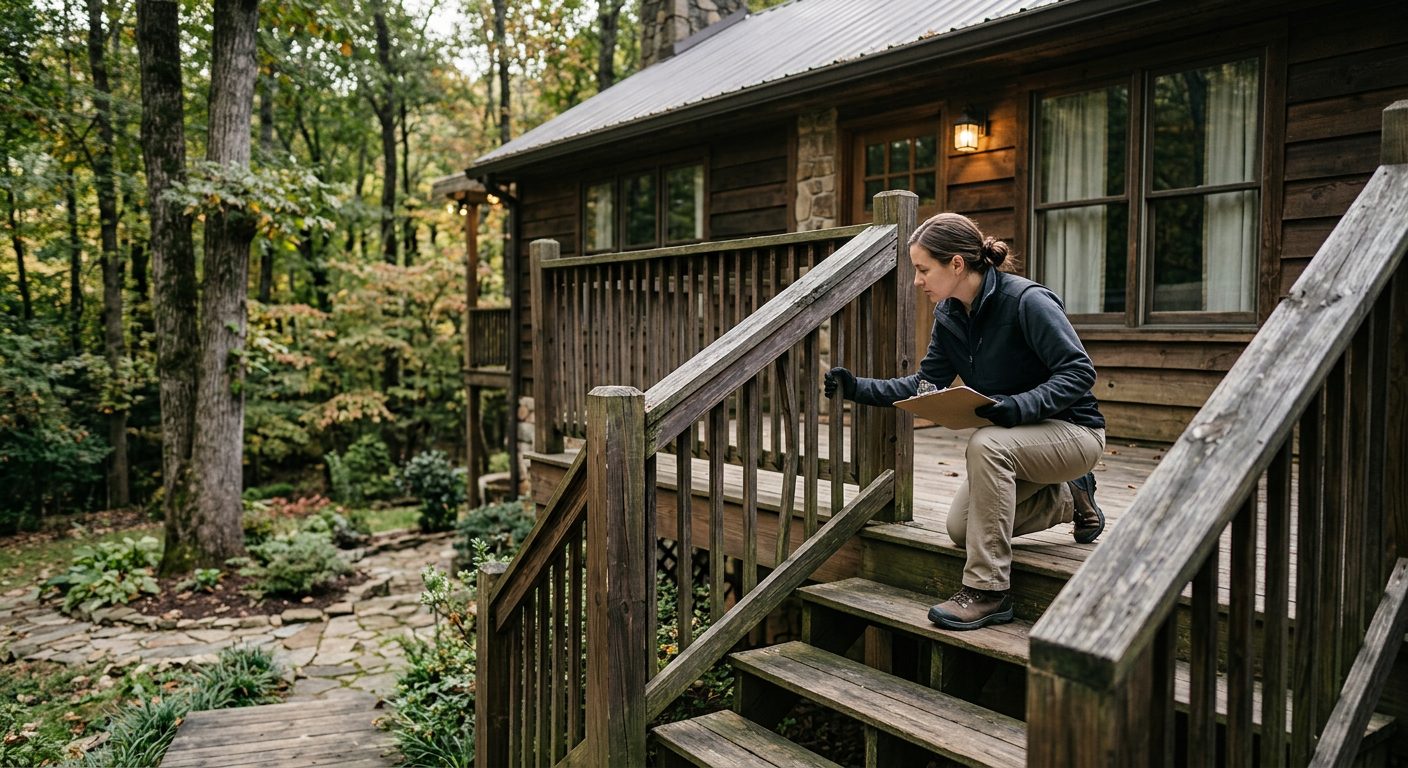
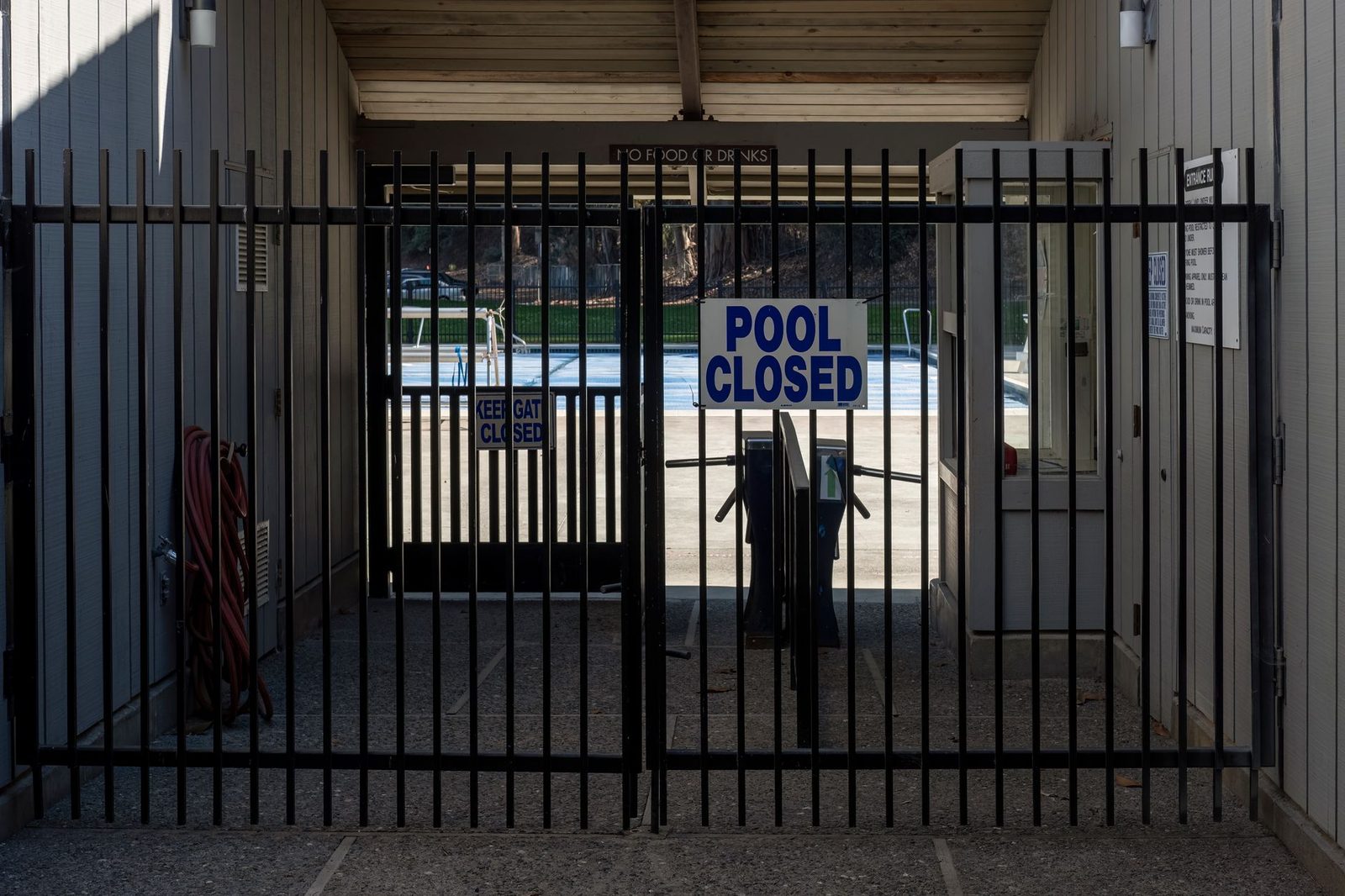
Most rental injuries come from hazards a guest cannot easily see or avoid. Falls are a major concern. Stairs, loft ladders, decks, and porches can cause serious falls when railings are loose, missing, or set too low. Guests in an unfamiliar home may not know where the steps are or which rail is weak. Pools, hot tubs, and docks also cause harm. Injuries often follow when gates, barriers, or warning signs are missing or inadequate. Dog bites happen when a host’s pet, or a pet left on the property, attacks a guest. Some injuries tie to security. Broken locks or dim lighting in parking areas can leave guests exposed. Burns, electrical shocks, and broken fixtures also cause injuries when repairs were never made.
Premises claims often turn on one question. Did the owner or manager know, or should they have known, about the hazard and fail to fix it or warn guests? Georgia’s dog bite statute, O.C.G.A. § 51-2-7, says an owner or keeper of a vicious or dangerous animal may be liable when careless management or allowing the animal to go at liberty causes injury to a person who does not provoke the injury by his own act. A fall can also cause a head injury. The Georgia Department of Public Health covers fall-related injuries, including traumatic brain injuries, in its injury prevention program.
Who May Be Responsible After a Rental Accident
More than one party can be responsible after a rental injury. The owner or host may have a duty to keep the home reasonably safe and warn guests about known hazards. A property management company may share responsibility if it handles repairs, cleaning, or check-in. The answer often depends on the facts of the stay. Details about who controlled the area where an injury happened are often part of reviewing a case. Booking platforms like Airbnb and VRBO raise separate questions about their role in claims. Those questions are fact-specific and can be complex.
Georgia uses modified comparative fault, which means shared fault. Under O.C.G.A. § 51-12-33, damages are reduced in proportion to the injured person’s share of fault. A person who is 50 percent or more responsible for the injury cannot recover damages. Each liable party pays its own apportioned share, and those shares are not joint. The jury can also consider the fault of people who were not named in the lawsuit. That makes it important to identify everyone who may have contributed. Insurance adds another layer. The Insurance Information Institute notes that homeowners and renters coverage for hosting varies, and regular hosting can be treated as a business needing separate coverage. Don’t assume the host’s policy is the only source of recovery.
Georgia’s Filing Deadline for Personal Injury Claims
Georgia generally requires most injury lawsuits to be filed within two years after the right of action accrues. Under O.C.G.A. § 9-3-33, actions for injuries to the person must be brought within that period. Loss of consortium claims, which involve the loss of a spouse’s companionship, have a four-year period under the same statute. Wrongful death claims follow their own rules. Under O.C.G.A. § 51-4-2, a surviving spouse, or a child if there is no surviving spouse, may recover for the homicide of the spouse or parent the full value of the decedent’s life, as shown by the evidence.
Deadlines can be affected by specific circumstances. Waiting also makes evidence harder to gather. Photos fade, and witnesses move on. Don’t assume you have time. Confirm your deadline early, while the facts are still fresh.
What to Document After an Injury at a Rental
Start documenting the hazard as soon as it is safe. Take photos of the broken step, missing railing, unlocked gate, or dim light. Photograph the surrounding area too, so the location is clear. Save the booking confirmation, the listing description, and the house rules. These show what the host promised guests. Keep every text, app message, and email with the host or property manager. Pay close attention to any report of the problem made before your injury. Write down the names and contact details of anyone who saw the incident. Note the date, time, and exact location.
Get medical care and keep every record. Save each bill and visit note. Write down your symptoms and treatment as they develop, since some injuries show up days later. Be careful with insurance. An adjuster may ask for a recorded statement. Talk with our team before you give one.
Talk With Our Lawyers About Your Norcross Rental Injury
Slam Dunk Attorney offers a free, confidential first consultation with no obligation to continue. The firm is based in Duluth, Georgia. Our team handles short-term rental injuries Norcross residents and visitors face, along with car and truck accidents, dog bites, premises liability incidents, and other injuries across metro Atlanta and Georgia. We serve Norcross and nearby Gwinnett County communities, including Lawrenceville, Johns Creek, Alpharetta, and Dunwoody. Peter F. Jaraysi is the responsible lawyer for this page.
How long do I have to file a rental injury claim in Georgia?
Georgia generally requires most injury lawsuits to be filed within two years of the injury. Confirm your own deadline early.
Can I sue a host if I was hurt at their Airbnb or VRBO?
Possibly. Responsibility depends on who controlled the area and what they knew about the hazard.
Can I recover anything if I was partly at fault?
Georgia reduces damages by your share of fault. If you are 50 percent or more responsible, you cannot recover damages (O.C.G.A. § 51-12-33; Quynn v. Hulsey (2020)).
If you were hurt at a Norcross rental and are weighing your next step, our team can review what happened with you. Request a free consultation through our contact page.
Responsible lawyer: Peter F. Jaraysi, Slam Dunk Attorney, Duluth, Georgia. Contact: our contact page. This page is general information, not legal advice.
How We Help Guests Who Were Hurt
Compassionate first conversation
You have enough to deal with after an injury. We start by hearing what happened, at your pace, and answering your questions.
Careful review of the facts
We look at the property, the booking details, the messages with the host or platform, and the medical records to understand how the injury happened.
Clear communication
Our lawyers and support staff keep you informed about each step so you always know where your case stands.
Rooted in the Atlanta area
From our office in Duluth, we represent injured people in Norcross, Lawrenceville, Alpharetta, Marietta, Dunwoody and throughout Georgia.
Protect Your Records Early
If you are hurt at a rental, photograph the hazard and your injuries, save your booking confirmation and any messages with the host, and write down what happened while it is still fresh. Keep every medical bill and visit note.
Common Short-Term Rental Hazards
Pools, hot tubs and decks
Slippery surfaces, missing fencing, unsecured drains and broken railings can cause serious falls, drownings and near-drownings.
Stairs, balconies and railings
Loose handrails, rotted boards and unguarded balconies are frequent sources of falls and fall-related injuries.
Defective furniture and appliances
Collapsing furniture, faulty wiring, gas leaks and unsafe appliances can lead to burns, shocks and other harm.
Inadequate security
Broken locks, poor lighting and missing security measures can leave guests exposed to assault or break-ins.