
Short-Term Rental Injuries | Marietta, Georgia
Hurt at a Vacation Rental in Marietta? You Don't Have to Handle It Alone.
Slam Dunk Attorney represents guests injured at short-term and vacation rentals, including Airbnb and VRBO stays, in Marietta and across metro Atlanta. Your first consultation is free, confidential, and comes with no obligation to continue.
By Peter F. Jaraysi · Published October 26, 2026
This guide to short-term rental injuries Marietta visitors face explains how these claims work. Injuries at Airbnb and VRBO homes often come from hazards the host should have fixed. Under Georgia law, the people who control a rental may owe a duty of ordinary care. This guide covers how injuries happen, who may be responsible, the deadlines that matter, and what to save right now. Slam Dunk Attorney represents people hurt in these situations across metro Atlanta and Georgia from its Duluth, Georgia office.
Injuries That Happen at Short-Term Rentals in Marietta
Most rental injuries come from ordinary hazards that a host should have fixed before the next guest arrived. Guests change often, so wear and damage can go unnoticed for a long time. Common hazards include:
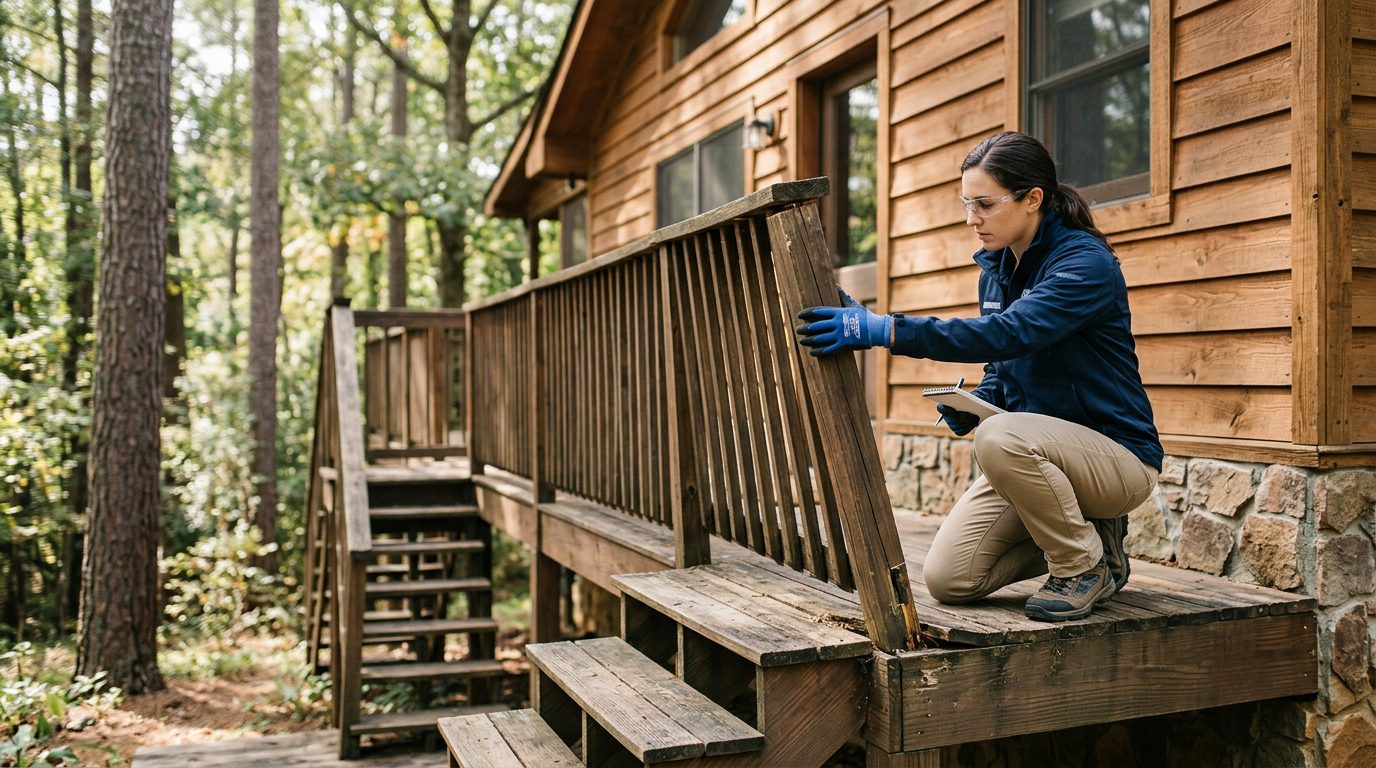
- Broken stairs, loose deck boards, and railings that give way
- Pools and hot tubs without proper barriers
- Slippery bathroom floors and poor lighting on stairs and walkways
- Water intrusion and mold, electrical problems, and carbon monoxide or fire risk from faulty heaters or appliances
- Dog bites from a host’s pet
- Unsafe furniture, loose wall mounts, or equipment left in the unit
Falls are a serious concern. The Georgia Department of Public Health treats fall-related injuries, including traumatic brain injuries, as a Georgia injury concern. Local news in metro Atlanta has also reported complaints about short-term rentals, including crime and housing conditions. Guests and neighbors should write down and photograph what they see.
If you were hurt at a Marietta rental and are deciding whether to act now, our team can review your booking, the property's condition, and your injuries in a free consultation. Talk it through with our team — the first consultation is free, confidential, and carries no obligation.
Who May Be Responsible for Your Injury
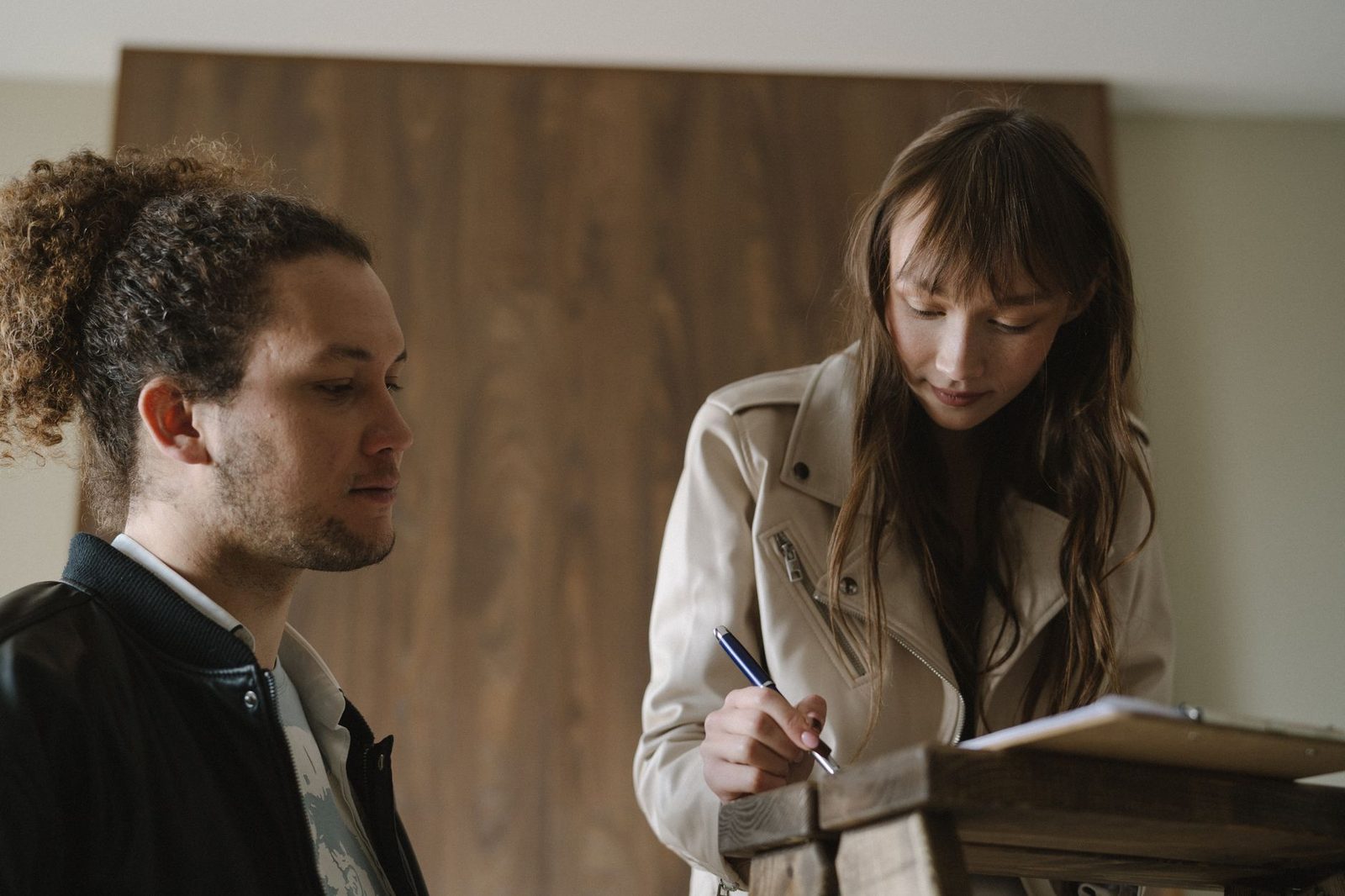
Responsibility can fall on the owner, the host, a property manager, or a maintenance contractor. The key question is who controlled the property and who knew or should have known about the hazard.
Georgia has a rule for contractors. An employer can be liable for a contractor’s negligence in certain cases, including when the employer keeps the right to direct or control how the work is done. See O.C.G.A. § 51-2-5. A repair done badly by a hired handyman can matter a lot.
Booking platforms raise a separate question. Whether Airbnb or VRBO has a role depends on the facts of your stay. That question is reviewed with you, not assumed.
Insurance is another piece. According to the Insurance Information Institute, whether a homeowners or renters policy covers short-term rental activity depends on the circumstances. Regular hosting can be treated as a business that needs different coverage. Coverage is reviewed during the consultation.
How Georgia Premises Liability Applies to Rental Properties
Under Georgia law, except as provided in O.C.G.A. § 51-3-54, an owner or occupier can be liable to an invitee for negligent security, meaning injury caused by a third person’s wrongful conduct, if the plaintiff proves the elements listed in O.C.G.A. § 51-3-51, including that the owner or occupier failed to exercise ordinary care to remedy or mitigate a specific and known physical condition and to otherwise keep the premises safe from such wrongful conduct by a third person. Under O.C.G.A. § 51-3-1, an owner or occupier who invites people onto the premises for a lawful purpose is liable for injuries caused by failing to use ordinary care. This is the core of most premises liability claims.
A guest who books and pays to stay was invited for a lawful purpose.
Security is a separate issue. Under O.C.G.A. § 51-3-51, a negligent security claim requires proof that the third person’s wrongful conduct was reasonably foreseeable. Prior similar incidents on the property, or within 500 yards of it, that the owner actually knew about can be part of that proof. The same source, under O.C.G.A. § 51-3-54, says no owner or occupier is liable for negligent security for an injury on premises used as a single-family residence. How a rental is used can change the analysis.
Deadlines and Why Timing Matters
Georgia’s general deadline for most injury lawsuits is two years after the right of action accrues. Under O.C.G.A. § 9-3-33, actions for injuries to the person must be brought within that period. Claims involving loss of consortium have four years under the same statute.
Some claims carry shorter deadlines or notice rules. Wrongful death claims follow their own time limits, so families should get the timing reviewed early.
Timing also matters in practice. Hazards are often repaired quickly after an incident, which can erase the evidence. Medical records made close to the injury also build a clearer timeline. Waiting to see if the pain fades can leave a gap in that record.
Evidence to Preserve After a Rental Injury
The most useful evidence is what you save in the first few days. Keep these items:
- Your booking confirmation, receipts, and check-in details
- Screenshots of the listing and house rules, since listings change
- Messages with the host or platform about the hazard, repairs, or your injury
- Photos and video of the hazard, your injury, and the room, taken once it is safe
- Names and contact details of other guests or neighbors who saw what happened
- Marietta Police or Fire reports, if responders came to the property
- All medical records, bills, and insurance explanations
Medical costs matter under Georgia law. Under O.C.G.A. § 51-12-1.1, in any civil action to recover damages resulting from injury or death to a person, special damages for medical expenses are limited to the reasonable value of medically necessary care. Keep every bill and statement.
What Happens in a Free Case Review
A free case review is a confidential talk about how your injury happened. Our team walks through the timeline of your stay, the property’s condition, and the care you have received. We also review the documents you have already gathered.
Together, you and the lawyer discuss which parties may be responsible and what the next steps could look like. The review makes no promises about any result. It is the place to ask questions about your own situation.
Fault is part of the picture. Under O.C.G.A. § 51-12-33, damages are reduced in proportion to the plaintiff’s percentage of fault. A plaintiff who is 50 percent or more responsible recovers no damages. Many people worry they share some blame, and those facts are reviewed openly.
The first consultation is free, confidential, and carries no obligation to continue.
Not sure what your next step is?
Talk it through with our team — the first consultation is free, confidential, and carries no obligation.
Talk With Our Team About Your Marietta Rental Injury
If you were hurt at a Marietta rental and are deciding whether to act now, request a free consultation while your evidence is fresh. Your booking, the property, and your injuries can be reviewed together.
Can I sue Airbnb or VRBO after a rental injury?
Whether a booking platform has a role is reviewed case by case, based on your stay.
How long do I have to file in Georgia?
Georgia’s general deadline for most injury claims is two years, under O.C.G.A. § 9-3-33.
Does Georgia reduce my recovery if I was partly at fault?
Yes. Damages are reduced by your share of fault, and you recover nothing at 50 percent or more, under O.C.G.A. § 51-12-33.
What should I bring to the review?
Bring your booking confirmation, medical records, bills, and any messages with the host.
Responsible lawyer: Peter F. Jaraysi, Slam Dunk Attorney, Duluth, Georgia. Contact: https://slamdunkattorney.com/contact-us/. This page is general information, not legal advice, and reading it does not create an attorney-client relationship.
How Our Team Can Help
Listening First
We take time to hear what happened during your stay, including the condition of the property and how the injury occurred.
Organizing Your Records
We help you gather booking confirmations, photos, medical records, and messages with the host or booking platform.
Clear Options
We explain the possible paths forward in plain language so you can decide what makes sense for your situation.
Support Through Recovery
We understand that injuries affect your health, your work, and your family. We focus on making the legal process as manageable as possible for you.
Protect Your Recovery
Seek medical care right away, even if your injury seems minor. Keep photos of the hazard, your receipts, your reservation details, and any written communication with the host or platform. Avoid posting about the incident on social media.
Common Short-Term Rental Injuries
Unsafe Stairs, Decks and Balconies
Loose railings, rotted boards, and missing guardrails can cause serious falls for guests of any age.
Pools, Hot Tubs and Water Hazards
Unfenced pools, slippery surfaces, and missing safety equipment can lead to drowning risks and severe injuries.
Poor Maintenance and Hidden Hazards
Broken appliances, faulty wiring, exposed fixtures, and unreported mold or water damage can put guests at risk.
Inadequate Security
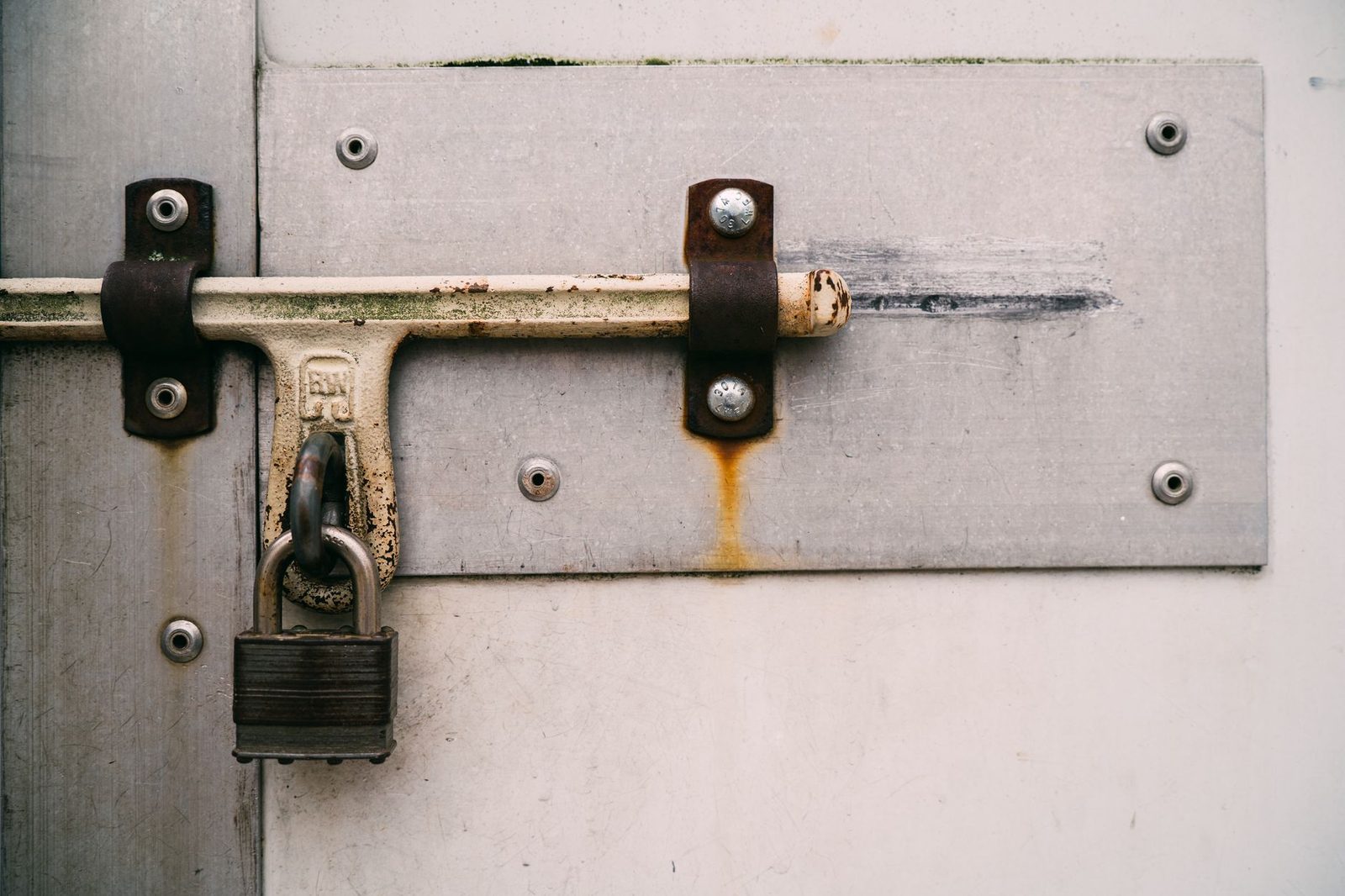
Broken locks, poor lighting, and unsecured entrances can expose guests to assault or other criminal harm.