
Johns Creek Short-Term Rental Injuries
Hurt at a Johns Creek Vacation Rental? Talk to Our Team.
Slam Dunk Attorney, based in Duluth, Georgia, represents people injured in Airbnb, VRBO and other short-term rental properties in Johns Creek and across metro Atlanta. Our team can help you understand your options.
By Peter F. Jaraysi · Published October 26, 2026
Short-term rental injuries Johns Creek guests experience often come from ordinary hazards that the host could have fixed or warned about. If you were hurt at an Airbnb or VRBO home, Georgia law may allow you to seek compensation from the party responsible for the unsafe condition. This guide explains who may be responsible, what to save, and the deadline to keep in mind. Slam Dunk Attorney is a personal injury law firm based in Duluth, Georgia.
How Short-Term Rental Injuries Happen in Johns Creek
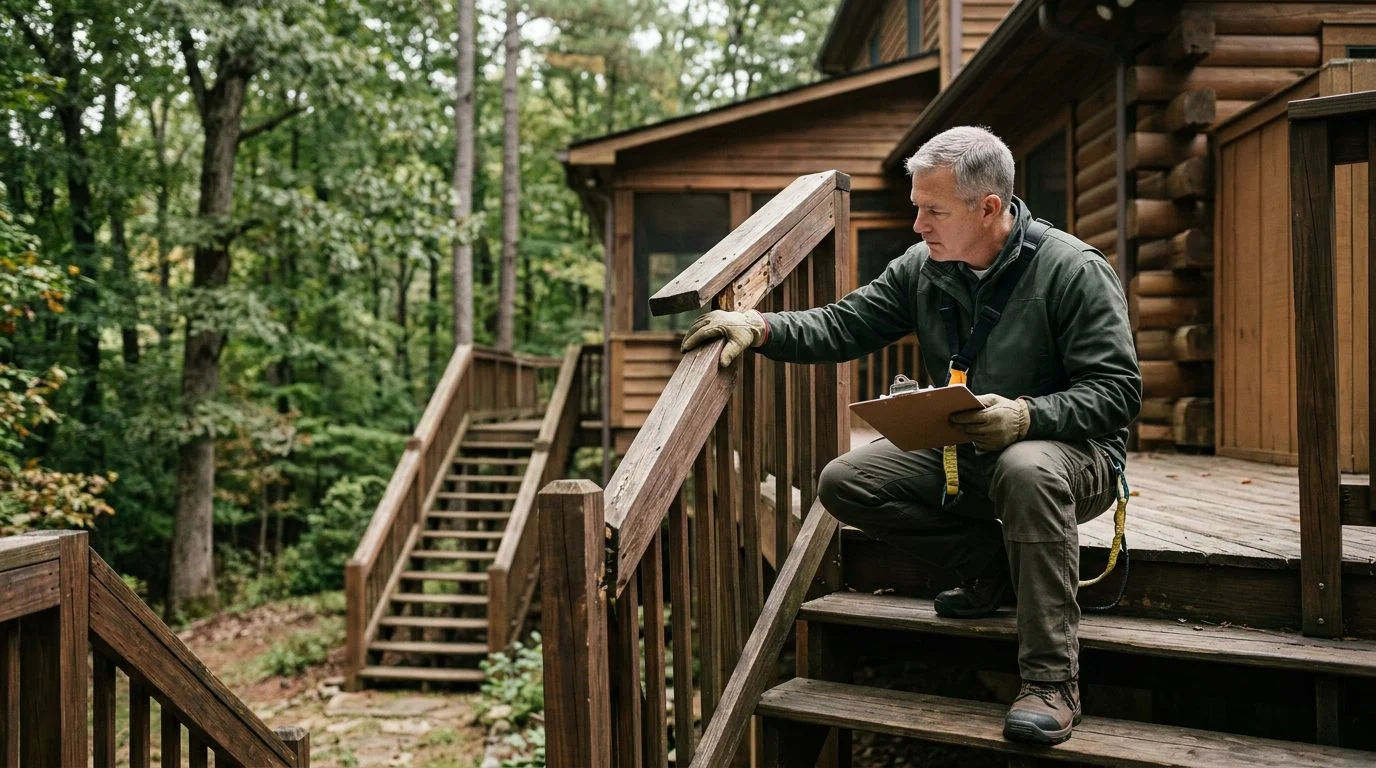
Most rental injuries come from everyday hazards like wet floors, loose railings, and pool areas. Many homes in Johns Creek have pools, decks, hot tubs, and tall staircases. Families often book these homes through Airbnb and VRBO for trips, holidays, and gatherings. Common injury settings include:
- Slips on wet pool decks or kitchen floors.
- Falls from loose railings or unsecured stairs.
- Pool and hot tub incidents.
- Dog bites from a host’s pet.
- Injuries from broken furniture or appliances.
A guest walks into a home they have never seen before. They don’t know which stair is loose or where the floor gets slick after a rain. That’s why the property’s condition matters so much. A hazard a local resident would avoid without thinking can catch a guest off guard on the first night.
If your booking records and photos are still on your phone, you may have a claim worth reviewing, and our team can talk it through with you. Talk it through with our team — the first consultation is free, confidential, and carries no obligation.
Who May Be Responsible for a Rental Property Injury
Several parties may be involved in one rental. The property owner, the host, a property manager, and a cleaning or maintenance company may each play a role. Some booking platforms may also be named, depending on how they operate.
Under O.C.G.A. § 51-3-1, an owner or occupier who invites people onto land for a lawful purpose must use ordinary care to keep the premises and approaches safe. Under O.C.G.A. § 51-3-1, the legal question is whether the owner or occupier failed to exercise ordinary care in keeping the premises and approaches safe, and whether that failure caused the injury.
Which party is responsible depends on the facts of the incident, the property’s arrangements, and the evidence available. A management contract, a repair request, or a message thread can shift the picture.
Deadlines and Insurance Questions Injured Guests Often Ask
Georgia generally requires injury lawsuits to be filed within two years. Under O.C.G.A. § 9-3-33, actions for injuries to the person must generally be brought within two years after the right of action accrues, except for actions involving loss of consortium, which must be brought within four years. Waiting too long can cost you the right to file, so it helps to act early.
Many guests ask whether their own policy covers a rental injury. According to the Insurance Information Institute, coverage for short-term rental activity depends on the circumstances. Regular hosting may be treated as a business that needs separate coverage. Rental and host liability coverage can differ from a standard homeowners policy, so a case review looks at the policies involved.
Under O.C.G.A. § 51-12-33, Georgia also reduces damages when the injured person shares fault. Under O.C.G.A. § 51-12-33, damages are reduced in proportion to the injured person’s percentage of fault. A person who is 50 percent or more responsible recovers nothing. Prompt medical care also matters for your health and for your records. Under O.C.G.A. § 51-12-1.1, medical expenses are limited to the reasonable value of medically necessary care.
Evidence to Keep After a Rental Injury
Start saving proof the same day, as soon as it’s safe. Strong records show what happened and what the host knew. Keep these items:
- Photos and video of the exact spot, the hazard, the lighting, and nearby conditions.
- The booking confirmation and the listing as it looked when you booked, plus screenshots of house rules or safety notes.
- Messages with the host or manager, including repair requests and replies.
- Names of witnesses who saw the incident or the hazard.
- Medical records, bills, and notes about missed work or activities you could not do.
Georgia’s state risk management guidance on slip-and-fall prevention lists prompt spill cleanup and clear walkways as core practices. That guidance is written for office settings, but the same ideas apply to a home. Under O.C.G.A. § 51-12-2, special damages, such as medical bills, must be proved to be recovered. Keeping receipts makes that proof easier.
Johns Creek Area Context for Rental Guests
Rental injury claims in Johns Creek follow the same Georgia rules as claims in nearby cities. Guests often compare stays across Alpharetta, Marietta, and Norcross, where similar hazards exist. The evidence steps stay the same wherever the home sits. The property’s address and the parties involved still shape each case.
Falls are a common concern for guests. The Georgia Department of Public Health addresses fall-related injuries, including traumatic brain injuries, in its injury prevention work. A fall on a pool deck or staircase can be more serious than it first looks. Get medical care after any blow to the head.
If a host’s dog caused the injury, O.C.G.A. § 51-2-7 may apply. A person who O.C.G.A. § 51-2-7 owns or keeps a vicious or dangerous animal may be liable when careless management or letting the animal go at liberty causes injury to someone who did not provoke it. An animal that a local ordinance required to be on a leash, but that was not, can be enough to show a vicious propensity (a known tendency to be dangerous). Johns Creek sits in north Fulton County, so local leash rules may matter.

Talk With Slam Dunk Attorney About Your Johns Creek Rental Injury
Injured guests weighing a claim can start with a free, confidential consultation with Slam Dunk Attorney. The firm’s initial consultation is free, confidential, and carries no obligation to continue. If a case moves forward, clients may still owe court costs and case expenses, so ask about those when you call.
Peter F. Jaraysi is the responsible lawyer for this page. Our team can review your booking records, photos, and medical paperwork with you. We can also explain how the rules above may apply to your property and injury.
Quick Answers
Can I sue an Airbnb or VRBO host?
A host may be responsible if an unsafe condition caused your injury and the host failed to use ordinary care. Each case turns on its own facts.
How long do I have to file?
Georgia generally requires injury claims to be brought within two years after the right of action accrues.
Does my homeowners policy cover a rental injury?
Coverage depends on the circumstances, and regular hosting may need separate business coverage.
What should I do first?
Photograph the exact spot, and save your booking confirmation and messages with the host.
If you were hurt during a Johns Creek stay and your booking records and photos are still on hand, reach out through our contact page and we’ll walk through your options.
How We Approach Your Case
Plain-Language Answers
We explain the legal process in everyday terms so you know what to expect at each step.
Focus on Injury Claims
Our work centers on people hurt in accidents and unsafe properties, including short-term rentals.
Careful Review of Your Facts
We look at how your injury happened, what conditions were involved, and what records exist.
Respect for Your Recovery
We understand that injuries affect your health, work and family, and we keep your well-being in mind.
Protect Your Information
If you were injured at a rental property, try to write down what happened, keep photos of the condition that caused the injury, save medical records and bills, and keep copies of messages with the host or booking platform. Speaking with a lawyer early can help you understand which records matter.
Common Short-Term Rental Injury Situations
Pools and Hot Tubs
Injuries involving unfenced pools, slippery pool decks, drain problems or unsupervised hot tub areas.
Stairs, Decks and Balconies
Falls caused by broken railings, loose boards, missing steps or unstable balcony structures.
Hidden Hazards
Injuries from exposed wiring, faulty appliances, poor lighting, or carbon monoxide problems.
Property Management Issues
Situations where repairs were reported but not completed, or where unsafe conditions were not disclosed to guests.