
Spinal Cord Injuries | Duluth, Georgia
Hurt in a Spinal Cord Injury Accident in Georgia? Know What to Do Next
Plain-language steps to protect your health and your claim, from the team at Slam Dunk Attorney. Our initial consultation is free, confidential and comes with no obligation to continue.
By Peter F. Jaraysi · Published October 28, 2026
After a crash that may have hurt the spine, the first steps are medical care, clear records, and early attention to deadlines. Here is what to do after a spinal cord injury in an accident Georgia families often face, in plain order.
A spinal cord injury can change daily life fast. Many people are juggling hospital visits, insurance calls, and time off work all at once. The steps below help you keep track of what matters most. This page is general information, not legal advice.
Start With Medical Care and Keep Every Record
Get medical evaluation right away after any crash that causes neck or back pain, numbness, tingling, weakness, or trouble walking. Don’t wait to see whether the feeling fades. Some spinal injuries are hard to judge from the scene, so a doctor needs to check.
Emergency and trauma teams often evaluate spinal cord injuries first. Follow-up imaging, rehabilitation referrals, and medication lists then become part of the medical record. Keep a folder or digital file with discharge papers, imaging reports, bills, prescriptions, appointment cards, and provider names.
Go to your appointments and follow your treating doctor’s plan. Those visits show how the injury is changing over time. They also show the link between the crash and your symptoms.
If you are weighing a paralysis or spinal injury claim right now, our team is glad to talk it through with you in a free, confidential first consultation. Talk it through with our team — the first consultation is free, confidential, and carries no obligation.

Why Symptoms Can Change Over Time
Some spinal cord symptoms appear right away, while others develop over hours, days, or weeks. Recovery differs from person to person. A peer-reviewed review of natural recovery after traumatic spinal cord injury discusses recovery timelines and the factors that affect them.
Doctors describe spinal cord injuries as complete or incomplete, based on how much function remains below the injury. That label goes into the chart, so it matters that your records are accurate. MedlinePlus explains that paralysis is a loss of muscle function and can result from a spinal cord injury.
Tell your providers about every new change. That includes changes in feeling, strength, bladder or bowel control, and pain. Write each change down with the date. Your treating medical team, not this article, decides the diagnosis and the outlook.
Document the Scene, Vehicles and Witnesses
Document the scene when it is safe to do so. Photograph the vehicles, the road, traffic signals, skid marks, visible injuries, and any hazard at a property or rideshare pickup point. Note the time of day, the weather, and the road conditions.
Collect names and phone numbers from witnesses while memories are fresh. Ask the investigating police or sheriff’s agency for the accident report, and write down the report number. Keep it with your other records.
If the crash involved a rideshare trip, save the trip details, receipts, and app messages. Save phone call logs and texts too. Dash camera footage and nearby surveillance video can be overwritten quickly, so ask about them early.
Be Careful When Insurance Companies Call
An insurance adjuster may call early and ask for a recorded statement or a signed medical release. You can ask for the adjuster’s name, company, and claim number. You can also say you are still gathering information before you give a statement.
Keep early calls short and factual. Don’t guess about fault. Don’t describe the injury as minor before doctors finish their evaluation. Early words can be quoted back to you later.
Keep copies of every letter, claim number, and settlement offer. Don’t sign anything you don’t fully understand.
Track Costs, Losses and Daily Life
Keep a running list of every cost and loss. Medical bills, rehabilitation, medications, equipment, mileage to appointments, lost wages, and lost ability to work all belong on it. Georgia law treats necessary expenses from an injury as a legitimate part of damages, but special damages for medical and healthcare expenses are recoverable only as provided in that statute and are limited to the reasonable value of medically necessary care, treatment, or services.
Medical expense claims are limited to the reasonable value of medically necessary care, under O.C.G.A. § 51-12-1.1. Keep the bills, the explanation of benefits, and the treatment notes together.
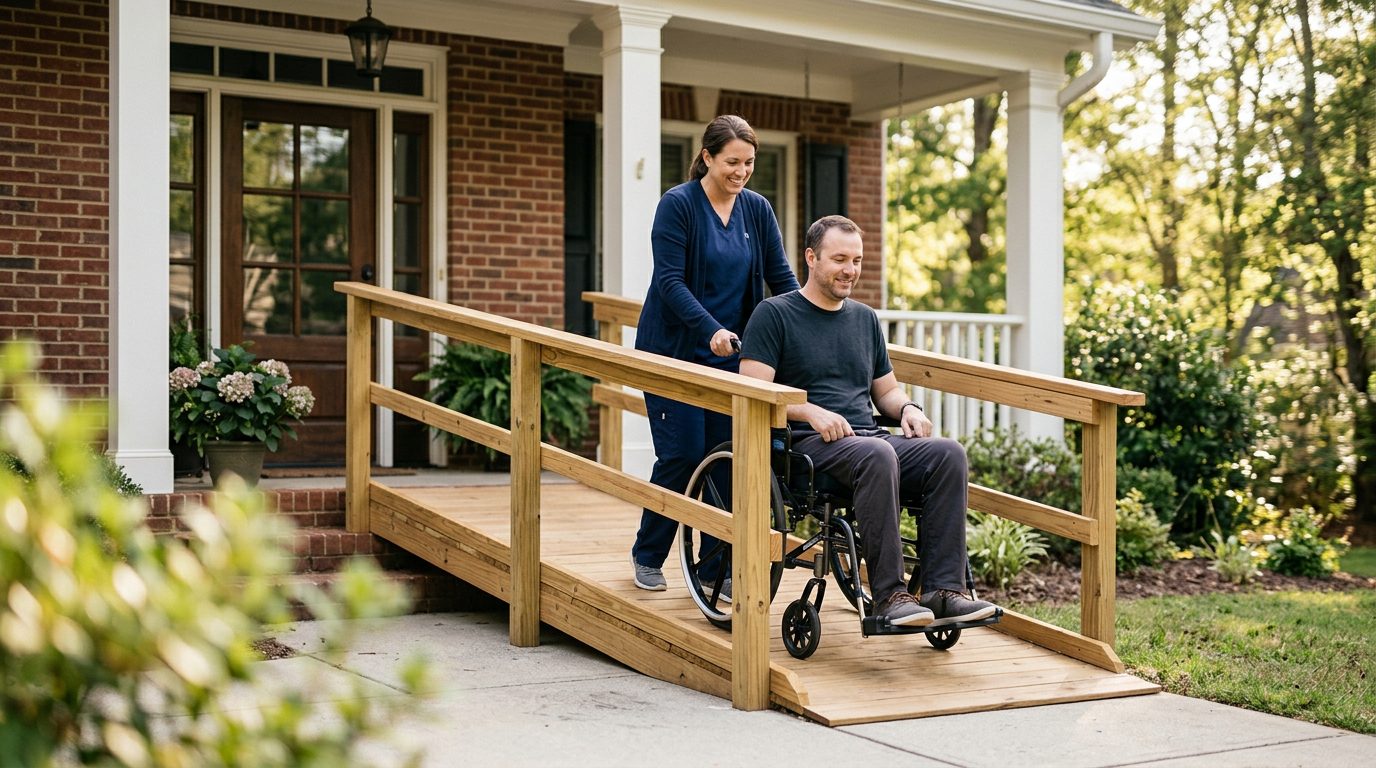
Keep a simple daily journal. Write down pain, limits, the help you need from family, and activities you can no longer do. Home changes such as ramps or bathroom modifications are part of the record of needs. A spouse may also have a related claim, so keep notes on how the injury affects the household.
Georgia Deadlines and Fault Rules to Know Early
Georgia generally gives two years to bring an action for injuries to the person, under O.C.G.A. § 9-3-33. That same section gives four years for actions involving loss of consortium.
Georgia also uses a modified comparative fault rule. Under O.C.G.A. § 51-12-33, a judge reduces damages in proportion to the injured person’s share of fault. A plaintiff who is 50 percent or more responsible cannot recover damages. How this applies depends on the facts of each case.
Some claims have shorter, separate steps. Rideshare crashes raise insurance questions under O.C.G.A. § 33-1-24. Review timing early. Our guides on catastrophic injuries in Georgia cover more background.
Not sure what your next step is?
Talk it through with our team — the first consultation is free, confidential, and carries no obligation.

Talking With Our Lawyers About Your Next Step
If you are still deciding whether to pursue a claim, you don’t have to decide alone. You may be sitting at a hospital bedside, managing a parent’s care, or handling insurance calls between shifts. Our team at Slam Dunk Attorney can talk through the accident, the injury, and the deadlines with you.
Our first consultation is free and confidential, with no obligation to continue. Contact our team to ask for a free case review.
Frequently Asked Questions
What should I do first after a spinal cord injury in an accident in Georgia?
Get medical care right away, and keep every record from that point on.
How long do I have to file a claim in Georgia?
Georgia generally gives two years for injury actions under O.C.G.A. § 9-3-33. Loss of consortium actions have four years.
Can I recover anything if I was partly at fault?
Georgia reduces damages by your share of fault, under O.C.G.A. § 51-12-33. At 50 percent or more, no damages are recoverable.
Do I have to give a recorded statement to an insurer?
You can ask for the adjuster’s details and say you are still gathering information first.
Responsible lawyer:
Peter F. Jaraysi, Slam Dunk Attorney, Duluth, Georgia. Contact details are on our contact page. This page is general information, not legal advice.
Four Steps to Take Right Away
Get medical care immediately
Spinal injuries can worsen without prompt evaluation. Follow every recommended test, scan and treatment plan, even if you feel you can walk it off.
Keep every record
Save medical bills, discharge papers, prescriptions, mileage to appointments and any time missed from work. Organized records make your story easier to tell.
Document the scene
If you are able, photograph the location, vehicles, hazards, road or property conditions and any visible injuries. Collect names and contact details for witnesses.
Protect your claim
Avoid posting about the accident or your activities on social media, and be careful about what you say to insurers before you have advice.
Be Careful With Recorded Statements
Insurance adjusters often ask for a recorded statement soon after an accident. Before you give one, talk with a lawyer about what to say and what to leave out, especially when your medical condition is still unfolding.
Injuries Our Team Handles
Car, Truck and Motorcycle Crashes
Serious collisions on metro Atlanta and Georgia roads can cause spinal cord damage, paralysis and other catastrophic injuries.
Rideshare Accidents
Crashes involving Uber and Lyft vehicles can raise questions about who is responsible and which insurance applies. We help sort through them.
Premises and Short-Term Rental Injuries
Falls, structural failures and unsafe conditions at properties, including Airbnb and VRBO rentals, can lead to severe spinal injuries.
Wrongful Death
When a spinal cord injury leads to a death, families in Georgia may face difficult questions. Our team takes time to explain the options available.