
Wrongful Death Claims
What Evidence You Need for a Wrongful Death Claim in Georgia
Building a strong case starts with understanding what documentation and proof matter most. We'll walk you through it.
By Peter F. Jaraysi · Published September 29, 2026
What Evidence You Need for a Wrongful Death Claim in Georgia
When someone dies because of another person’s negligence or wrongful act, Georgia law allows certain family members to pursue a wrongful death claim. Proving that claim requires gathering specific types of evidence—medical records, accident documentation, witness statements, and financial records—that together establish both who was responsible and what the loss means to your family. This guide walks you through the evidence categories that matter, what they prove, and how to begin organizing them during an understandably difficult time.
If you're gathering information about a death caused by someone else's negligence—whether from a vehicle accident, unsafe property, or facility neglect—families in your situation reach out to discuss what evidence matters and what comes next. Talk it through with our team — the first consultation is free, confidential, and carries no obligation.
Understanding What Evidence Matters in a Georgia Wrongful Death Claim
Wrongful death claims rest on four legal elements: the defendant owed a duty of care to the deceased, the defendant breached that duty, the breach caused the death, and your family suffered damages as a result. Evidence serves two purposes: proving liability (that someone was responsible) and documenting the financial and emotional impact of the loss.
Georgia law establishes who may bring a wrongful death claim and what damages are recoverable. The evidence you gather supports each legal element. Without it, a claim cannot move forward, no matter how clear the injustice feels.
Medical and Autopsy Records
Medical records from emergency treatment and hospitalization document the deceased’s injuries, the severity of their condition, and the timeline of events leading to death. These records establish causation—the direct link between the incident and the fatal outcome.
Autopsy reports, when performed, provide the official cause of death. This is often the single most important piece of evidence in a wrongful death case. The autopsy report tells you exactly what caused the death and can directly tie it to the incident in question. Emergency room records, surgeon’s notes, and hospital discharge summaries (or final records) all contribute to the medical picture.
You can request these records directly from the hospital or medical provider. They may ask for a death certificate or proof of your relationship to the deceased. If records are not freely provided, an attorney can issue a subpoena to compel their release.
Accident and Incident Documentation
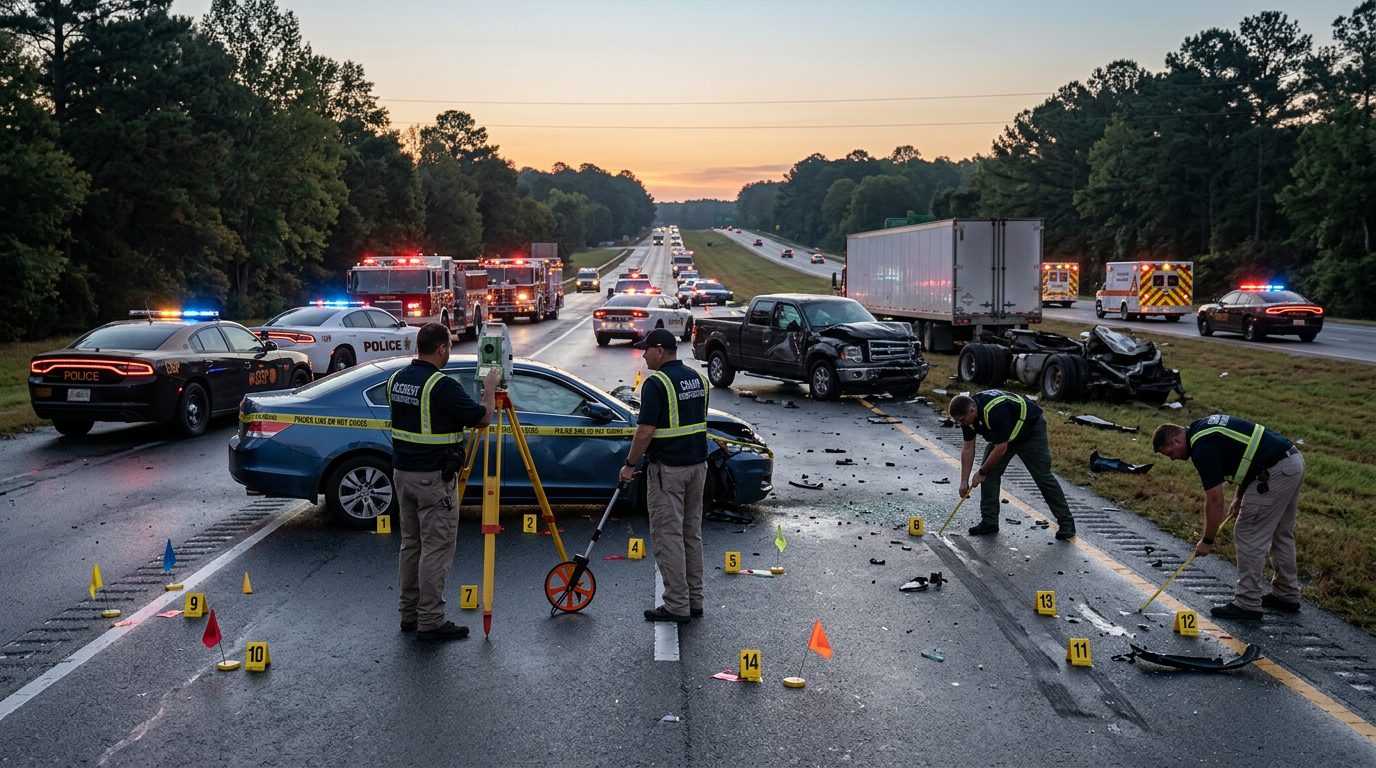
Police reports for vehicle accidents, pedestrian incidents, and some property-related events contain officer observations, preliminary findings, and witness statements taken at the scene. These reports are foundational to proving how the incident occurred and often include the officer’s assessment of fault or violation of traffic laws.
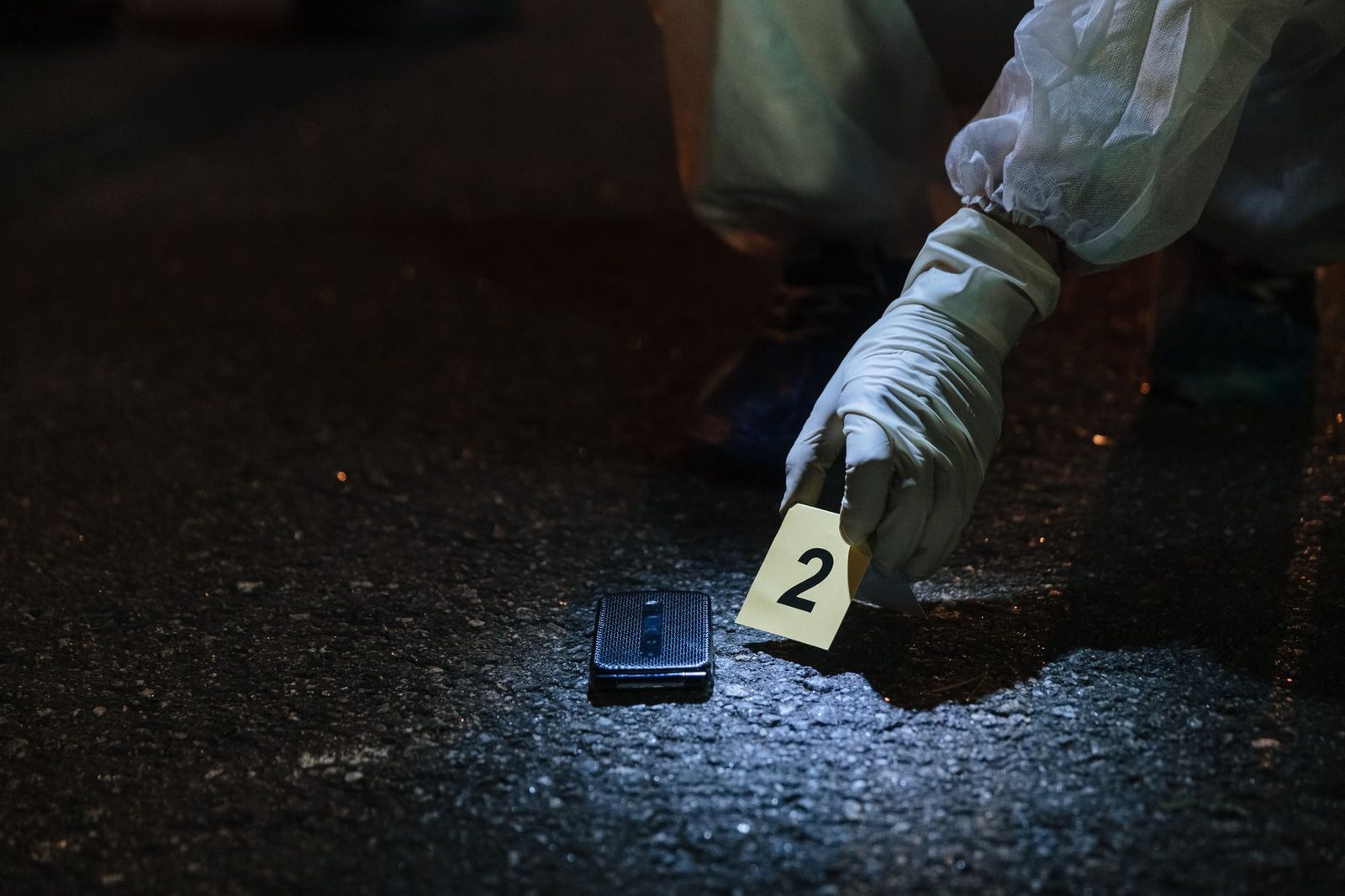
Scene photographs or video footage—whether from police body cameras, traffic cameras, or bystanders—show the conditions at the time of the incident. For property-related deaths (slip-and-fall, negligent security, nursing home incidents), incident reports filed by the property owner or facility document what happened and when.
Maintenance records, safety logs, and inspection reports can show whether a property owner or facility knew of a hazard and failed to address it. These records are powerful evidence of negligence.
You can obtain police reports through the law enforcement agency that responded to the incident. For property-related incidents, you may need to request incident reports directly from the business or facility, or an attorney can subpoena them during the discovery process.
Witness Statements and Testimony
Eyewitness accounts of how the accident or incident occurred are critical. People who saw the defendant’s conduct, the dangerous condition, or the moment of impact can testify to what they observed. Their statements, recorded early and preserved, become more valuable as time passes and memories fade.
Expert witnesses—accident reconstructionists, medical experts, safety specialists—analyze evidence and provide opinions on causation and liability. An accident reconstructionist, for example, can explain how a vehicle collision occurred based on damage patterns and road conditions. A medical expert can explain how the injuries caused the death.
Recorded statements or depositions taken during investigation or discovery preserve witness testimony and lock in details before they’re forgotten.
Begin by writing down the names and contact information of anyone who witnessed the incident. If you’re able to speak with them while memories are fresh, do so—but written notes are better than relying on memory later.
Financial and Economic Records
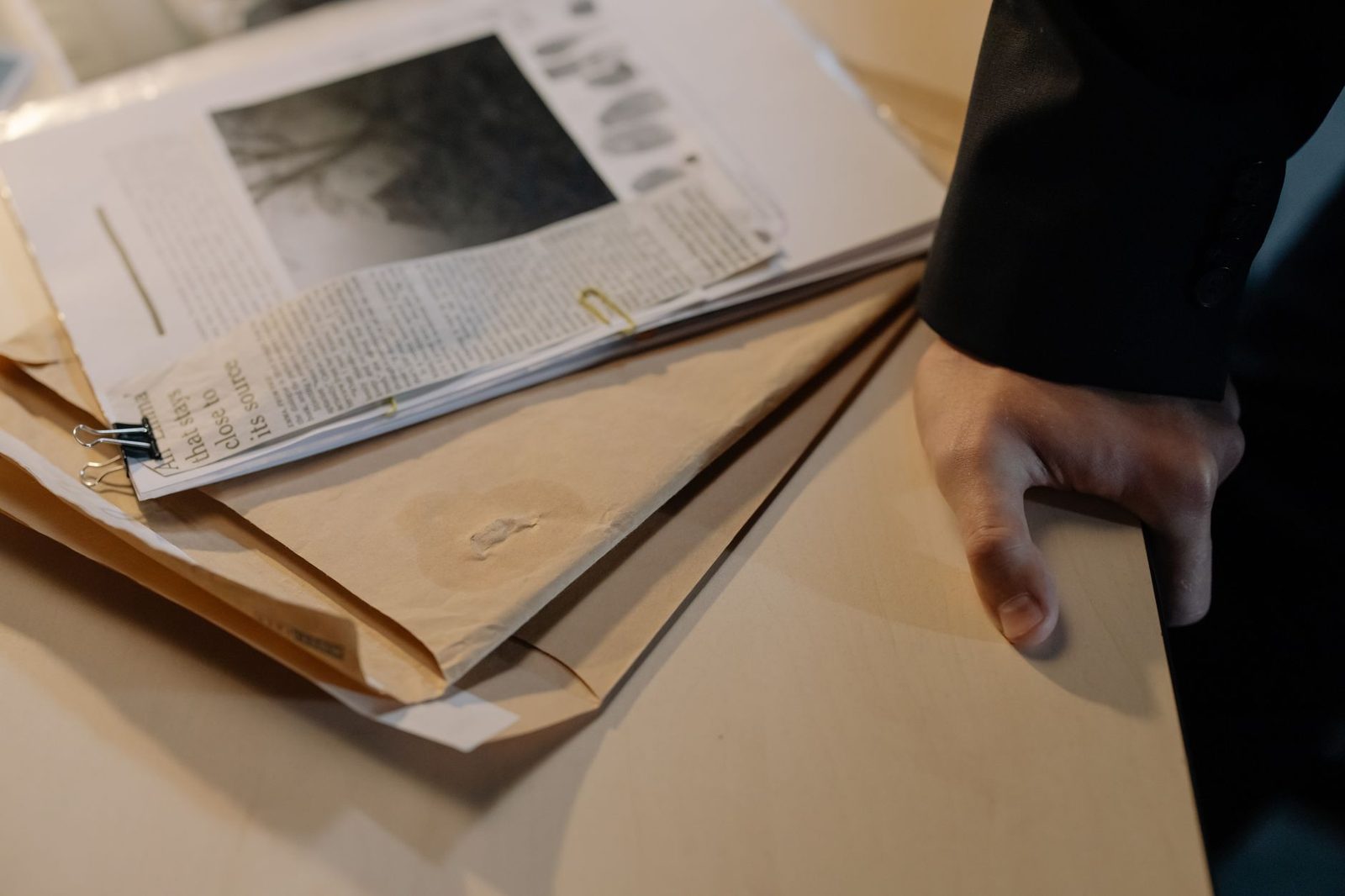
Pay stubs, tax returns, and employment records show the deceased’s income and earning capacity. These documents directly support the economic damages your family can recover—the financial support the deceased would have provided.
Medical bills and funeral expenses incurred as a result of the death are recoverable damages. Household expense records—utility bills, grocery receipts, insurance statements—show the financial support the deceased provided to surviving family members.
Receipts and documentation of out-of-pocket costs related to the incident or the death should be kept organized. These costs add up quickly and are part of your claim.
Gather these records as you’re able. An attorney can help you calculate the full scope of economic damages based on the deceased’s age, health, and earning history.
Not sure what your next step is?
Talk it through with our team — the first consultation is free, confidential, and carries no obligation.
Evidence of Non-Economic Damages
Non-economic damages—loss of companionship, emotional suffering, loss of parental guidance, loss of consortium—are harder to quantify but no less real. Personal documents, photographs, and communications that illustrate the relationship between the deceased and surviving family members help a jury understand what was lost.
Records of the deceased’s role in the family—caregiver, provider, parent, grandparent—and the impact of their absence matter. Testimony from family members about the emotional and psychological impact of the loss is important to the full value of a wrongful death claim.
These are deeply personal materials. You don’t need to organize them formally yet; simply preserve them. An attorney will help you present them in a way that honors your loss while supporting your claim.
Evidence of the Defendant’s Negligence or Wrongful Conduct
Evidence that the defendant violated safety regulations, building codes, or industry standards strengthens a negligence claim. Prior complaints, incident reports, or warnings about the same hazard or dangerous condition show that the defendant knew of the risk and failed to protect.
Failure to maintain equipment, property, or security measures—documented through inspection records, maintenance logs, or expert testimony—demonstrates breach of duty. Evidence of the defendant’s knowledge of the risk and failure to warn or protect is powerful.
For example, in a nursing home case, prior complaints about inadequate staffing or medication errors, combined with the facility’s failure to address them, support a negligence claim. In a vehicle accident case, evidence that the defendant was speeding, distracted, or driving under the influence establishes breach of duty.
How to Begin Gathering Evidence
Start by requesting records directly from hospitals, medical providers, and emergency services. Call the hospital’s medical records department and explain that you need records related to the deceased’s treatment. Be prepared to provide the deceased’s full name, date of birth, and dates of treatment.
Obtain the police report through the relevant law enforcement agency—the city or county police department, sheriff’s office, or Georgia State Patrol. Most agencies allow you to request reports online or in person.
If the scene is still accessible and safe to do so, photograph or document it yourself. Take wide shots and close-ups of any hazards, damage, or relevant conditions. Write down the date and time.
Write down the names and contact information of anyone who witnessed the incident. If possible, ask them to write a brief account of what they saw while it’s fresh in their minds.
Preserve any physical evidence—damaged clothing, equipment, or items involved in the incident. Store these safely and don’t alter them.
Keep organized records of all expenses and communications related to the death and your family’s loss. A simple folder or spreadsheet helps you track medical bills, funeral expenses, travel costs, and other out-of-pocket expenses.
Why Professional Investigation Matters
An attorney can issue subpoenas to obtain records that may not be freely available to your family. Medical providers, employers, and businesses often respond more readily to legal process than to family requests.
Investigators can interview witnesses professionally, document the scene with forensic photography, and identify additional evidence you might not know to look for. They understand what questions to ask and what documents to request.
Expert witnesses can be retained to analyze evidence and provide opinions on causation and liability. These experts lend credibility and clarity to complex technical or medical issues.
Early investigation preserves evidence and witness memories before details fade or records are lost. The sooner investigation begins, the better the outcome.
Frequently Asked Questions
What if I can’t find all the evidence on my own?
An attorney has the legal authority to subpoena records, compel witness testimony, and retain experts. You don’t have to gather everything yourself.
How long do I have to collect evidence?
Georgia has a statute of limitations for wrongful death claims. The sooner you begin, the better—evidence and memories deteriorate over time.
Do I need to hire an investigator?
An attorney can determine whether a private investigator is necessary based on the facts of your case and what evidence is already available.
Can I use social media posts or personal photos as evidence?
Yes, personal documents and communications can support both liability and damages, though an attorney will advise on how to present them appropriately.
If you’re working through the loss of someone who died because of another person’s negligence—whether in a vehicle accident, from an unsafe property condition, or due to facility neglect—you’re facing questions about what evidence matters and whether you have a claim. Families in your situation reach out regularly to understand what comes next. We’re here to listen and help you sort through what you’ve gathered so far.
Key Evidence Categories
Medical and Autopsy Records
Documentation of the injury or illness that caused death, including hospital records, emergency room reports, and the official autopsy or medical examiner's findings. These establish the direct cause of death.
Accident or Incident Reports
Police reports, incident reports, workplace safety logs, or property owner records that document how the death occurred. These create an official record of what happened.
Witness Statements and Testimony
Accounts from people who saw the incident or have knowledge of the circumstances. Written statements, recorded interviews, or deposition testimony can be powerful evidence of negligence.
Financial and Family Records
Tax returns, pay stubs, bank statements, and family documents that show the deceased's earnings, support obligations, and household contributions. These help calculate the family's actual losses.
Why Professional Help Matters
Access to Records You Can't Get Alone
An attorney has the legal authority to subpoena medical records, employment files, and other documents that aren't available to the public. This saves time and uncovers evidence you might not find on your own.
Expert Witness Coordination
We can retain medical experts, accident reconstructionists, and financial specialists to analyze evidence and testify about causation, negligence, and damages. Their opinions strengthen your claim.
Protection of Your Rights
Wrongful death law in Georgia has specific rules about who can file, what damages are recoverable, and how much time you have. We ensure your claim meets all legal requirements.
Timely Evidence Preservation
The sooner an investigation begins, the better. Memories fade, physical evidence disappears, and witnesses become harder to locate. Early action protects your case.
Don't Wait to Gather Evidence
Georgia law sets a deadline for filing a wrongful death claim. The longer you wait, the harder it becomes to locate witnesses, preserve evidence, and build a complete picture of what happened. An attorney can begin the investigation immediately and ensure nothing is lost or overlooked.
Common Questions About Evidence
What if I can't find all the evidence on my own?
You don't have to. An attorney has the legal authority to subpoena records, compel witness testimony, and retain experts. We handle the investigation so you can focus on your family.
How do I prove negligence?
You must show that the person or entity responsible had a duty of care, breached that duty, and that breach caused the death. Evidence like safety violations, prior complaints, or expert analysis can demonstrate negligence.
What damages can a wrongful death claim recover?
Georgia law allows recovery for the deceased's lost earnings, medical and funeral expenses, loss of companionship, and other measurable harms to the family. Financial records and expert testimony help quantify these losses.
Who can file a wrongful death claim in Georgia?
Generally, the spouse, children, or parents of the deceased can file. An attorney will determine who has standing and how to structure the claim for your family's situation.