
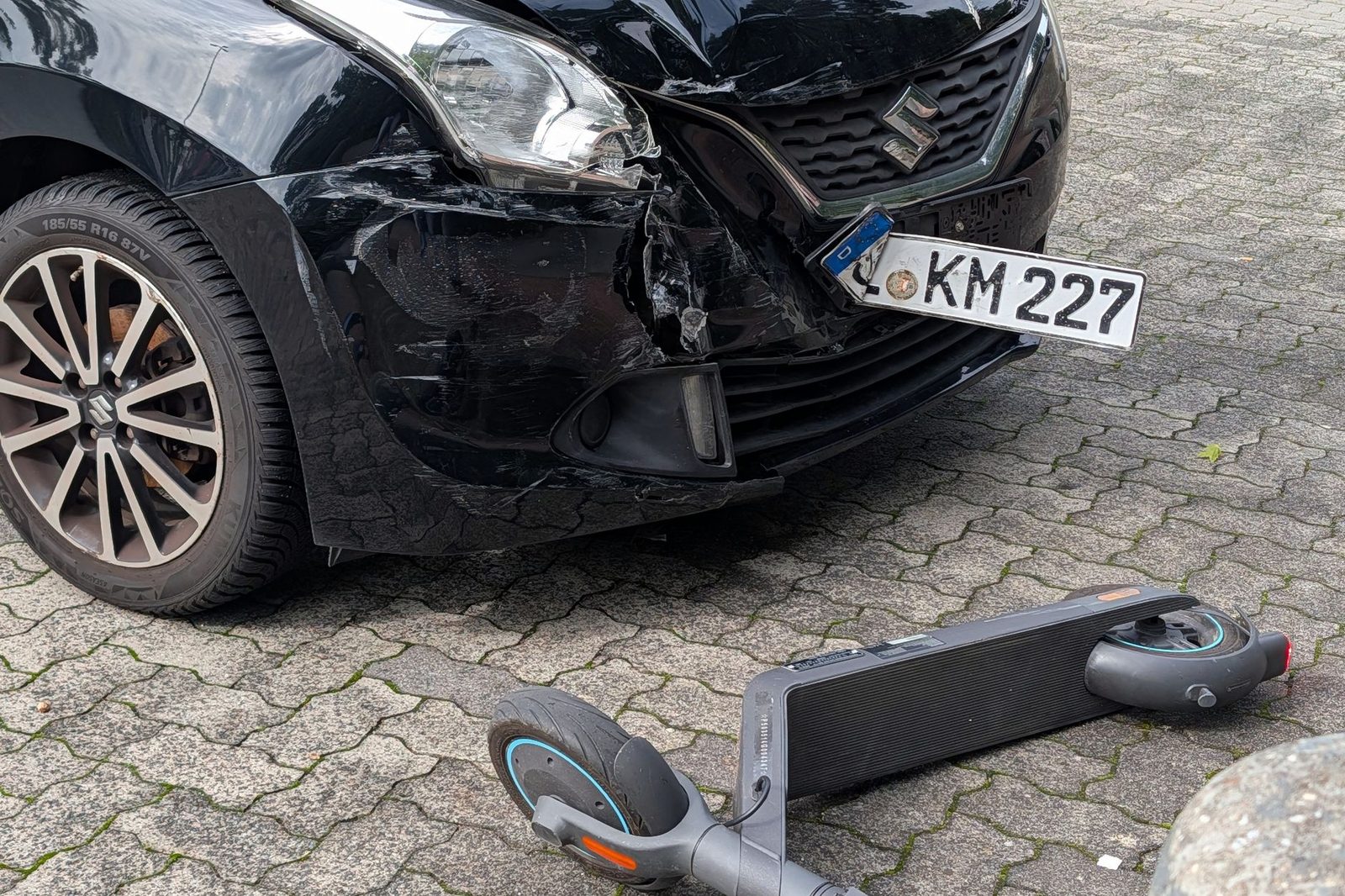
Car Accident Claims in Georgia
Diminished Value Claims: Recovering What Your Vehicle Lost
After a collision, your car's market value drops—even after repairs. Learn whether you can recover that loss in Georgia.
By Peter F. Jaraysi · Published September 16, 2026
What Is Diminished Value After a Georgia Car Accident? A Guide to Your Claim
When your car is repaired after an accident, it may be worth less on the market than it was before—even though the repairs are complete and professional. That loss in value is called diminished value, and Georgia law recognizes your right to recover it.
Diminished value is the difference between what your vehicle was worth before the accident and what it’s worth after repair. It exists because buyers perceive cars with accident histories as less reliable or desirable, regardless of repair quality. Understanding whether you have a diminished value claim, and how to pursue it, can make a real difference in your recovery.
If your repaired vehicle is worth less than it was before the accident, you may have a claim—and many people in your situation reach out to discuss their options. Talk it through with our team — the first consultation is free, confidential, and carries no obligation.

What Is Diminished Value?
Diminished value is the gap between your vehicle’s market value before an accident and its market value after professional repair, even when repairs restore it to pre-accident condition.
This happens because potential buyers typically pay less for a car once they learn it’s been in an accident. A vehicle worth $20,000 before an accident might be worth $17,500 after expert repairs—a $2,500 loss that has nothing to do with repair quality and everything to do with buyer perception and resale risk.
Diminished value is not the same as repair costs. Repair costs cover the price of fixing the damage. Diminished value is the separate, lasting reduction in what the vehicle can be sold for. You may recover both: repair costs from the at-fault driver’s liability insurance, and diminished value as an additional claim.
Georgia’s Diminished Value Law
Georgia recognizes diminished value claims under O.C.G.A. § 34-34-3.1, the state’s Diminished Value Act. This law allows vehicle owners to recover the loss in market value when certain conditions are met.
To qualify for a diminished value claim in Georgia, three things must be true:
- The vehicle must be repairable. It cannot be a total loss.
- Repairs must restore it to pre-accident condition. The vehicle must be professionally repaired and safe to drive.
- The vehicle must lose market value despite those repairs. The accident history must demonstrably reduce what the vehicle is worth.
Georgia law permits two types of diminished value claims: third-party claims (against the at-fault driver’s liability insurance) and first-party claims (under your own collision coverage in limited situations, such as when the at-fault driver is uninsured or underinsured).
When You Can Claim Diminished Value in Georgia
Third-party claims are the most common. If another driver caused the accident, you may file a diminished value claim against their liability insurance. You don’t need special insurance coverage to pursue this—the at-fault driver’s policy should cover it.
First-party claims are more limited. If you have collision coverage on your own policy, you may file a first-party diminished value claim under certain conditions—typically when the at-fault driver is uninsured, underinsured, or when your own policy explicitly allows it. Check your policy or ask your insurance agent about first-party coverage in your state.
Timing matters. Diminished value claims should be filed within a reasonable timeframe after the accident and repair. The longer you wait, the harder it becomes to establish the connection between the accident and the value loss. Most claims are filed within weeks or a few months of repair completion.
Vehicle age and mileage affect eligibility too. A newer vehicle with moderate accident history typically has a stronger diminished value claim than an older vehicle with high mileage, because the accident history has proportionally more impact on a newer car’s resale value.
How Diminished Value Is Calculated
Insurance companies and courts use several methods to calculate diminished value. The most common is the 17c formula, a percentage-based approach that applies a percentage of the vehicle’s pre-accident fair market value to estimate the loss.
The 17c formula typically applies 10–17% of the pre-accident fair market value, adjusted downward for mileage and vehicle condition. For example, if your car was worth $20,000 before the accident and had moderate mileage, an insurer might apply 12% to estimate diminished value at $2,400. A vehicle with higher mileage might be adjusted to 10%, yielding $2,000.
Comparable sales analysis is another method. An appraiser compares your repaired vehicle to similar vehicles without accident history, looking at actual market listings and recent sales to establish the post-repair value gap.
Professional appraisals provide independent, detailed assessments. An appraiser inspects your vehicle, reviews repair records, and researches comparable sales to determine pre-accident and post-accident fair market values. This creates a strong foundation for your claim.
Steps to File a Diminished Value Claim in Georgia
1. Document the accident. Obtain the police report, take photos of the damage, and collect the other driver’s insurance information. These records establish that an accident occurred and provide baseline documentation.
2. Get repair estimates and invoices. Keep detailed records of all repair work, parts, and labor costs. These documents prove the extent of damage and that professional repairs were completed.
3. Obtain vehicle valuation. Use resources like NADA Guides or Kelley Blue Book to establish your vehicle’s pre-accident fair market value. Then research post-repair value by looking at comparable vehicles without accident history. If values are disputed, hire an independent appraiser.
4. Notify the at-fault driver’s insurance. File a third-party claim and clearly include diminished value in your demand. Provide repair records, photos, and valuation documentation.
5. Submit supporting documentation. Include your appraisal (if you obtained one), repair invoices, and valuation reports. The more evidence you provide, the stronger your claim.
6. Negotiate or escalate. If the insurance company denies or significantly undervalues your claim, you may need to pursue further action, including a demand letter or legal representation.
Not sure what your next step is?
Talk it through with our team — the first consultation is free, confidential, and carries no obligation.
Common Challenges in Diminished Value Claims
Insurance companies frequently resist diminished value claims. They may argue that accident history didn’t materially affect your vehicle’s value, or that the 17c formula doesn’t apply to your situation. This places the burden on you to prove actual value loss.
Valuation disputes are common. You and the insurer may disagree on what your vehicle was worth before the accident or what it’s worth after repair. Independent appraisals help resolve these disagreements, but they cost money upfront.
Mileage and condition factors reduce diminished value recovery on older vehicles. A 10-year-old car with 120,000 miles has less to lose in resale value from accident history than a 3-year-old car with 40,000 miles. Insurers use this to argue for lower diminished value amounts.
Burden of proof rests with you. You must demonstrate that the accident history actually reduced the vehicle’s market value. Generic statements won’t work—you need evidence: comparable sales data, appraisals, or market research showing the actual gap.
When to Seek Legal Guidance
Consider reaching out if:
- The insurance company denies your diminished value claim without reasonable explanation.
- You disagree with the insurer’s valuation of your vehicle before or after the accident.
- The repair costs are substantial and diminished value recovery could be significant.
- You are unsure whether your situation qualifies for a diminished value claim under Georgia law.
- You are navigating both repair coverage and diminished value simultaneously and need clarity on your rights.

Frequently Asked Questions
Can I claim diminished value if the other driver was at fault?
Yes. If another driver caused the accident, you may file a third-party diminished value claim against their liability insurance.
How much diminished value can I recover?
It depends on your vehicle’s pre-accident value, mileage, age, and the extent of damage. The 17c formula typically estimates 10–17% of pre-accident value, but actual recovery varies by case.
Does Georgia allow first-party diminished value claims?
Yes, in limited circumstances—typically when the at-fault driver is uninsured or underinsured, or when your policy explicitly allows it. Check your policy or ask your insurer.
What if the insurance company denies my claim?
If you believe the denial is unreasonable, you may pursue further action, including a demand letter, negotiation, or legal representation.
How long do I have to file a diminished value claim?
File within a reasonable timeframe after repair—typically within weeks or a few months. The sooner you act, the easier it is to establish the connection between the accident and value loss.
If you’ve had your car repaired after an accident in Georgia and you’re wondering whether the reduced market value is something you can recover, you’re not alone—people in your exact situation reach out regularly to understand their options and next steps. We’re here to listen and help you figure out what applies to your claim.
Request a free case review to discuss your diminished value question with our team.
Georgia Allows Diminished Value Claims
Unlike many states, Georgia permits you to recover diminished value—the difference between your vehicle's pre-accident value and its value after repair—if another driver caused the accident. This is separate from your repair costs and other damages.
Key Factors That Affect Your Claim
Vehicle Value & Age
Newer vehicles and those with higher pre-accident values typically support larger diminished value claims. Older vehicles may have lower recoverable amounts.
Mileage & Condition
Your car's mileage and overall condition before the accident influence the calculation. Well-maintained vehicles often recover more.
Extent of Damage
The severity of the collision and repair costs are considered. More significant damage usually means greater diminished value.
Repair Quality
Whether repairs were completed by a certified shop and the quality of the work can affect the vehicle's residual value.
Common Questions About Diminished Value
Can I claim diminished value if the other driver was at fault?
Yes. If another driver caused the accident, you may file a third-party diminished value claim against their liability insurance.
What if I was partially at fault?
Georgia's comparative fault rules apply (O.C.G.A. § 51-12-33; Quynn v. Hulsey, 310 Ga. 473 (2020)). Your recovery may be reduced based on your percentage of fault, if any (O.C.G.A. § 51-12-33; Quynn v. Hulsey, 310 Ga. 473 (2020)).
How is diminished value calculated?
Methods vary. Georgia courts and insurers often consider the vehicle's pre-accident market value, repair costs, and the 17c formula (which typically estimates 10–17% of repair costs, adjusted for mileage and condition).
Do I need to prove diminished value?
Yes. You'll need documentation of your vehicle's pre-accident value, repair invoices, and often an independent appraisal or valuation expert to support your claim.
Why Work With Slam Dunk Attorney on Your Claim
Focused on Your Recovery
We focus exclusively on personal injury and accident claims across Georgia. Your diminished value claim is part of our comprehensive approach to making you whole.
Thorough Documentation
We help gather and organize the evidence needed—vehicle history, repair records, appraisals—to build a strong diminished value claim.
Clear Communication
We explain the process in plain language, so you understand your options and what to expect at each step.
Timely Action
We work promptly to file claims and negotiate with insurers, protecting your rights and maximizing your recovery window.
Ready to Discuss Your Diminished Value Claim?
Related practice areas
- Dog Bite Landlord Liability Lawyer Georgia | Slam Dunk