
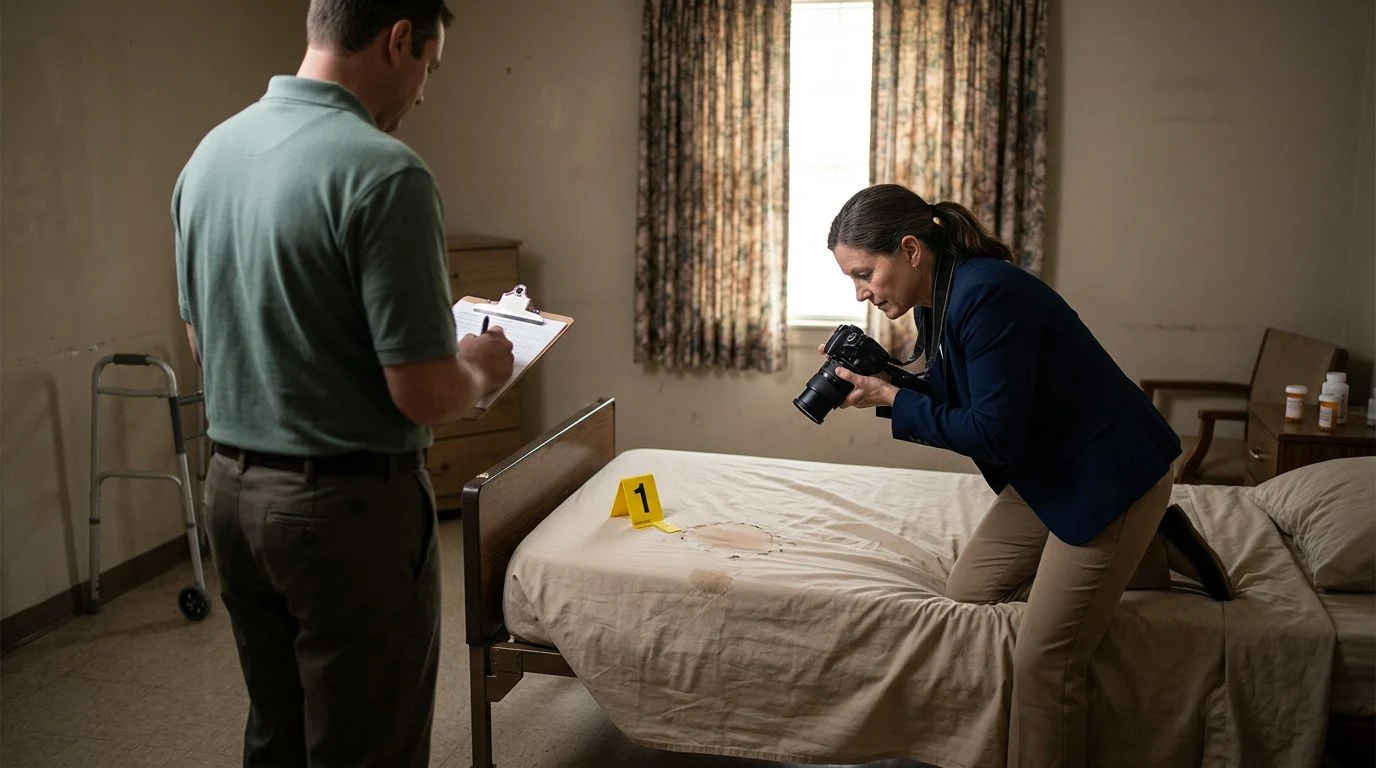
Nursing Home Abuse | Duluth, Georgia
Bedsores Are Not an Unavoidable Part of Nursing Home Care
Peter F. Jaraysi and our team at Slam Dunk Attorney help Georgia families whose loved ones were harmed by neglect in a nursing home or care facility.
By Peter F. Jaraysi · Published November 13, 2026
A bedsore attorney in Georgia helps families find out whether a pressure injury in a nursing home or care facility came from neglect. A bedsore alone does not prove neglect. The real question is whether the facility gave the care the resident was owed.
Slam Dunk Attorney is a personal injury firm based in Duluth, Georgia. We represent families in nursing home abuse and neglect matters across metro Atlanta and the state. This page explains what a bedsore is, which signs matter, what a claim can cover and what happens after you reach out.
What a Bedsore Is and Who This Page Is For
A bedsore is damage to the skin and the tissue under it. Doctors also call it a pressure injury or pressure ulcer. It forms when pressure stays on one area too long, usually over bony spots like the tailbone, hips, heels and shoulder blades.
Families often notice a red area that doesn’t fade, or an open sore that keeps growing. Wound care staff describe each sore by stage. Deeper stages mean more tissue damage. A doctor or wound nurse makes that call, not a family member.
This page is for:
- Adult children, spouses and relatives of nursing home or long-term care residents
- Residents who were hurt while living in a care facility
- Families of residents who died after a preventable pressure injury
Our claims focus on nursing homes and care facilities in Georgia.
If your loved one's sore is getting worse in a Georgia care facility, you don't have to decide the next step alone. Request your free, confidential consultation with our team today. Talk it through with our team — the first consultation is free, confidential, and carries no obligation.
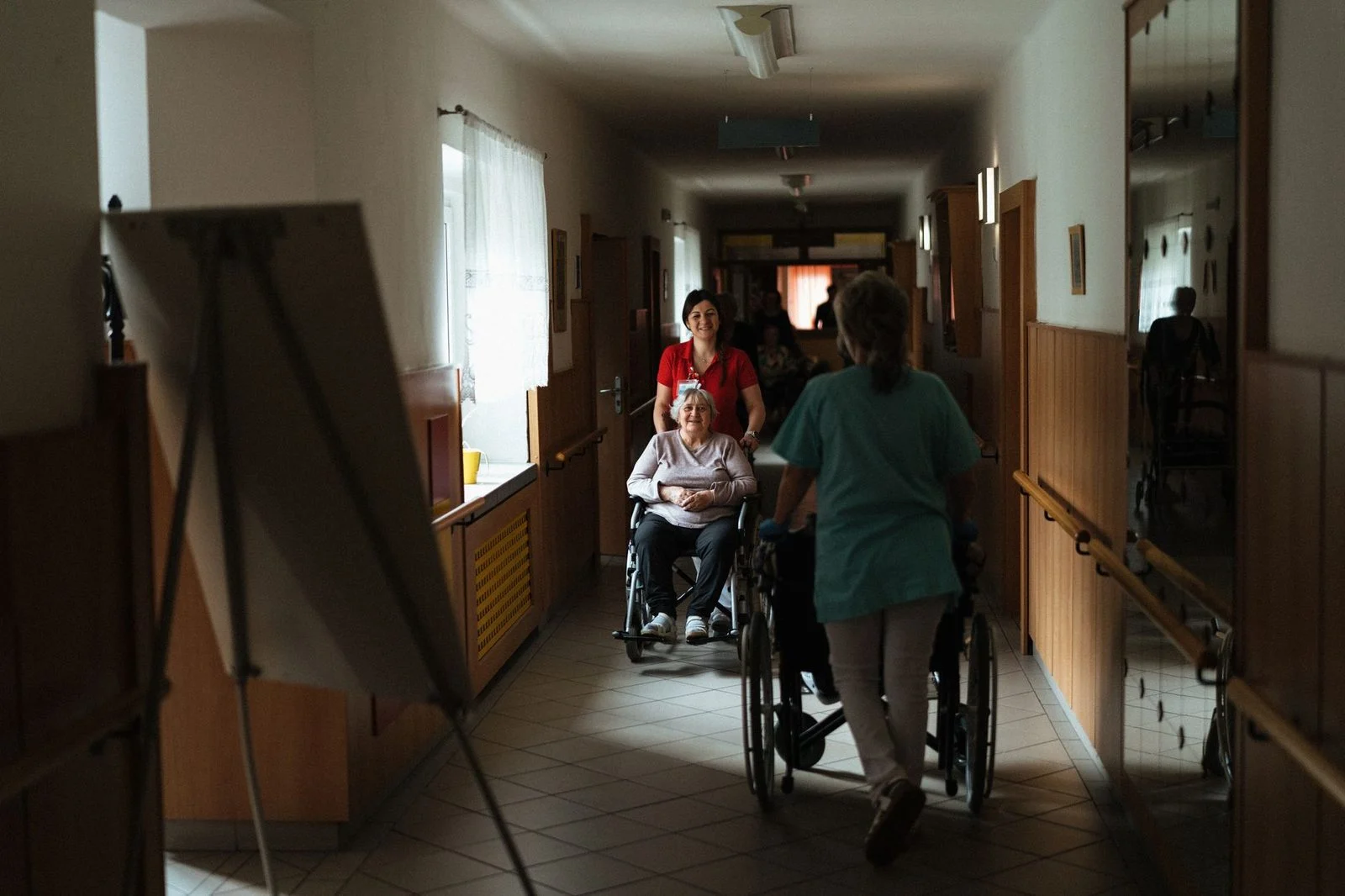
When a Bedsore Can Point to Nursing Home Neglect
A bedsore that appears after admission, or gets worse despite treatment, is a warning sign worth acting on. Pressure injuries are commonly tied to routine care like repositioning, skin checks, hydration, nutrition and proper cushioning.
Watch for these signs:
- A sore that shows up after the resident moved in
- A sore that spreads, deepens or worsens quickly
- Odor, drainage or fever
- Bruising or marks no one can explain
Georgia law says each resident shall receive care that is adequate and appropriate. That care must be given with reasonable care and skill, in compliance with applicable laws and regulations, without discrimination in quality based on who pays, with respect for the resident’s dignity and privacy, and with the goal of the resident returning home or to a less restrictive setting. O.C.G.A. § 31-8-108
Families also have the right to be told when a resident’s health changes in a significant way, if the resident or guardian chooses them: the resident or guardian is entitled to have any significant change in the resident’s health status reported to persons of his choice by the facility within a reasonable time. O.C.G.A. § 31-8-108 Each resident shall receive care, treatment, and services which are adequate and appropriate. The key question is whether the facility followed the resident’s care plan and reasonable standards.
What a Bedsore Claim Can Cover
A bedsore claim can seek money for medical bills, extra care needs and the harm the resident has suffered. types of compensation O.C.G.A. § 51-12-2
Possible categories include:
- Wound care, hospital stays, surgery and medicine
- Home nursing, rehabilitation or a move to a higher level of care
- Pain, suffering and loss of quality of life
No value can be promised at the start. Each claim depends on the records, the severity of the injury and the resident’s situation.
Evidence That Matters in a Bedsore Case
Records usually decide how a bedsore case is built. Georgia law gives a resident the right to access and copy medical records, unless medically contraindicated. The facility may charge a copying fee, but it cannot exceed actual cost. O.C.G.A. § 31-8-108
Useful items to gather:
- Care plans and repositioning or turning logs
- Nursing notes and change-in-condition reports
- Wound measurements and staging notes
- Hospital and wound clinic reports
- Dated photographs and notes from your visits
- Transfer and incident reports
Dates matter most. A chart can show what care was ordered and whether it was given. If a care plan called for regular turning but the logs show gaps, those gaps are facts worth examining. Write down what you see and when, and keep it with the papers you collect.
How a Bedsore Claim Works, Step by Step
A bedsore claim usually moves through five steps. Timing varies from case to case.
- Free first consultation. You share what you have seen and any papers you hold. The consultation is free and confidential, with no obligation to continue.
- Records request. The firm requests the medical and facility records and builds a timeline.
- Review. We compare the chart with the care plan and with what the resident needed.
- Claim. If the records support it, we present the claim to the facility and its insurer.
- Court, if needed. If a fair resolution isn’t reached, the claim may be filed in court.
Deadlines matter. Georgia generally requires a personal injury lawsuit to be filed within two years. O.C.G.A. § 9-3-33 Georgia generally requires a personal injury lawsuit to be filed within two years after the right of action accrues, except for injuries to the reputation, which must be brought within one year after the right of action accrues, and except for loss of consortium actions, which must be brought within four years after the right of action accrues. Missing that deadline can bar a claim, so early review helps.
Why Families Work With Slam Dunk Attorney
Slam Dunk Attorney is a personal injury firm based in Duluth, Georgia. It represents people hurt in nursing home abuse and neglect, catastrophic injury, wrongful death and other injury cases across metro Atlanta and Georgia.
Peter F. Jaraysi is the responsible lawyer for this page. Brian D. Wright is also a lawyer with the firm. Our team, including assistants and office staff, helps families manage records and scheduling and keeps a direct point of contact.
Our approach is simple. We build the case from the resident’s own records, dates and care plan, not from general claims about facilities. When you call, we’ll ask for the resident’s name, the facility name and any papers you already have.
We serve families in Lawrenceville, Johns Creek, Alpharetta, Marietta, Norcross, Kennesaw and Dunwoody, and across Georgia.
Not sure what your next step is?
Talk it through with our team — the first consultation is free, confidential, and carries no obligation.
Common Questions About Bedsore Claims
What is a bedsore attorney?
A bedsore attorney handles nursing home neglect and pressure injury claims for residents and their families. Lawyers in this area are often described as nursing home neglect attorneys.
Can a nursing home resident bring a claim?
Yes. Georgia law gives a person harmed by a facility’s failure to provide a resident right a cause of action for damages. O.C.G.A. § 31-8-126
Do I have to file a state complaint first?
No. Georgia law says failing to use administrative relief does not stop a resident from suing. O.C.G.A. § 31-8-126
What should I avoid saying to an insurer or facility?
Send insurer and facility calls to your lawyer. Avoid guessing about medical causes, and keep notes of every call and visit.
What does the first consultation cover?
It is a free, confidential review of the resident’s condition, your records and your options.

Talk With Slam Dunk Attorney About the Sore You Are Worried About
If your parent’s sore is worsening and you’re deciding whether to act now, you don’t have to work out the next step alone. Reach out to our team for a free case review, and bring whatever papers you have.
This page is general information, not legal advice. Peter F. Jaraysi is the responsible lawyer for this page at Slam Dunk Attorney, based in Duluth, Georgia. Contact the firm through our contact page.
Warning Signs Families Should Not Ignore
Sores That Grow or Change
A pressure sore that worsens, spreads, or develops an odor or drainage needs prompt medical attention. Write down when you first noticed it.
Unexplained Injuries or Falls
Bruises, fractures, or falls that the facility cannot clearly explain deserve a closer look at the resident's records and care plan.
Weight Loss or Dehydration
Changes in eating, drinking, or weight can signal that a resident is not receiving the attention and assistance they need.
Slow or Missing Responses
Call lights that go unanswered and repositioning that is skipped or rushed are worth documenting with dates and times.
How We Work With Your Family
Listening First
We take time to understand what happened to your loved one, in your own words and at your own pace.
Organizing the Records
We help gather medical charts, care notes, and facility documents so the facts of the case are clear.
Compassionate Communication
Our team keeps families informed in plain language, so you always know where things stand.
Advocacy for Residents
We stand up for residents and families who are dealing with a facility that failed to protect them.
Act Quickly When You Notice a Problem
If you see a new or worsening sore on a loved one, ask the facility for copies of their care records, keep notes of what you observe, and take photos where appropriate. Early action helps protect your loved one and preserves important evidence.